
Why MEI Candidates Fail the Risk Management Task (and How to Ace It)

Achieving an MEI certification is a significant milestone in any aviator's professional journey. It represents a transition from a pilot who can manage multiple engines to an instructor who can instill that same mastery in others. However, the Multi-Engine Instructor checkride is notoriously rigorous. One area where many candidates falter is Task E of the Airman Certification Standard (ACS): Risk Management.
A Designated Pilot Examiner (DPE) is not just looking for a pilot who can fly the maneuvers; they are evaluating a candidate's ability to teach risk assessment and mitigation. Failing to demonstrate a Pilot in Command (PIC) mindset during the ground or flight portion of the evaluation, specifically regarding the identification and teaching of risks, is a primary reason for checkride failure.
The Shift from Pilot to Instructor
Most candidates approach the MEI checkride with a focus on their personal flying proficiency. While mastery of the aircraft is required, the FAA mandates that an instructor must be able to teach. In the context of risk management, this means moving beyond simply identifying a hazard. An instructor must be able to explain the "why," the "how," and the "what now" to a student.
When a candidate fails the risk management task, it is often because they treated it as a checklist to be recited rather than a dynamic process to be demonstrated. In multi-engine flight training, the stakes are higher due to the complexity of the systems and the critical nature of engine-out aerodynamics.
Common Pitfalls in Task E: Risk Management
1. Treating Risk Management as a Static Concept
Many MEI candidates memorize the PAVE (Pilot, Aircraft, enVironment, External Pressures) checklist but fail to apply it to a multi-engine scenario. For instance, identifying "density altitude" as a risk is basic. An MEI candidate must go further, explaining how high density altitude specifically impacts the multi-engine service ceiling and the aircraft’s performance during a Vmc demonstration.
2. Failure to Teach the Evaluation of Risk
Identifying a risk is only half the battle. The ACS requires the candidate to show how they would teach a student to evaluate the probability and severity of those risks. If a candidate cannot demonstrate a systematic method, such as using a Risk Assessment Matrix, the DPE will likely see a deficiency in instructional ability.
3. Lack of Systems Knowledge Application
Risk management in a multi-engine aircraft is inextricably linked to systems. If a candidate does not fully understand the multi-engine fuel cross-feed systems or the multi-engine propeller systems, they cannot effectively teach the risks associated with a failure of those components. A "surface-level" understanding is a common catalyst for failure.
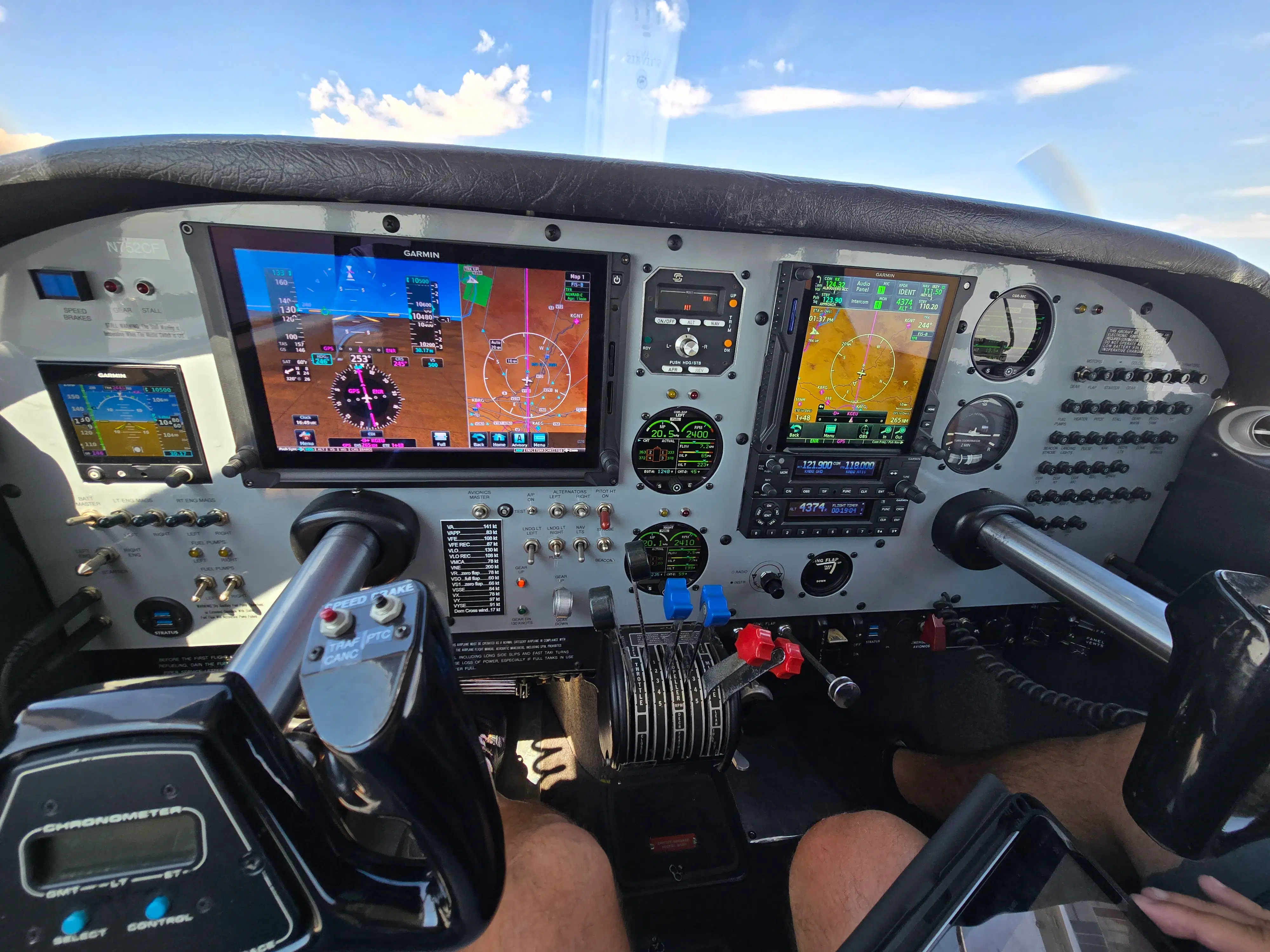
Mastering the Risk Management Task
To ace the Risk Management task, a candidate must demonstrate an integrated approach. This involves using the Airman Certification Standard as a roadmap rather than a hurdle.
Use the PAVE and CARE Models Systematically
During the checkride, verbalize your thought process. When preparing for a training flight in a high-performance trainer like the Twin Comanche (PA-30), walk through the PAVE model aloud.
Pilot: Discuss fatigue, currency, and proficiency in multi-engine operations.
Aircraft: Evaluate the status of the PA-30. Are the cowl flaps functioning? Is the combustion heater documented for use?
enVironment: Consider the runway length required for an accelerate-stop distance at current weights.
External Pressures: Discuss the pressure of the checkride itself or the desire to complete the training syllabus on a tight schedule.
Once the hazards are identified, use the CARE model (Changes, Attributes, Relationships, Extremes) to process them. This demonstrates to the DPE that you have a functional framework for managing safety.
Focus on High-Performance Scenario Training
The use of a complex aircraft like the Twin Comanche (PA-30) provides an ideal platform for demonstrating advanced risk management. Because the PA-30 is a true high-performance multi-engine aircraft, it requires the pilot to stay ahead of the airplane.
When teaching a student, an MEI must emphasize the importance of the zero side slip technique during an engine-out scenario. Failure to manage this risk leads to increased drag and decreased performance, which can be catastrophic in a real-world emergency.

The Importance of the PIC Mindset
A Designated Pilot Examiner evaluates whether a candidate possesses the maturity and judgment to be trusted with a student’s life. This is the "PIC Mindset."
During the checkride, if a scenario is presented where a risk is unacceptably high, the correct answer is to mitigate the risk or cancel the flight. Many candidates feel pressured to "perform" for the examiner and may agree to a simulated scenario that is inherently unsafe. An MEI who cannot say "no" to a hazardous situation is an MEI who has failed the risk management task.
Teaching Risk through Demonstration
One of the most effective ways to teach risk management is through purposeful demonstration. For example, when teaching ground effect, an instructor should explain the risks of premature liftoff in a multi-engine aircraft, specifically how it relates to Vmc and the ability to maintain directional control.
By connecting the theory of the forces acting on an aircraft to the practical risks of the flight, the candidate proves they are an educator, not just a pilot.
Leveraging Modern Training Tools
Preparation is the antidote to checkride anxiety. To succeed in the MEI certification process, candidates should utilize structured training programs that align with the ACS.
Ace Pilot Academy offers a comprehensive Multi-Engine Training Series designed to bridge the gap between basic multi-engine flight training and the high standards of an MEI checkride. These courses focus on the technical nuances of aircraft like the Twin Comanche, ensuring that candidates have the deep systems knowledge required to teach risk management effectively.

Strategies for the Checkride Day
Narrate Everything: Do not assume the DPE knows what you are thinking. Verbalize your risk assessment during every phase of the flight, from the pre-flight inspection to the engine shutdown.
Reference the ACS: Keep a copy of the Airman Certification Standard with you. If the DPE asks about a specific task, refer to the standards. This shows professionalism and a commitment to FAA-compliant procedures.
Be Decisive: When a simulated emergency occurs, take charge. Evaluate the risk, communicate the plan, and execute. This demonstrates the leadership qualities expected of a flight instructor.
Know Your Limitations: If you are unsure about a specific system, such as anti-ice or de-ice systems, know exactly where to find the information in the Pilot's Operating Handbook (POH). An instructor doesn't have to know everything, but they must know where to find the correct information.
Conclusion
Failing the risk management task on an MEI checkride is often a result of a lack of instructional preparation rather than a lack of flying skill. By adopting a systematic approach to hazard identification, utilizing high-performance training platforms like the PA-30, and maintaining a steadfast PIC mindset, candidates can move from being "just another pilot" to becoming a professional Multi-Engine Instructor.
The path to your MEI rating requires dedication and the right resources. Focus on your ability to transfer knowledge, and you will not only pass your checkride but also contribute to a safer aviation community.
For those ready to master the complexities of multi-engine instruction, explore the Multi-Engine Training Series at Ace Pilot Academy and take the next step in your aviation career.

Comments