
The Ultimate Guide to Your Commercial Multi-Engine Add-On: How to Prep for Success and Ace the Checkride
- Jeff Gerencser
- Apr 25
- 5 min read

Welcome to the final installment of Multi-Engine Mastery Week. After exploring V-speeds, the intricacies of the Twin Comanche, the pros of accelerated training, and time-building strategies, we have arrived at the ultimate objective: your Commercial Multi-Engine Add-On.
Adding a multi-engine rating to your commercial certificate is a pivotal moment in any professional pilot's career. It transitions you from the world of single-engine operations to the complex, high-performance environments required by airlines and corporate flight departments. This guide outlines the technical requirements, the essential maneuvers, and the mindset needed to secure that "AMEL" (Airplane Multi-Engine Land) on your license.
The Path to the Rating: Prerequisites and Regulations
The Commercial Multi-Engine Add-On is typically governed by FAA Part 61.63(c). The beauty of an add-on is efficiency. Because you already hold a Commercial Pilot Certificate for single-engine aircraft, the FAA recognizes your existing knowledge of regulations, weather, and navigation.
Key Requirements:
No FAA Written Exam: Under Part 61.63(c), you do not need to take an additional knowledge test.
Medical Certificate: A current FAA Third Class Medical is the minimum, but a Second Class Medical is highly recommended if you intend to exercise your commercial privileges immediately.
Endorsements: You must receive an endorsement from an authorized instructor certifying that you are prepared for the practical test.
Training Hours: While the FAA does not mandate a specific number of multi-engine hours for the add-on, most pilots require 7 to 10 hours of flight time to reach proficiency.
At Ace Pilot Academy, we focus on high-density training to ensure these hours are spent mastering the aircraft, not just riding in it.
Mastering the Systems: The PA-30 Twin Comanche
Success on the checkride begins on the ground. A commercial pilot is expected to be a systems expert. For our students, this means mastering the Piper PA-30 Twin Comanche.
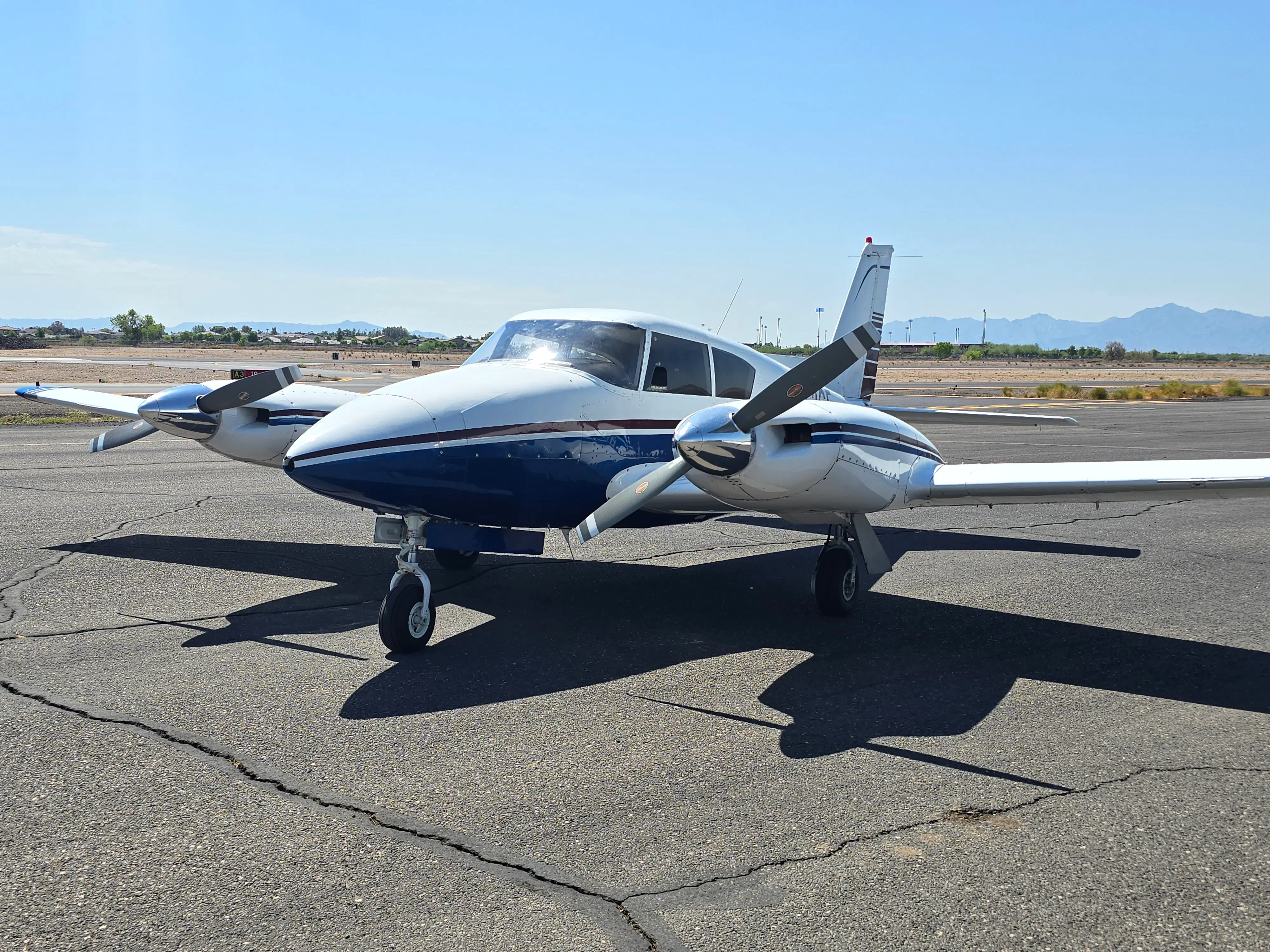
You must be able to explain the following systems in detail:
Propeller Systems: Understand how the constant-speed, full-feathering props work. Learn more about multi-engine propeller systems and how the nitrogen charge and counterweights prevent the prop from overspeeding.
Fuel Management: You must master multi-engine fuel cross-feed systems to manage fuel imbalances or extend your range during single-engine operations.
Environmental Systems: Be prepared to discuss multi-engine combustion heaters and introduction to cowl flaps for engine temperature management.
Advanced Systems: Depending on your specific airframe, you may be tested on aircraft pressurization systems or anti-ice/de-ice systems.
Aerodynamics and the "Critical Engine"
The core of multi-engine flying is understanding the physics of asymmetrical thrust. When one engine fails, the aircraft will yaw and roll toward the dead engine.
You must be able to define and identify the Critical Engine. This is the engine that, if failed, most adversely affects the performance or handling of the aircraft. In most non-counter-rotating twins, this is the left engine due to P-factor, Accelerated Slipstream, Spiraling Slipstream, and Torque.
Deepen your understanding of these concepts through our specialized modules on:
Zero Side Slip (the most efficient way to fly with an engine out)
Performance Planning: Know Your Limits
A Commercial Multi-Engine pilot never takes off without knowing if the plane can climb: or at least maintain altitude: if an engine fails. This requires precise calculation of multi-engine performance and limitations.
V-Speeds to Memorize:
Vmc (80 KIAS in the PA-30): Minimum Controllable Airspeed. Check out the full breakdown of multi-engine V-speeds and the factors affecting Vmc.
Vyse (105 KIAS): Best Rate of Climb Single-Engine (Blue Line).
Vxse (90 KIAS): Best Angle of Climb Single-Engine.

You must also understand the impact of environment on performance. High density altitude can drastically reduce your multi-engine service ceiling (the altitude where a 50 fpm climb is the maximum possible on one engine). Be aware of the critical density altitude, where Vmc and Stall Speed (Vs) meet.
The Five Essential Checkride Maneuvers
The Airman Certification Standards (ACS) for the Commercial Add-On focus on five primary flight maneuvers. Your ability to execute these smoothly determines your success.
1. Engine Failure During Takeoff (Below Vr)
This is a test of your reaction time. If the engine fails or any anomaly occurs before rotation, the procedure is simple: Close both throttles and apply maximum braking. You must demonstrate the discipline to abort the takeoff immediately.
2. Engine Failure After Takeoff (Above Vr)
This is the most critical phase of flight. You must maintain directional control, pitch for Vyse (Blue Line), and execute the "Memory Items" or "Flow":
Mixtures, Props, Throttles: All Forward.
Flaps and Gear: Up.
Identify: "Dead foot, dead engine."
Verify: Retard the throttle of the suspected dead engine.
Fix or Feather: In a checkride scenario, you will simulate a "Fix" attempt or proceed to feather.
3. Vmc Demonstration
The goal is to recognize the loss of directional control. You will slowly reduce airspeed with one engine at idle and the other at full power. You must recover at the first sign of a stall or loss of heading by reducing power on the operating engine and lowering the nose.
4. In-Flight Engine Shutdown and Restart
The examiner will have you perform a full shutdown and feathering of an engine. You must follow the checklist precisely, ensuring you don't inadvertently shut down the working engine. This maneuver demonstrates your ability to manage the cockpit under stress.
5. Single-Engine Approach and Landing
You will fly a traffic pattern or an instrument approach with one engine simulated at "zero thrust." Precision is key. You must manage your weight and balance and energy to ensure you don't need a "go-around," as single-engine go-arounds are extremely hazardous and often impossible in light twins.
Instrument Proficiency: The "Final Boss"
If you hold an instrument rating, the checkride will include a single-engine instrument approach. This is often the most challenging part of the ride.
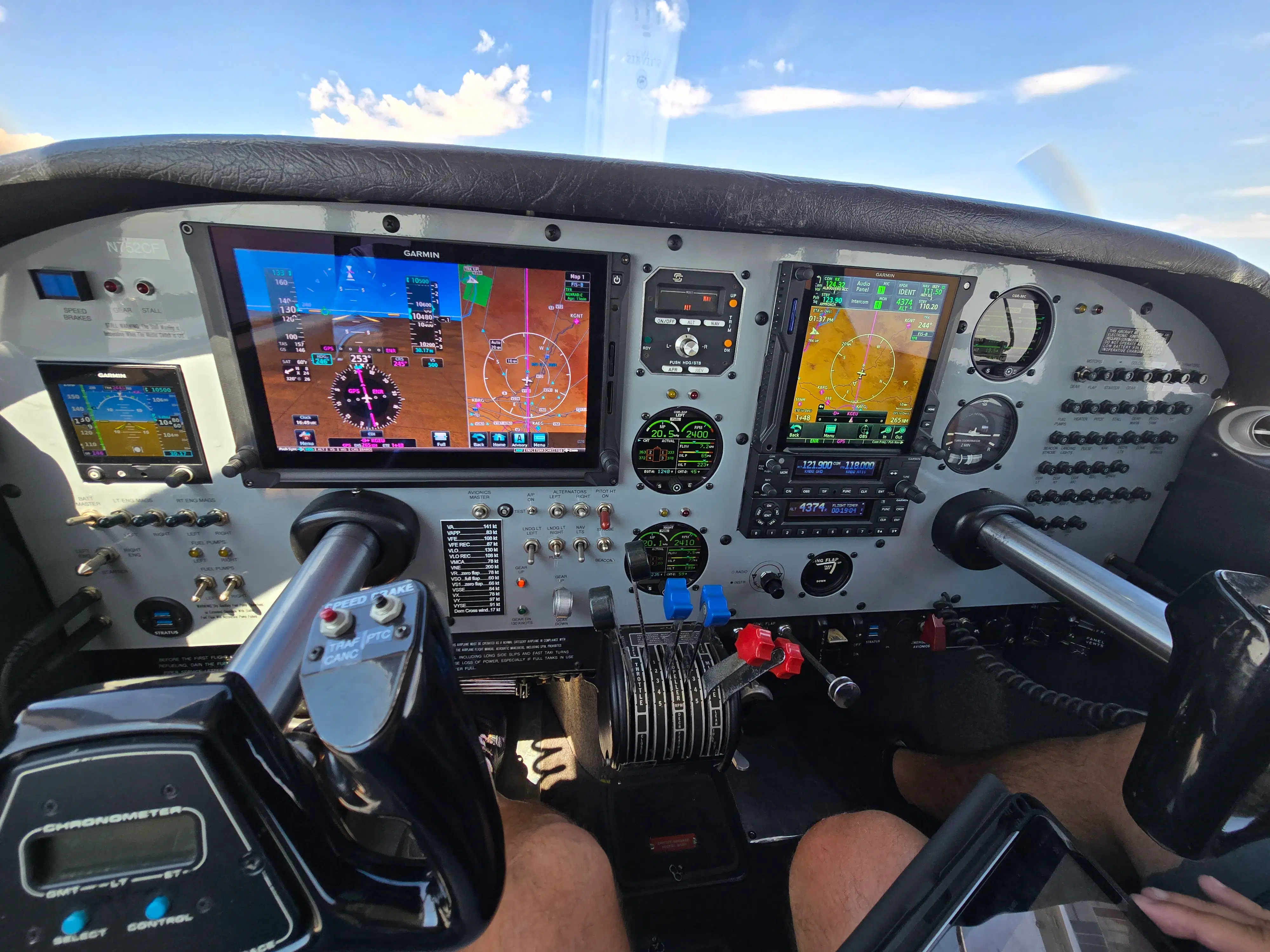
You must maintain the localizer and glidepath with high precision while managing the asymmetrical thrust. Small, frequent corrections are better than large, sweeping movements. Remember the impact of Va (Maneuvering Speed) and ground effect as you transition from the approach to the landing flare.
Checkride Day: The Professional Mindset
The Designated Pilot Examiner (DPE) is looking for more than just "stick and rudder" skills. They are looking for Commercial Pilot Decision-Making.
Briefing: Give a thorough passenger and safety briefing.
Checklists: Use them for every phase of flight. Do not rely solely on memory.
Situational Awareness: Always know where your nearest suitable airport is if an engine fails.
Professionalism: Dress the part and speak with authority.
Conclusion: Elevate Your Career
The Commercial Multi-Engine Add-On is the gateway to the professional world. It requires a significant shift in how you view aircraft performance and emergency management. By focusing on the technical modules in our multi-engine training series, you can walk into your checkride with the confidence of an expert.
At Ace Pilot Academy, we don't just teach you to pass a test; we teach you to master the twin. Whether you're flying the PA-30 or preparing for a heavy jet, the fundamentals of multi-engine aerodynamics remain the same.
Ready to start your journey? Review the ACS, hit the books on your engine performance, and we’ll see you in the cockpit.

Comments