
7 Mistakes You’re Making with Multi-Engine Time Building (and How to Upgrade Your Career)

Transitioning from a single-engine aircraft to a twin is one of the most significant milestones in a pilot's career. It marks the jump from "learning to fly" to "learning to manage systems." However, many aviators treat the time-building phase between their initial Multi-Engine Rating and their airline interview as a passive exercise in burning holes in the sky.
In the current 2026 hiring environment, airlines and corporate flight departments are looking for more than just a number in a logbook. They want to see proficiency, systems knowledge, and a professional mindset. If you are just "turning money into noise," you are missing an opportunity to sharpen the skills that will get you through a Type Rating.
Here are the seven most common mistakes pilots make during multi-engine time building and how you can turn those hours into a strategic career move.
1. The "Auto-Pilot" Mentality: Logging vs. Learning
The single biggest mistake is treating time building as a passive activity. Research suggests that for many pilots, 1,500 hours does not automatically equate to being "airline-ready." If you spend 100 hours of multi-engine time flying in straight lines on a clear day with the autopilot engaged, you haven't gained 100 hours of experience; you’ve gained one hour of experience 100 times.
The Fix:
Hand-fly the aircraft: Practice precision at various altitudes and configurations.
Set objectives: Every flight should have a focus, whether it’s steep turns, stalls, or instrument approaches.
Simulate failures: Don't just cruise. Task-saturate yourself by simulating a failed heater, a failed alternator, or a lost COM radio.
2. Neglecting V-Speed Precision
In a single-engine plane, a few knots off your target speed usually results in a slightly longer landing roll. In a multi-engine aircraft, a few knots can be the difference between a successful climb and a loss of control if an engine fails. Many pilots get "lazy" with their speeds once they pass their checkride.
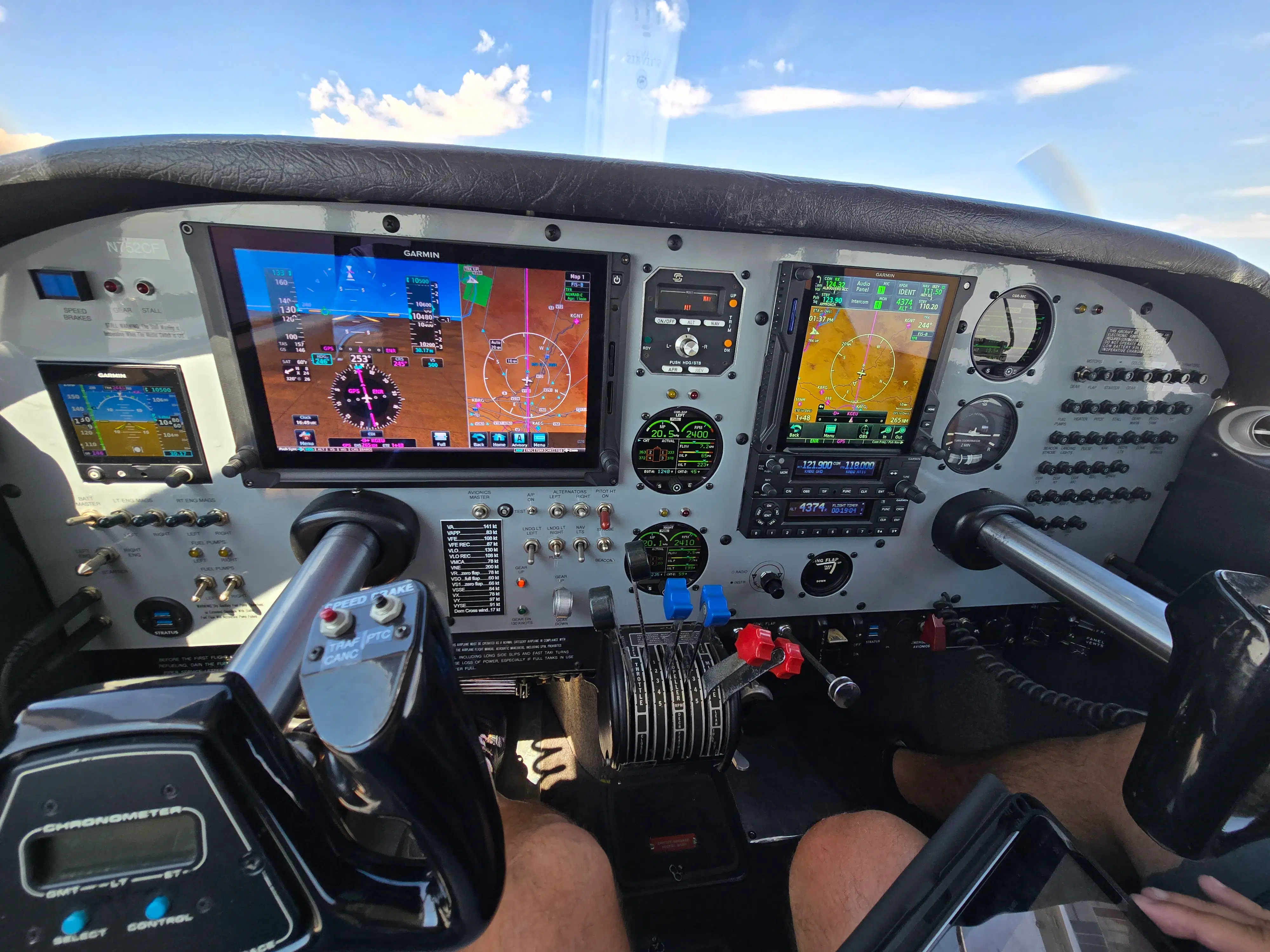
According to the FAA Airplane Flying Handbook (AFH), understanding the relationship between Vyse (Blue Line) and Vmc (Red Line) is critical. During time building, you should constantly be aware of your "density altitude" and how it affects these speeds.
The Fix:
Commit to flying exactly at Vyse during every climb-out.
Practice slow flight in the multi-engine configuration to stay intimately familiar with the aircraft's handling characteristics near Vmc.
3. Ignoring Real-World Weight and Balance
Most training and time building occurs with just two pilots and partial fuel. The aircraft performs beautifully in these light conditions. However, your career will involve flying aircraft at Max Gross Weight. If you never experience how a twin handles when it’s heavy, you aren't prepared for the real world.
A Multi-Engine Flight Training program should emphasize the drastic performance degradation that occurs when an engine fails on a heavy aircraft on a hot day.
The Fix:
Fly with a variety of fuel loads and passenger weights (within limits).
Calculate your "accelerate-stop" and "accelerate-go" distances for every single takeoff, even on long runways. This builds the habit required for Part 121 and 135 operations.
4. Poor Engine Management and Lifecycle Awareness
As a future professional pilot, you are expected to be a manager of expensive machinery. Many time-builders treat the throttles like switches: either all the way forward or all the way back. This is especially detrimental in high-performance twins like the Piper PA-30 Twin Comanche.
The Fix:
Manage Temperatures: Practice smooth power transitions to avoid shock cooling the cylinders.
Lean Appropriately: Master the art of leaning for best power vs. best economy. Understanding EGT (Exhaust Gas Temperature) and CHT (Cylinder Head Temperature) is a skill that translates directly to flying larger turboprops and jets.
Monitor Systems: Don't just look at the oil pressure; look at the trends.

5. Staying in the "Practice Area" Bubble
If you spend all your time building hours at your home airport, you aren't learning how to navigate the national airspace system effectively. Professional flying is about going from Point A to Point B, often through challenging weather and unfamiliar ATC environments.
The Fix:
Go Cross-Country: Plan trips to busy Class Bravo or Charlie airports.
Fly the System: Even in VFR conditions, file IFR. This keeps your radio work sharp and your instrument procedures fluid.
Diverse Terrain: If you usually fly over the flats, head to the mountains or the coast. Experience how different environments affect multi-engine performance.
6. Miscalculating "Quality" Time (PIC vs. SIC)
One of the most frustrating mistakes a pilot can make is reaching 1,500 hours only to realize that their multi-engine time doesn't meet the specific requirements of their dream airline. There is a massive difference between logging "Multi-Engine Time" and "Multi-Engine PIC (Pilot-in-Command) Time."
Most major carriers look for at least 50 to 100 hours of Multi-PIC. If you are safety-piloting for a friend and you both log the time, ensure you understand the FAA regulations (specifically 14 CFR 61.51) regarding who can legally log PIC.
The Fix:
Prioritize PIC: Ensure the majority of your time building is spent as the sole manipulator of the controls and the designated PIC.
Verify Requirements: Check the hiring minimums for the companies you want to work for. Some require specific "Cross Country PIC" or "Night PIC" in multi-engine aircraft.
7. Letting Single-Engine Proficiency Erode
It is a paradox: while building multi-engine time, your ability to handle a single-engine emergency often declines. Pilots become comfortable having "two of everything." However, the Airman Certification Standards (ACS) for a Commercial Multi-Engine Add-On or an ATP certificate require mastery of engine-out procedures.
If you aren't regularly practicing "Identify, Verify, Feather, and Secure" procedures, you are setting yourself up for failure during a future checkride or, worse, a real emergency.
The Fix:
Memory Items: Drill your emergency checklists until they are second nature.
Vmc Demo Awareness: Understand the aerodynamics of the critical engine and why the aircraft behaves the way it does.
Simulated OEI (One Engine Inoperative): With a qualified instructor or safety pilot, practice approaches and landings with one engine simulated inoperative (zero thrust).
Upgrading Your Career: The Path Forward
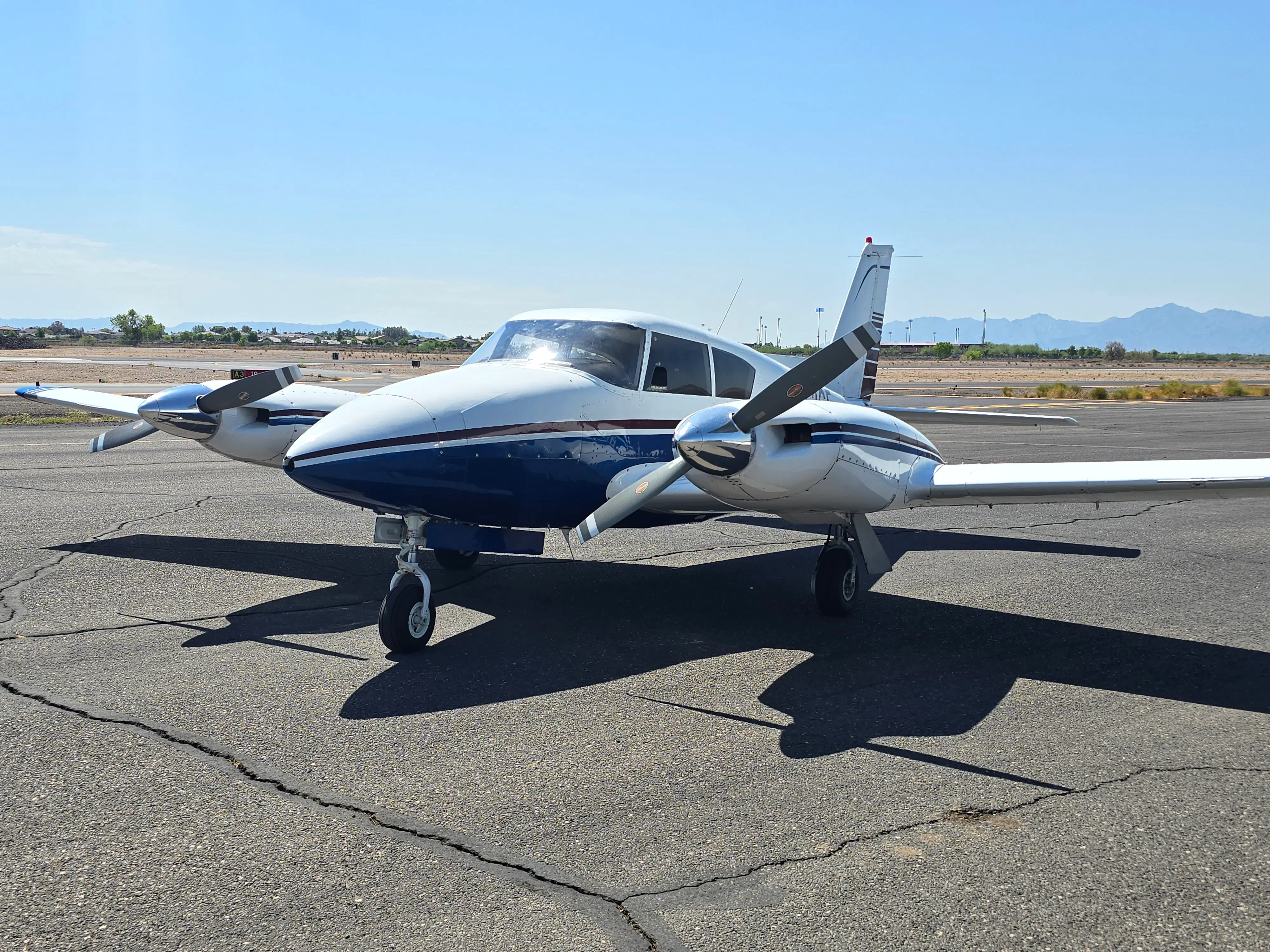
Time building is not a waiting room; it is a classroom. Every hour you spend in a twin like the PA-30 Twin Comanche is an opportunity to prepare for the captain’s seat. The pilots who succeed in airline initial training are the ones who took their time building seriously: treating every flight like a professional mission.
If you are looking to maximize your training efficiency, consider an Accelerated Flight Training program. These programs are designed to keep you in the "flying rhythm," ensuring that the knowledge from Day 1 is still fresh when you take your checkride on Day 10.

Why the PA-30 is the Ultimate Career Tool
At Ace Pilot Academy, we utilize the Piper PA-30 Twin Comanche for a reason. It is a high-performance, complex aircraft that demands respect and precision. Mastering the Twin Comanche means you have mastered the fundamentals of multi-engine aerodynamics and systems management. It’s not just an airplane; it’s a bridge to your professional future.
Don't let your time-building hours be empty. Make them count. Focus on the details, stay within the ACS standards, and keep your eyes on the ultimate goal: the flight deck of a major carrier.
If you're ready to stop just "logging time" and start building a career, Contact Us today to see how our fleet and instructors can help you reach your goals. Explore our Our Fleet to see the aircraft that will take you to the next level.

Comments