
Multi-Engine Time Building: The Ultimate Guide for Career-Focused Aviators

For the aspiring commercial pilot, the transition from single-engine operations to multi-engine proficiency is more than just a rating: it is a career-defining milestone. In the hierarchy of pilot qualifications, multi-engine flight time remains one of the most scrutinized sections of a pilot's logbook by airline recruiters and corporate flight departments.
The objective of multi-engine time building is not merely to accumulate hours; it is to master the complexities of multi-engine aerodynamics, systems management, and emergency procedures. This guide provides a strategic framework for aviators to maximize their time-building phase, ensuring every hour logged contributes to professional growth and checkride readiness.
The Strategic Importance of the 25-Hour Threshold
In the current hiring environment, most Part 121 regional airlines and many Part 135 operators require a minimum of 25 hours of multi-engine flight time for entry-level applicants. While it is possible to obtain a multi-engine rating with fewer hours, those remaining hours to reach the 25-hour mark must be logged with purpose.
Airlines prioritize candidates who demonstrate a deep understanding of multi-engine performance and limitations. Simply flying level cross-country "boring" hours does little to prepare you for the rigors of an airline simulator evaluation. Instead, focused time building should involve frequent repetitions of engine-out procedures, instrument approaches on one engine, and management of complex systems.
Logging Quality Time: PIC vs. Safety Pilot
A common debate in time-building circles is whether to log time as a Pilot-in-Command (PIC) or as a safety pilot. For career-focused aviators, the answer is clear: PIC time is the gold standard.
While safety pilot arrangements can reduce costs by allowing two pilots to split the bill, many major airlines and high-level corporate operators discount safety pilot time. They are looking for the pilot who was the sole manipulator of the controls and the final authority for the safety of the flight.
When building your hours, prioritize programs where you are the sole occupant or where the training structure ensures you are logging legitimate PIC time according to FAA Part 61.51. This ensures your logbook stands up to the scrutiny of a records department during a background check.
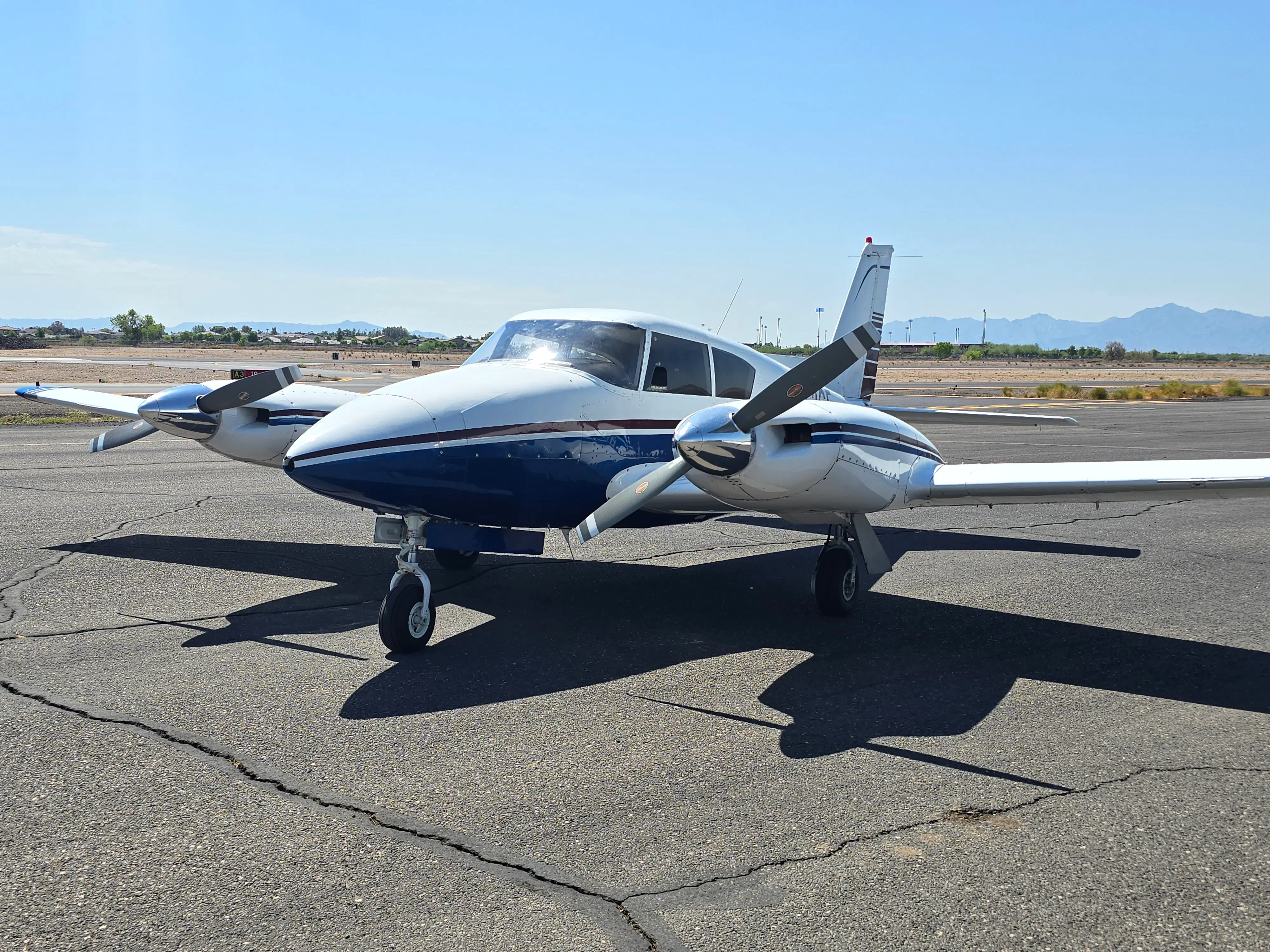
Maximizing the Twin Comanche Platform
At Ace Pilot Academy, we utilize the Piper PA-30 Twin Comanche for our multi-engine training and time building. The Twin Comanche is widely regarded as one of the most efficient and effective multi-engine trainers ever produced.
Fuel Efficiency: The PA-30 allows for lower hourly rates compared to larger twins like the Cessna 310 or Beechcraft Baron.
Complexity: With retractable gear, constant-speed propellers, and cowl flaps, it provides the "complex" experience required for commercial certification.
Handling: It is an honest airplane that rewards precision, particularly during the critical multi-engine v-speed transitions.
Building time in a PA-30 equipped with modern avionics, such as the G1000, bridges the gap between general aviation and the modern flight decks you will encounter in the professional world.
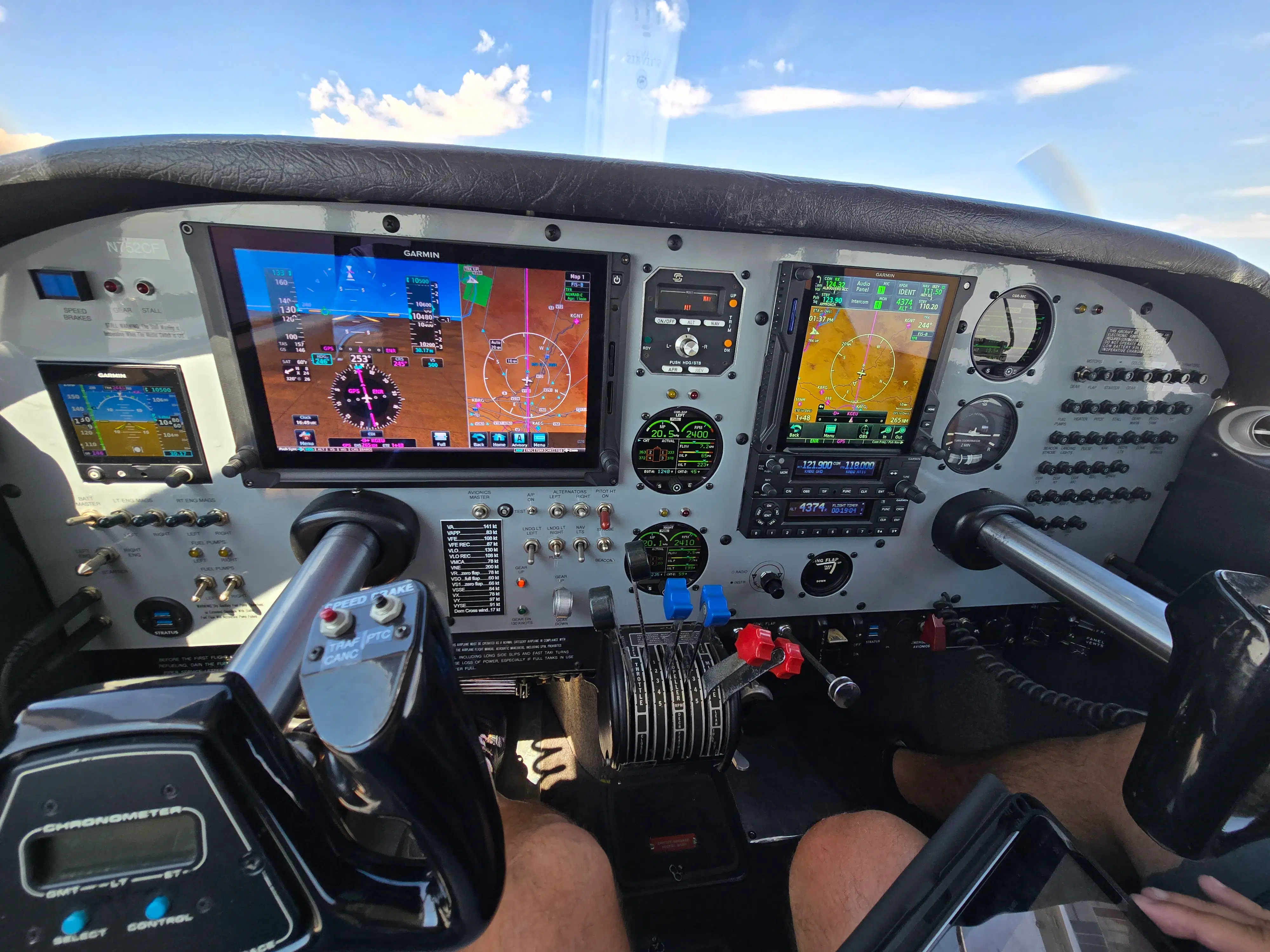
Advanced Systems Mastery During Time Building
Time building is the ideal phase to move beyond basic aircraft control and into high-level systems management. Professional pilots are expected to be systems experts. During your hours, you should actively study and practice the following:
Propeller and Engine Management
Understanding multi-engine propeller systems, including feathering and unfeathering in flight, is vital. You should also focus on managing thrust and recognizing how multi-engine performance changes with density altitude.
Fuel and Environmental Systems
Don't just fly with the fuel selectors in "ON." Understand the nuances of multi-engine fuel x-feed systems and how to manage imbalances. If your aircraft is equipped with them, learn the operation of multi-engine combustion heaters and anti-ice de-ice systems.
Aerodynamic Theory in Practice
Every hour in the air is an opportunity to visualize the forces acting on an aircraft. Practice maintaining a zero side slip condition during simulated engine-out climbs to understand how it maximizes performance.

Maneuvers to Practice for Professional Proficiency
To ensure your time building translates to checkride success and career readiness, follow the FAA Airplane Flying Handbook (AFH) guidelines for these key maneuvers:
Steep Turns: Focus on maintaining altitude and airspeed within ACS standards while managing the increased drag and power requirements of a twin.
Slow Flight and Stalls: Understand how the aircraft behaves at the edge of the envelope, paying close attention to directional control.
Vmc Demonstrations: Regularly review the factors affecting ME Vmc and the concept of the ME critical engine.
Engine Failures in Flight: Practice the "Identify, Verify, Feather" flow until it becomes muscle memory.
Single-Engine Approaches: Whether VFR or IFR, mastering the single-engine approach is the hallmark of a professional multi-engine pilot.
Operational Considerations: Performance and Limitations
As you build time, you must become intimately familiar with the aircraft's "ceilings." There is a significant difference between the all-engine service ceiling and the multi-engine service ceiling (single-engine service ceiling).
Understanding the critical density altitude is another essential skill. You need to know at what point the aircraft will reach its directional control limit (Vmc) before it reaches a stall, or vice versa. This knowledge is not just for the checkride: it is for survival in high-density altitude environments.

Accelerated vs. Traditional Time Building
For pilots on a career fast-track, accelerated flight training programs are often the best choice. These programs allow you to fly 4 to 6 hours a day in a concentrated period.
Pros: High retention of knowledge, faster route to the 25 or 50-hour mark, and immersive learning environment.
Cons: High mental fatigue and significant upfront financial commitment.
If you choose the traditional route, ensure you are flying at least twice a week. Multi-engine skills are perishable; long gaps between flights can lead to a "plateau" in your proficiency, ultimately costing more in the long run as you spend time relearning basic procedures.
Integrating IFR Proficiency
The majority of your professional multi-engine career will be spent in the IFR environment. Do not waste your time building hours only in visual conditions. Use this time to fly instrument approaches, practice holding patterns, and navigate complex airspace using the G1000 or other advanced avionics.
Focusing on the transition from the enroute phase to the approach phase while managing engine temperatures via introduction to cowl flaps is a nuance that separates average pilots from professionals.
Prepping for the Commercial Multi-Engine Add-On
If you are building time toward your Commercial Multi-Engine Add-On, your focus should be on the Airman Certification Standards (ACS). Every flight should be treated like a mock checkride.
Can you maintain altitude within +/- 100 feet?
Can you maintain airspeed within +/- 10 knots?
Is your cockpit management organized and efficient?
By holding yourself to these high standards during your time-building phase, the actual checkride will simply be another day at the office.
Final Thoughts for Career Aviators
Multi-engine time building is the bridge to the flight deck of a jet. Whether you are aiming for the regionals, a corporate flight department, or a cargo carrier, the quality of your twin-engine hours matters.
Focus on PIC time, master the complex systems of the PA-30, and never stop studying the aerodynamics that keep a multi-engine aircraft in the air when one engine fails. This disciplined approach to time building will not only get you hired but will ensure you are a safe and competent captain for years to come.

Comments