
How to Avoid the Biggest Commercial Multi-Engine Add-On Pitfalls (and Ace Your Checkride)
- Jeff Gerencser
- Mar 31
- 5 min read

The Commercial Multi-Engine Add-On is often the shortest training course in a pilot’s career, but it is also one of the most intense. For career-focused aviators, this rating is the gateway to the airlines, cargo operations, and corporate hangars. However, because the training is typically compressed into a few days or weeks, many candidates fall into predictable traps that lead to checkride failures.
Earning your multi-engine rating isn't just about handling two engines; it’s about demonstrating mastery over a more complex machine while adhering to the rigorous Airman Certification Standards (ACS). To help you navigate this milestone, we’ve identified the biggest pitfalls and how to avoid them.
The Systems Trap: Knowledge Beyond the Checklist
The multi-engine oral exam is notorious for being systems-intensive. In a single-engine aircraft, a failure often results in a glide. In a multi-engine aircraft, failures involve complex interactions between hydraulic, electrical, and aerodynamic systems.
Don't Just Memorize: Understand
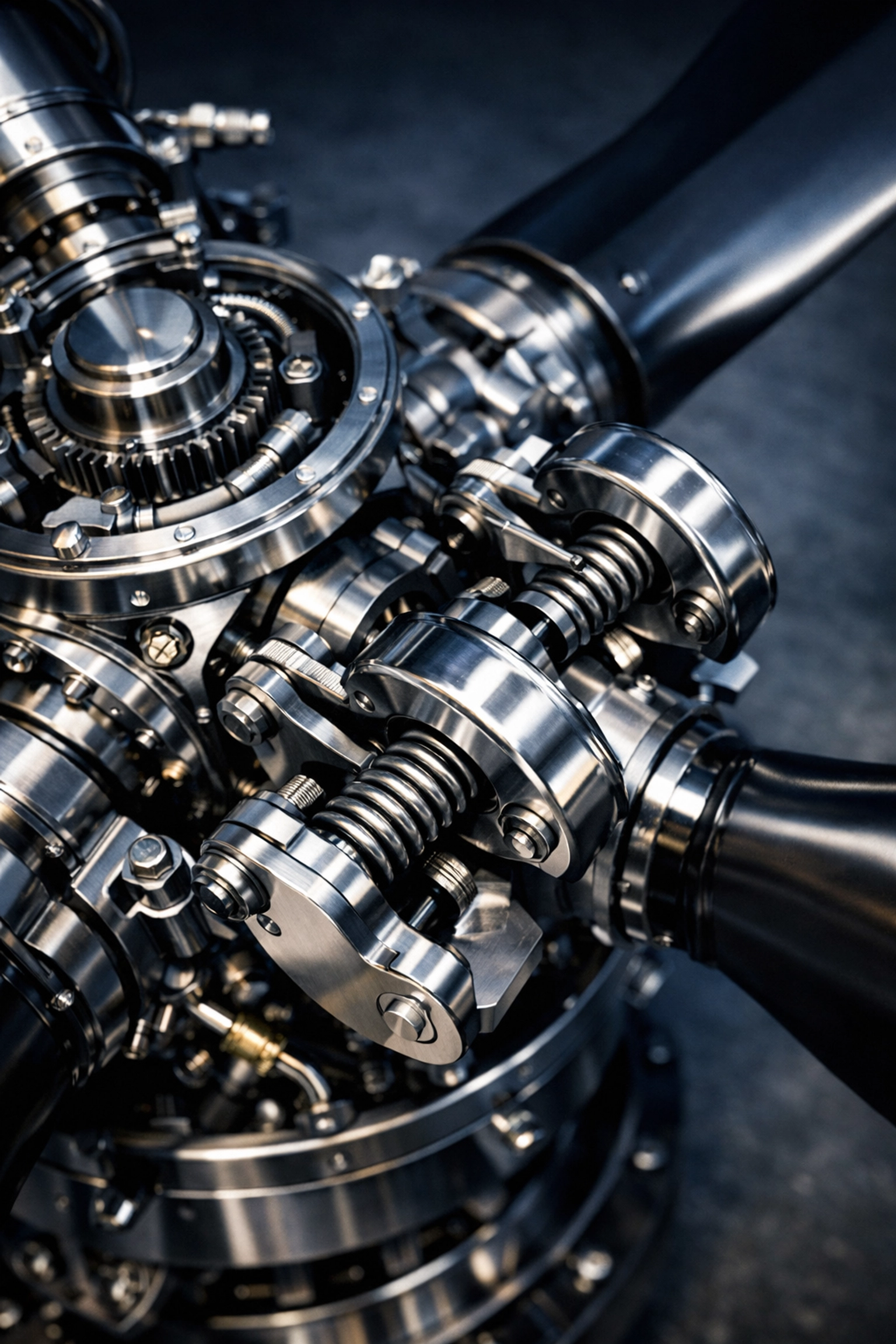
Many pilots make the mistake of memorizing a list of system components without understanding how they interact. If the examiner asks how the feathering system works, simply saying "it uses nitrogen" isn't enough. You need to explain the relationship between oil pressure, aerodynamic twisting moments, and the counterweights or springs that drive the blades to the feathered position.
Systems to Master:
Propeller Governors: Understand what happens when oil pressure is lost.
Landing Gear: Know the difference between the "up" limit switches and "down" locks.
Fuel Systems: Be prepared to draw the fuel flow, including cross-feed operations and the risks involved.
Heating and Environmental: Many twins use combustion heaters; know the fire-protection protocols for these units.
Mastering the "Critical Engine" Concept
The concept of the critical engine is a cornerstone of multi-engine aerodynamics. In a standard American twin (like the Piper Seneca or the PA-30 Twin Comanche), the left engine is critical due to P-factor, Accelerated Slipstream, Spiraling Slipstream, and Torque (PAST).
The Pitfall: Reciting vs. Applying
A common pitfall is being able to recite the "PAST" acronym but failing to explain why torque creates a roll or why the P-factor shift on the right engine creates a longer arm. On the checkride, the examiner will look for your ability to apply these concepts to real-world scenarios, such as how weight and CG location affect your Vmc (Minimum Controllable Airspeed).
Review the 12 factors of Vmc and be ready to explain how each one moves the "red line" on your airspeed indicator.
Single-Engine Procedures: Precision Over Speed
When an engine fails, your immediate reaction must be disciplined. The most frequent checkride failures occur during the "Identify, Verify, Feather" sequence.
The Pitfall: Rushing the Flow
In the heat of a simulated emergency, candidates often "feather" the wrong engine because they rushed the identification process.
Dead Foot, Dead Engine: If your left foot is doing nothing to maintain directional control, your left engine is the one that failed.
Verify with the Throttle: Always pull the throttle of the suspected failed engine slowly to confirm there is no change in aircraft performance before moving the propeller lever to feather.
Directional Control and Airspeed
Maintaining directional control is non-negotiable. If you allow the nose to yaw more than 20 degrees off heading or if your airspeed drops below Vyse (Blue Line) during a climb, the checkride is likely over. Prioritize the "Fly the Airplane" mantra: Maintain heading, maintain airspeed, and only then move to the emergency checklist.

The Mental Game: Structured Briefings
Multi-engine flying happens faster than single-engine flying. If you are behind the airplane, you are failing. One of the best ways to stay ahead is to use a structured briefing system before every maneuver and approach.
The WIRE Method
We recommend the WIRE briefing to ensure nothing is missed:
W – Weather: Confirm ATIS/AWOS and the expected approach or landing conditions.
I – Instruments: Verify your altimeter, heading indicator, and flight directors are set.
R – Radios: Pre-load frequencies for the tower, approach, and any navigation aids.
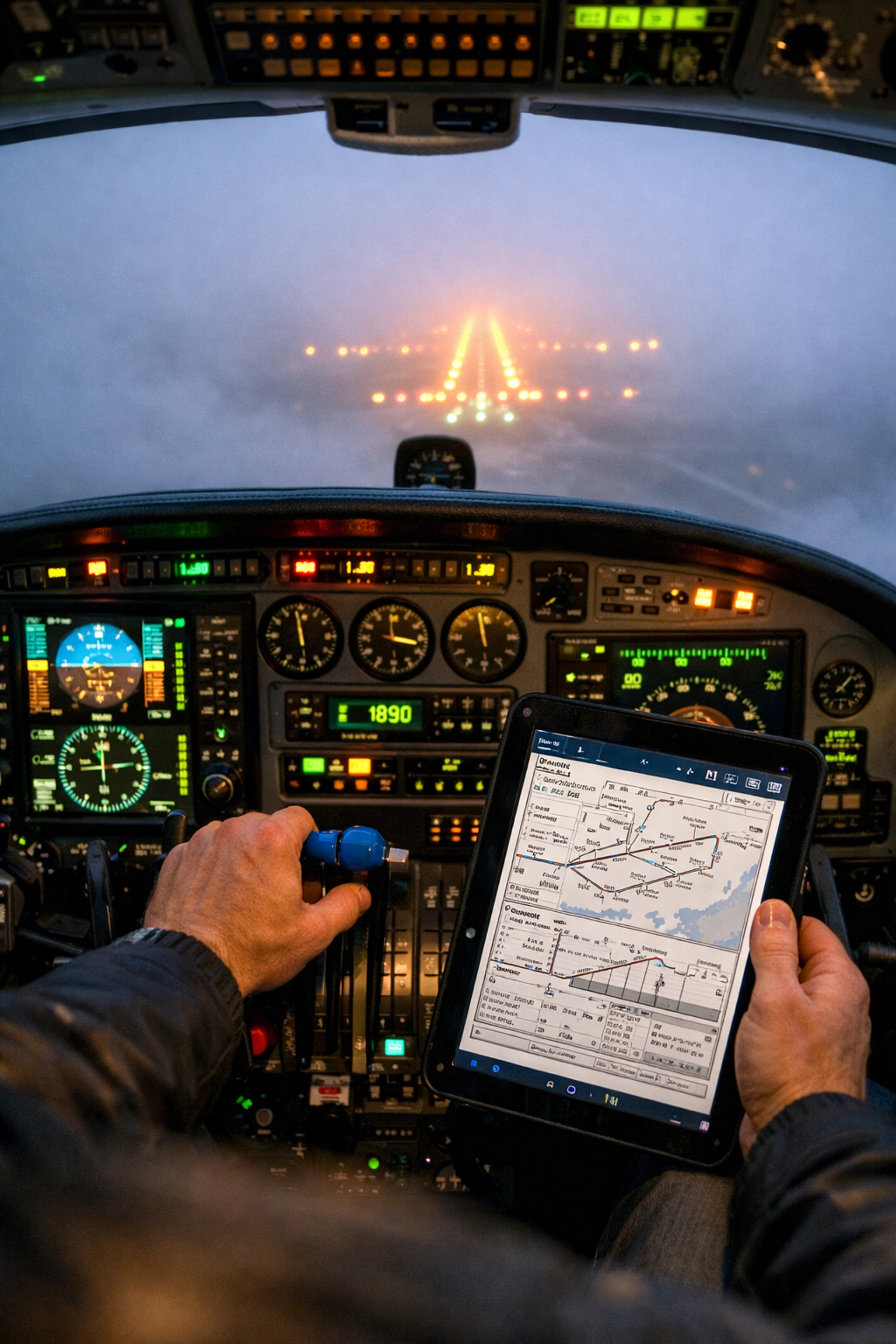
E – Environment: Brief the approach plate, including the missed approach procedure and the "engine out" plan for the go-around.
Communicate Your Intentions
A simple but frequent oversight is failing to communicate. If you are performing a simulated single-engine approach, tell the "Tower" (the examiner) what your plan is. State clearly: "In the event of a go-around, I will prioritize directional control and climb at Vyse." This shows the examiner you are thinking ahead.
Common ACS Compliance Errors
The Airman Certification Standards (ACS) provide the specific metrics you must meet. Many candidates fail on "small" technicalities that are clearly defined in the manual.
Landing Gear Operation: Forgetting to retract the gear during a simulated engine failure on takeoff creates unnecessary drag that will prevent the aircraft from climbing. Conversely, forgetting to extend the gear for landing is an immediate failure.
Bank Angle: During single-engine operations, you must maintain "Zero Side Slip" (usually 2-3 degrees of bank toward the operating engine and half-ball displacement). Exceeding 15 degrees of bank when turning on a single engine can lead to a loss of control.
Altitude and Airspeed Deviations: For the Commercial Multi-Engine rating, you are generally held to +/- 100 feet and +/- 10 knots. In a twin, weight and momentum make these deviations harder to correct if you aren't proactive.
Performance Data Realism
Your Pilot’s Operating Handbook (POH) is the legal authority for your aircraft’s performance, but it represents a brand-new airplane flown by a test pilot in perfect conditions.
The Pitfall: Ignoring Density Altitude
Many pilots fail to account for how density altitude impacts single-engine climb performance. On a hot day, a light twin may have a negative climb rate on one engine. On your checkride, be prepared to explain the "Single-Engine Service Ceiling" and what you will do if the airplane cannot maintain altitude after an engine failure.
Final Checklist for Checkride Success
To ensure you walk away with your new rating, keep these final tips in mind:
Checklist Discipline: Do not flow from memory and forget the paper. Use the checklist to verify every phase of flight.
Clear the Area: Before any maneuver, perform clearing turns. Examiners are highly sensitive to "see and avoid" responsibilities.
Stay Calm: If you make a minor mistake (like missing a radio call), acknowledge it, correct it, and move on. Don't let one small error cascade into a major one.
Dress the Part: You are testing for a Commercial rating. Dress like a professional pilot. It sets the tone for the entire evaluation.
The Commercial Multi-Engine Add-On is a test of your ability to manage complexity and maintain composure under pressure. By mastering your systems, slowing down your emergency flows, and adhering strictly to the ACS, you’ll demonstrate the proficiency required of a professional aviator.
Ready to sharpen your multi-engine skills? Explore our Multi-Engine Training Series to get a head start on your ground knowledge and flight maneuvers. Success in the cockpit starts with preparation on the ground. Reach out to Ace Pilot Academy today to schedule your accelerated training.

Comments