
How to Avoid the Biggest Commercial Multi-Engine Add-On Checkride Pitfalls

Welcome to the final installment of Multi-Engine Mastery Week. We’ve spent the last few days breaking down V-speeds, diving into the PA-30 Twin Comanche, and discussing the merits of accelerated training. Today, we focus on the finish line: the Commercial Multi-Engine Add-On Checkride.
For many career-track pilots, this is one of the most exciting checkrides because it represents a significant jump in capability. However, it is also a checkride where the FAA Airman Certification Standards (ACS) demand precision. This isn't just about flying with two engines; it’s about demonstrating that you can safely manage the airplane when the worst-case scenario occurs.
Below are the most common pitfalls observed by Designated Pilot Examiners (DPEs) and how you can avoid them to secure your multi-engine rating.
Shallow Systems Knowledge
The most common reason for a "disapproval" before the engine even starts is a lack of deep systems knowledge. At the commercial level, the examiner expects you to move beyond rote memorization. You shouldn't just know that the landing gear is hydraulic; you should know how the fluid flows, what happens if a line breaks, and how the emergency extension system works.
Focus areas for the oral exam:
The 12 Factors of Vmc: Don't just list them. Be prepared to explain how each factor (like CG location or weight) physically changes the Vmc speed.
Propeller Systems: Understand the role of nitrogen charge, oil pressure, and aerodynamic twisting force in feathered vs. unfeathered states. Many applicants fail to explain the "anti-feathering pins" correctly. Review our guide on multi-engine propeller systems for a refresher.
Fuel Systems: Can you explain the crossfeed system without looking at a diagram? You must know the limitations of using crossfeed and when it is prohibited.
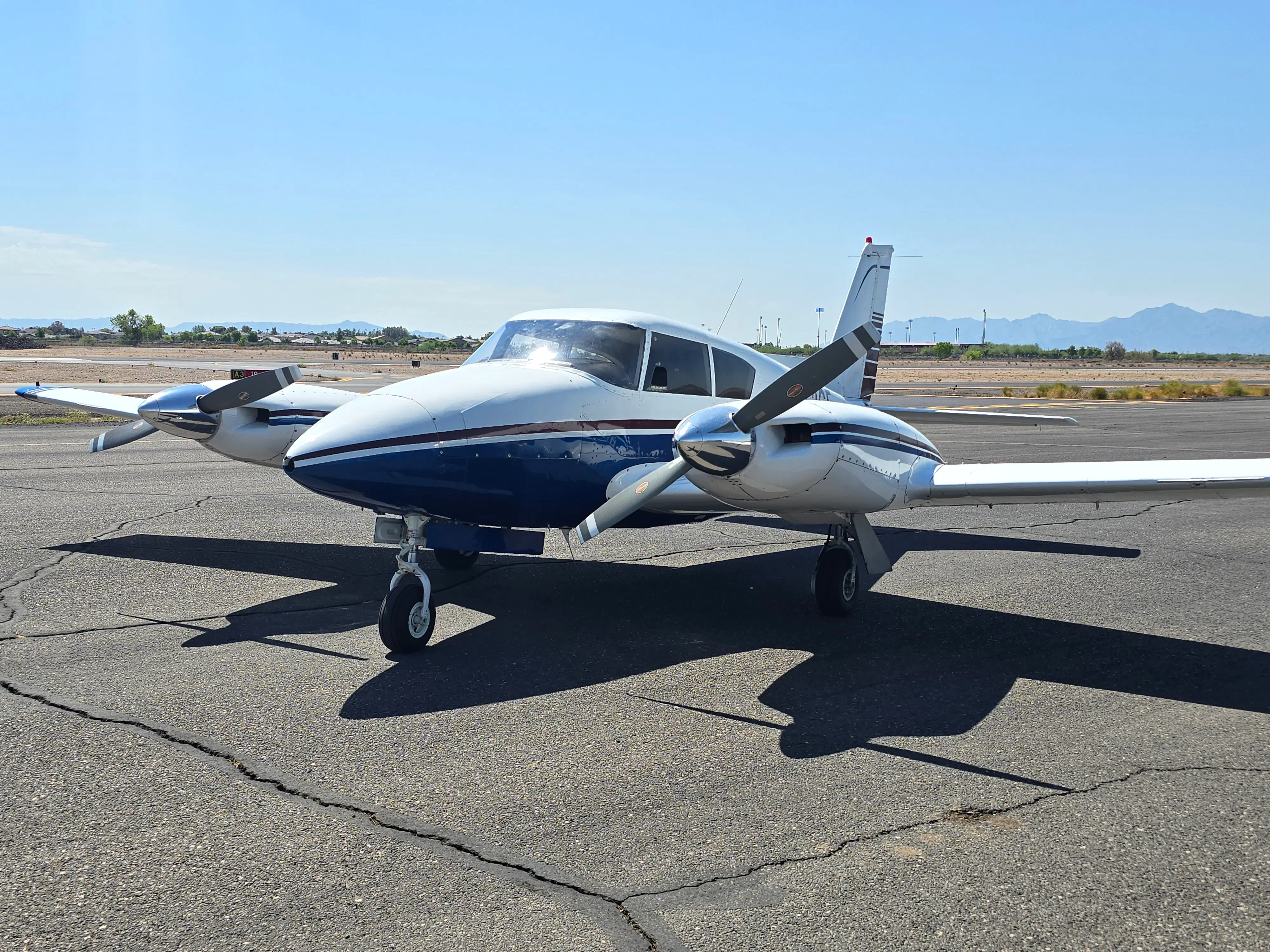
Poor Engine-Out Flow Management
In a multi-engine aircraft, an engine failure is a high-workload event. The ACS requires you to maintain directional control while identifying and verifying the failed engine.
The Pitfall: "The Scramble"
Many pilots panic and start grabbing levers. This leads to feathering the wrong engine or forgetting to "Identify and Verify."
How to avoid it:
Maintain Control: Pitch for Vyse (Blue Line) and use the rudder to stop the yaw.
Dead Foot, Dead Engine: If your right foot is idle because the plane is yawing left, the right engine is the one that failed.
Verify: Retard the throttle of the suspected engine slowly. If nothing changes, you’ve identified the correct one.
Feather: Only after verification do you move to the feathering checklist.
Remember, altitude is your friend. If you are at a safe altitude, take a breath. Rushing causes mistakes.
Ignoring the "Zero Side Slip" Technique
When an engine fails, the airplane wants to yaw toward the dead engine and roll toward the dead engine. To fly efficiently on one engine, you cannot simply keep the ball centered.
Flying with the ball centered while an engine is out actually creates a massive amount of drag because the fuselage is skewed into the wind. To achieve maximum performance, you must establish a zero side slip.
The Checkride Standard:
Bank approximately 2 to 5 degrees toward the operating engine.
Displace the "ball" about one-half to one full width toward the operating engine.
This aligns the fuselage with the relative wind, minimizing drag and maximizing climb (or minimizing descent).

Vmc Demonstration Pitfalls
The Vmc demonstration is often the "make or break" maneuver of the checkride. The goal is to show that you can recognize the loss of directional control and recover safely.
Common Mistakes:
Fixating on the Airspeed: Pilots often stare at the airspeed indicator and wait for it to hit a number. You should be looking outside. When the rudder is floored and the airplane continues to yaw toward the dead engine, you have reached Vmc.
Late Recovery: If you wait too long, the yaw can become violent. Recover at the first sign of loss of directional control or the first sign of a stall (whichever comes first).
Aggressive Power Application: When recovering, you reduce power on the operating engine. Once control is regained, smoothly re-apply power. Slamming the throttle forward can induce a second loss of control.
Review the multi-engine performance and limitations to understand the aerodynamic forces at play here.
Lack of Bank Angle Discipline
A specific "gotcha" that catches many commercial applicants is the bank angle during single-engine approaches.
When you are on base or final with a simulated engine failure, do not exceed 15 degrees of bank angle.
Why? At low airspeeds and high power settings (on the remaining engine), increasing your bank angle significantly increases your Vmc speed. Steeping the turn toward the dead engine at low altitude is a recipe for a loss-of-control accident. DPEs watch this like a hawk. Keep your turns shallow and your patterns wider if necessary to maintain a stabilized approach.
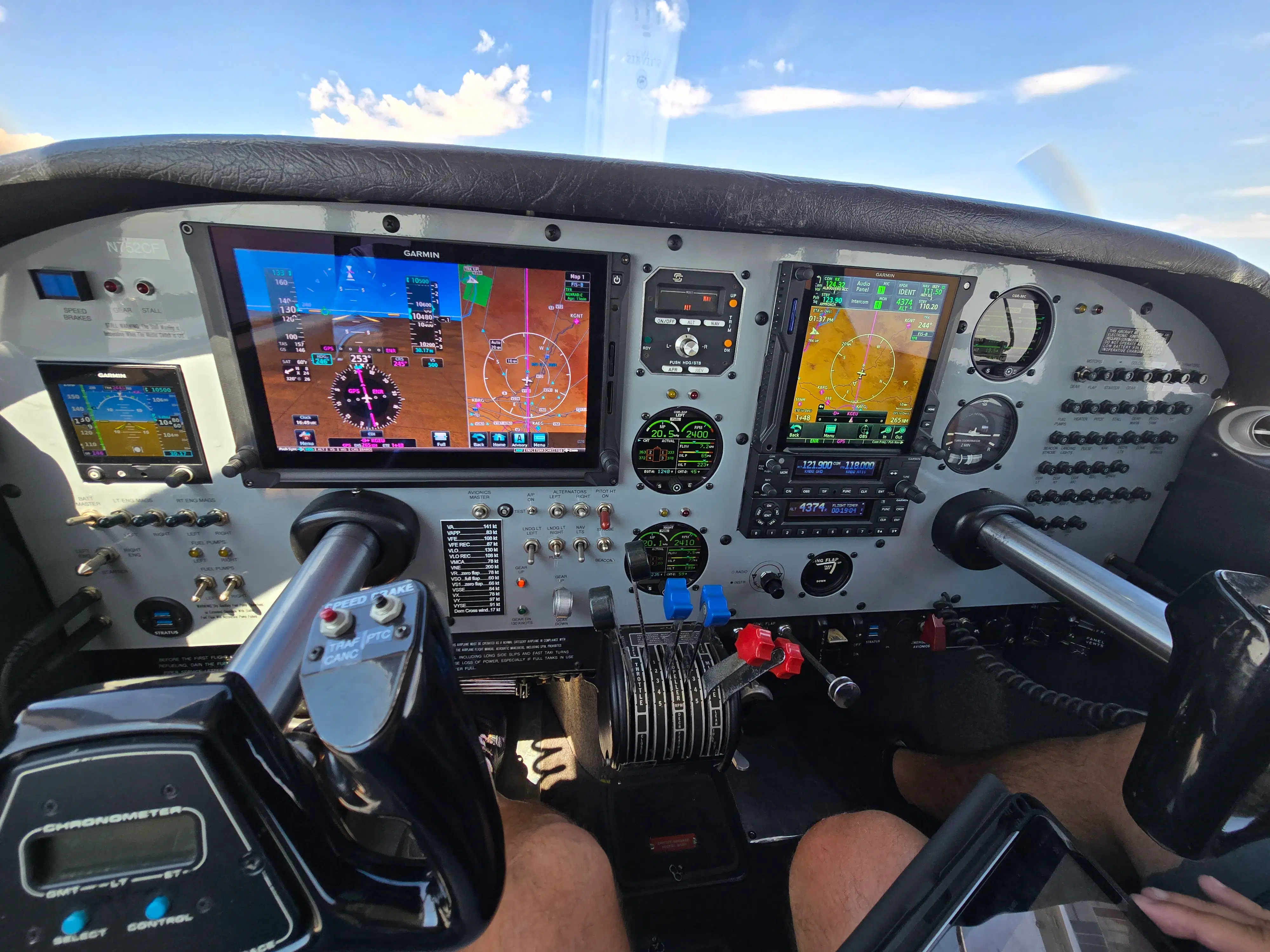
Procedural and Communication Errors
Sometimes it isn't the flying that fails a pilot; it's the "professionalism" aspect of being a Commercial Pilot.
ATIS and Briefings: Don't get so distracted by the multi-engine maneuvers that you forget to get the ATIS before returning to the airport. Also, always brief your approach, including your "go-around" plan if the single-engine approach becomes unstable.
Clear Communication: When practicing with a DPE, you are often working with Air Traffic Control. Always state that you are performing a "Simulated Engine Out." Failure to do so can lead to ATC declaring an emergency on your behalf, which complicates the checkride.
The "Clean Up" Checklist: After a maneuver, pilots often forget to retract the landing gear or close the cowl flaps. In a multi-engine aircraft, drag is the enemy. Leaving the gear down during a single-engine climb will likely result in a descent.
Mastery of the "Critical Engine" Concept
You will be asked about the critical engine. For most light twins (like the non-counter-rotating PA-30), the left engine is critical.
Key Acronym: P.A.S.T.
P-Factor: The descending blade of the right engine has a longer arm from the CG than the left engine, creating more yaw.
Accelerated Lift: More air is pushed over the wing by the right engine's descending blade (which is further out), creating a larger rolling moment.
Spiraling Slipstream: The slipstream from the left engine hits the tail, helping with directional control. The slipstream from the right engine misses the tail entirely.
Torque: Since the props turn clockwise, the airplane wants to roll left. Losing the left engine leaves you with a right-turning engine that exacerbates this left roll.
If you can explain these four factors clearly with a diagram, you will immediately earn the DPE's respect.
Final Checklist for Success
Before you head to the tarmac for your Commercial Multi-Engine Add-On, run through this mental checklist:
Weight and Balance: Is the aircraft within the utility category for maneuvers? Review weight and balance specific to multi-engine configurations.
Performance: Do you know your service ceiling on one engine? If the DA is high, can the plane actually climb?
Checklists: Are you using them? Multi-engine flying is "checklist-intensive." Do not rely on memory for securing an engine or for the before-landing flow.
The ACS: Have you read it? The ACS is the "cheat sheet" for the checkride. It tells you exactly what the examiner is allowed to test and what the tolerances are.
First Things First!
If you’re feeling overwhelmed by the transition to twins, remember that every great airline captain started exactly where you are. Multi-engine flying is about discipline and understanding the forces acting on an aircraft.
At Ace Pilot Academy, we specialize in getting pilots ready for this specific milestone. Whether you need to brush up on VA (Maneuvering Speed) or you want to master the Multi-Engine Training Series, we’ve got the resources to help you fly with confidence.
Fly safe, keep the blue line in sight, and go get that multi-engine rating!
This concludes our Multi-Engine Mastery Week. For more instructional content and career tips, visit acepilotacademy.com.

Comments