
7 Mistakes You’re Making with Your Multi-Engine Add-On Prep (and How to Fix Them)

Transitioning from single-engine aircraft to multi-engine platforms is one of the most significant milestones in a professional pilot’s career. It represents more than just a literal doubling of powerplants; it is a fundamental shift in how you manage energy, systems, and safety margins. However, many aviators approach the multi-engine add-on with the same mindset they used for their private or commercial single-engine ratings. This "more of the same" approach is a primary driver of checkride failures and, more importantly, proficiency gaps.
As part of our Multi-Engine Mastery Week, we are diving deep into the technical and procedural hurdles that hold pilots back. Whether you are aiming for your Commercial Multi-Engine Add-on or building time for the airlines, avoiding these seven common pitfalls will streamline your training and elevate your professional standards.
1. The Passive Time-Building Trap
One of the most frequent mistakes is treating multi-engine time building as a passive "cross-country" exercise. Pilots often engage the autopilot at cruise altitude and simply watch the hours tick by. While this might satisfy the FAA’s longitudinal requirements, it does nothing for your proficiency.
The Fix: Mission-Based Training
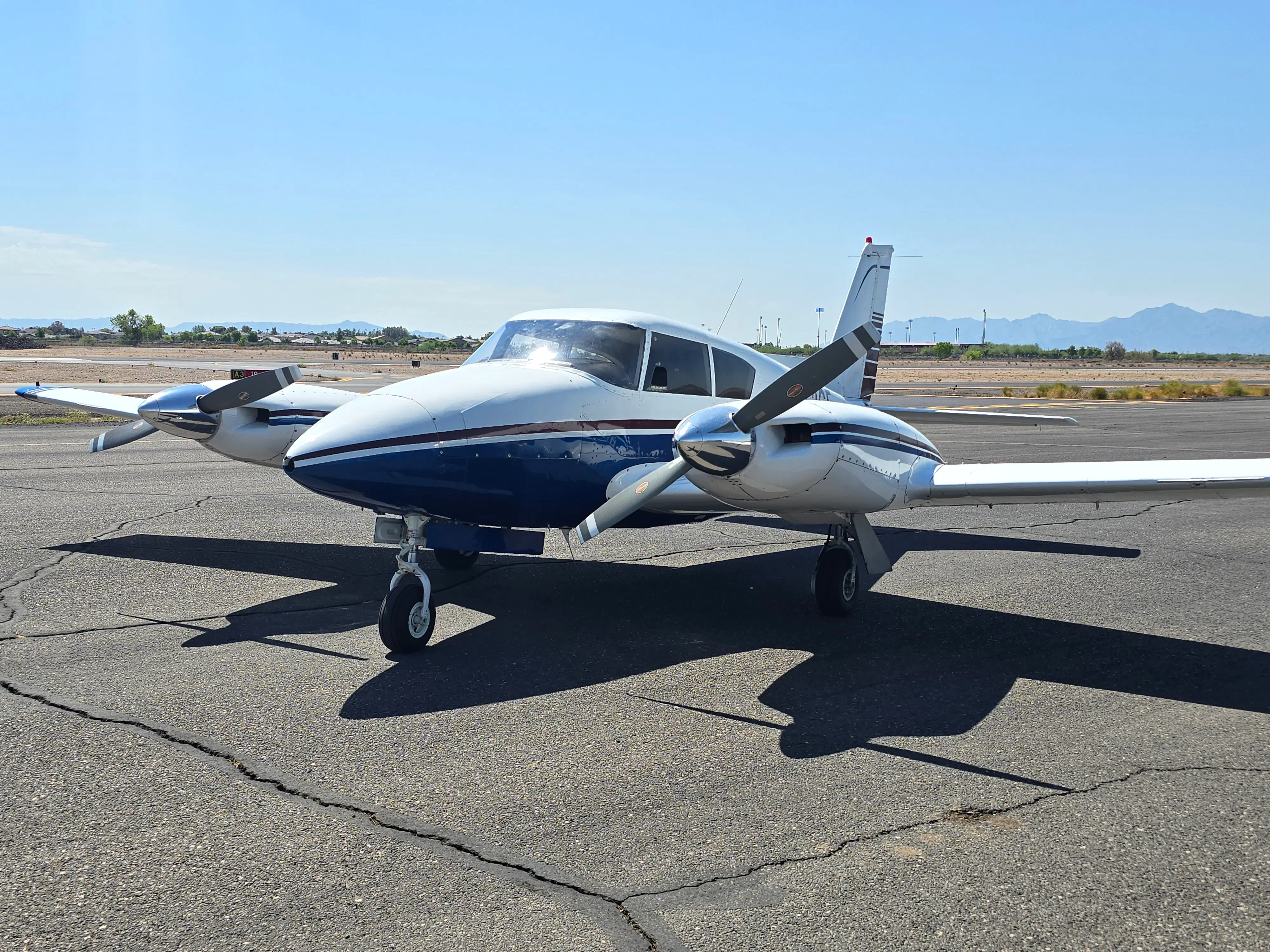
Every hour spent in a twin-engine aircraft, such as our Piper PA-30 Twin Comanche, should have a specific objective. Instead of just flying from Point A to Point B:
Practice Hand-Flying: Maintain altitude within ±20 feet and headings within ±2 degrees.
Constant Review: During cruise, run through your emergency checklists and V-speeds.
Simulated Diverts: Practice calculating ground speed and fuel burn manually to stay sharp for the unexpected.
By treating every flight as a mission, you transform a logbook entry into a genuine skill-building session.
2. Inconsistent Scheduling and Training Fatigue
Multi-engine flight training is intensive. The aerodynamic principles of asymmetric thrust and the technical complexity of constant-speed, feathering propellers require high cognitive load. Many students make the mistake of either flying once every two weeks or trying to "cram" 15 hours into a single weekend.
The Fix: The Tactical Cadence
The most effective way to retain multi-engine knowledge is a consistent cadence of 2-3 flights per week. This prevents the "skill decay" that occurs with long gaps while avoiding the mental burnout associated with accelerated flight training marathons. If you are on an accelerated track, ensure you are supplementing cockpit time with at least two hours of ground study for every hour of flight.
3. Treating ACS Standards as "Minimums"
The Airman Certification Standards (ACS) are often viewed as a hurdle to jump over rather than a standard to live by. Pilots frequently allow their tolerances to widen during preparation: accepting a ±100-foot altitude deviation because "it's within the ACS."
The Fix: Professional Standardization
Professional aviators aim for zero deviation. If the ACS allows ±100 feet, your personal standard should be ±20 feet. Holding yourself to a higher internal standard ensures that even on your "off days" (like during a high-stress checkride), you still comfortably exceed the FAA minimums. For a deeper look at how to leverage these standards, review our guide on mastering the ACS appendices.
4. Surface-Level Systems Knowledge
In a single-engine aircraft, an engine failure is a forced landing. In a multi-engine aircraft, an engine failure is a workload management exercise: but only if you understand your systems. Many students fail to grasp the nuances of:
The Propeller Syncrophaser: Understanding how the governors maintain RPM.
The Fuel Crossfeed System: Knowing exactly when and how to use it without introducing air into the lines.
Landing Gear Actuation: The specific hydraulic or electrical logic that prevents gear collapse.
The Fix: Technical Deep-Dives
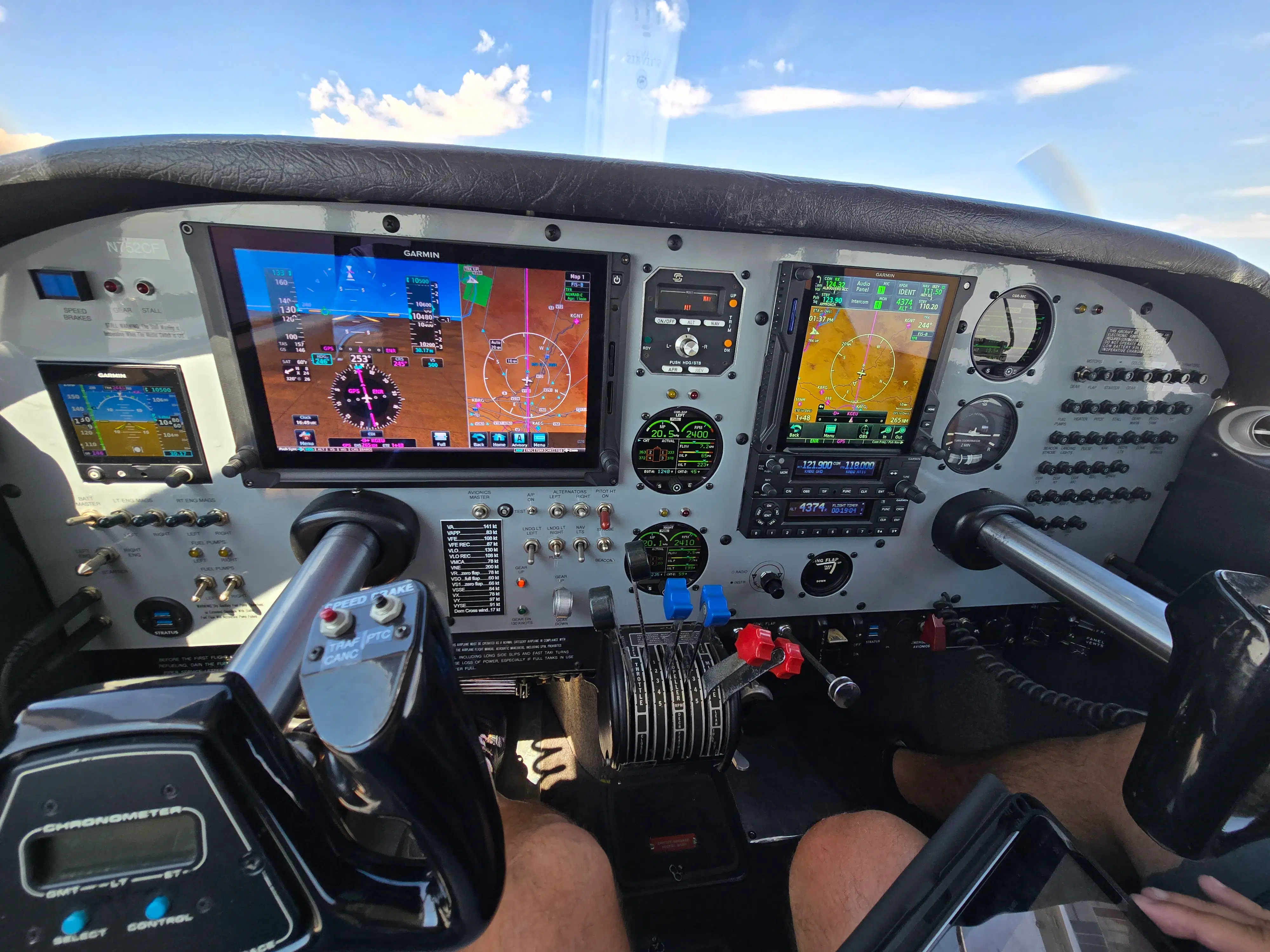
Don’t just memorize the "what": memorize the "how." For the Twin Comanche, you should be able to draw the fuel system and the landing gear electrical circuit from memory. Understanding the mechanical "why" behind a system allows you to troubleshoot issues in flight rather than just reacting to them.

5. Misunderstanding Vmc and Asymmetric Physics
Vmc (Minimum Controllable Airspeed) is perhaps the most misunderstood concept in multi-engine training. Pilots often memorize the definition but fail to understand the dynamic factors that change Vmc in real-time, such as density altitude, center of gravity, and bank angle.
The Fix: The "COMBATS" Method
To truly master Vmc, you must understand how the following factors affect your control authority:
Critical Engine Inoperative
Operating Engine at Max Power
Most Unfavorable Weight (Light)
Bank (Up to 5 degrees into the operative engine)
Arm (Aft Center of Gravity)
Takeoff Configuration (Gear up, Flaps up)
Standard Day (Sea Level)
Practicing Vmc recoveries should focus on the immediate reduction of power on the operating engine and the aggressive lowering of the nose to regain airspeed. Speed is your only friend when one engine fails.
6. Weak Crew Resource Management (CRM)
Even though your add-on is likely a single-pilot operation, the FAA and airline recruiters are looking for your ability to manage a "crew environment." This includes your use of standard callouts, checklist discipline, and situational awareness. Many pilots get "quiet" in the cockpit when they are stressed, which is a red flag for examiners.
The Fix: Single-Pilot CRM (Standardization)
Use standard operating procedures (SOPs) as if you were in a two-pilot cockpit. State your intentions out loud: "Airspeed alive, engine instruments in the green, 80 knots, V1, rotate." This verbalization keeps your brain engaged and demonstrates a professional, airline-ready mindset.
7. Neglecting Performance and Weight Limitations
The most dangerous assumption a multi-engine pilot can make is that the aircraft will climb on one engine. In reality, many light twins have a single-engine climb gradient that is marginal at best: or even negative: depending on the density altitude and weight.
The Fix: The Go/No-Go Calculation
Before every takeoff, calculate your Single-Engine Service Ceiling and your Single-Engine Rate of Climb.
If the climb rate is negative: Your "Engine Out" plan is no longer "climb to pattern altitude"; it is "land straight ahead."
Verify Weight and Balance: Multi-engine aircraft are highly sensitive to CG shifts. A rearward CG might make the plane faster, but it also increases Vmc, making the aircraft more difficult to control during an engine failure.

Conclusion: Elevate Your Training
Earning your multi-engine rating is about more than adding a line to your certificate. It is about developing the technical discipline required for professional aviation. By shifting from a "logging" mindset to a "mastery" mindset, you ensure that you aren't just prepared for the checkride, but for the rest of your career.
Stay tuned as we continue Multi-Engine Mastery Week. Up next, we take a deep dive into the specific V-speeds every multi-engine pilot needs to know by heart.
Ready to take the next step in your career? Explore our multi-engine flight training programs and get behind the controls of our advanced PA-30 Twin Comanche.

Comments