
Weekly FAA Safety Spotlight: Piper Forward Wing Spar Corrosion (NOTC4907)

Technical Overview of FAA Notice NOTC4907
The Federal Aviation Administration (FAA) has issued Notice NOTC4907 (April 2026) regarding reports of significant corrosion located on the forward wing spar attachments of several Piper aircraft models. This notice serves as an update to previous airworthiness concerns and emphasizes the necessity of rigorous inspection protocols for the Piper PA-28, PA-32, PA-34, and PA-44 series. Unlike previous safety communications that focused primarily on the aft wing spar and issues related to water entrapment, NOTC4907 highlights a specific vulnerability in the forward spar-to-fuselage attach fittings.
The primary technical concern involves galvanic corrosion occurring at the interface of dissimilar metals. The forward spar design utilizes steel attach fittings secured to aluminum spar structures. When these components are exposed to environmental moisture, particularly in high-humidity or coastal regions, the potential for electrolytic action increases, leading to the degradation of the aluminum spar material and the steel hardware.
Regulatory Reference and Background
This safety spotlight incorporates data from Special Airworthiness Information Bulletin (SAIB) AIR-21-10 and Piper Service Bulletin (SB) No. 1400A. While SAIB AIR-21-10 initially alerted the industry to potential corrosion in these areas, recent field reports documented in April 2026 indicate that the severity of the corrosion on the forward spar-to-fuselage attach fittings and rivet heads is exceeding previous estimates.
Operators of multi-engine Piper aircraft, such as the Seneca (PA-34) and Seminole (PA-44), must recognize that structural integrity in these zones is critical for maintaining the aerodynamic loads associated with asymmetric thrust and high-stress maneuvers. Information regarding the performance standards for these aircraft can be found in the Multi-Engine Training Series.

Affected Aircraft Models
The scope of NOTC4907 and SB 1400A includes a wide range of the Piper fleet. Pilots and maintenance technicians should verify the status of the following models:
PA-28 Series: Warrior, Archer, Dakota, and Cherokee variants.
PA-32 Series: Cherokee Six, Lance, and Saratoga.
PA-34 Series: Seneca (all variants).
PA-44 Series: Seminole.
The commonality among these models is the specific forward wing spar attachment configuration. Although the Piper PA-30 Twin Comanche, often used in training environments, is not explicitly listed in the primary NOTC4907 text for the forward spar, it shares similar design philosophies with other Piper light twins. Visual inspections of all Piper spar attachments remain a best practice for airworthiness.
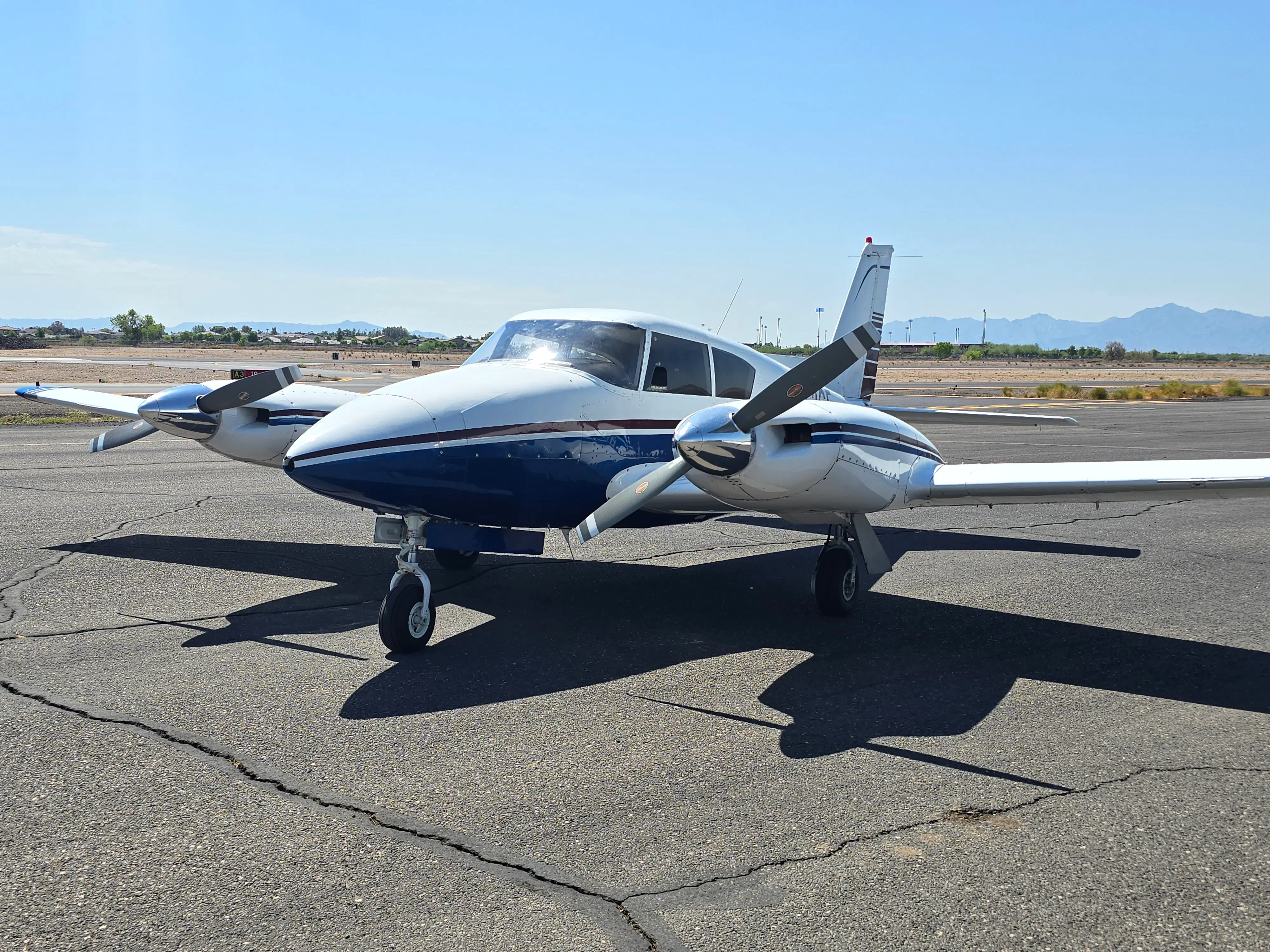
Identification of the Forward Wing Spar Attachment Area
The forward wing spar attachment is located at the leading edge section of the wing root where it interfaces with the fuselage. This area is notoriously difficult to inspect due to the presence of interior cabin fairings, insulation, and the proximity of fuel lines or electrical routing depending on the specific model configuration.
Under NOTC4907, the "affected area" specifically refers to:
Forward Spar-to-Fuselage Attach Fittings: The steel components that bridge the wing spar to the airframe structure.
Rivet Heads: The fasteners securing the steel fitting to the aluminum spar web and cap.
Aluminum Spar Web/Cap: The area immediately surrounding the steel fitting where galvanic action is most likely to occur.
The corrosion identified in recent reports was often found on the hidden faces of these components, requiring specialized inspection techniques to detect before structural failure or significant material loss occurs.
Inspection Procedures and Methodology
Piper Service Bulletin No. 1400A provides the authorized framework for inspecting these components. The inspection must be thorough and documented with precision.
Visual and Borescope Inspection
Due to the restricted access of the forward spar attachment, a standard visual inspection from the exterior is insufficient. Technicians must utilize:
High-intensity discharge (HID) or LED lighting to illuminate the junction between the steel fitting and the aluminum spar.
Precision mirrors to view the aft side of the forward attachment fitting.
Borescopes with high-resolution imaging capabilities to inspect the interior surfaces and the integrity of the rivet heads.
Inspection Criteria
The inspection focuses on identifying:
Exfoliation Corrosion: Visible lifting or flaking of the aluminum surface.
Pitting: Small cavities or holes in the metal surface, which indicate localized galvanic attack.
Ferrous Oxide (Rust): Indicating degradation of the steel attach fittings.
Corrosion Byproducts: White, powdery deposits (aluminum oxide) around rivet heads or at the junction of the two metals.

Reporting and Documentation Requirements
A critical component of NOTC4907 is the feedback loop to the FAA. The agency is collecting data to determine if further regulatory action, such as an Airworthiness Directive (AD), is required.
Data Collection
When an inspection is performed, the following data must be recorded:
Aircraft Serial Number: Essential for identifying specific production batches.
Total Time in Service (TTIS): To correlate corrosion severity with airframe age.
Environmental History: Whether the aircraft has been based in a "corrosive environment" (within 20 miles of saltwater or in high-humidity regions).
Photographic Evidence: Clear, high-resolution images of any identified corrosion.
Submission of Findings
All findings, whether positive (corrosion found) or negative (no corrosion found), should be reported to the FAA East Certification Branch. The primary point of contact is:
Nikholas Brito-Ross Aviation Safety Engineer FAA East Certification Branch
Documentation should be submitted as per the instructions in Notice NOTC4907 to ensure the FAA has a comprehensive data set for the affected fleet.
Corrective Actions and Maintenance Limitations
If corrosion is identified, the maintenance technician must refer to the Piper Structural Repair Manual (SRM) or SB 1400A for remediation steps.
Level 1 Corrosion: Light surface corrosion that can be removed by mechanical sanding or cleaning within the allowable material thickness limits defined by the manufacturer.
Level 2/3 Corrosion: Deep pitting or exfoliation that exceeds the minimum material thickness of the spar cap or web. In these instances, the component is unairworthy and requires replacement.
Treatment: After successful removal of Level 1 corrosion, the area must be treated with a chromate-conversion coating (such as Alodine) and a corrosion-inhibiting primer to prevent recurrence.
Technicians are cautioned against over-sanding, as the forward spar is a primary load-bearing member. Maintaining the structural integrity of the wing-to-fuselage joint is paramount for safety, particularly when considering the Forces Acting on an Aircraft during high-load phases of flight.

The Impact of Galvanic Corrosion in Aviation
Galvanic corrosion occurs when two dissimilar metals are in electrical contact in the presence of an electrolyte (moisture). In the Piper forward spar assembly, the aluminum spar acts as the anode and the steel fitting acts as the cathode. The aluminum, being the more "active" metal, will corrode preferentially to protect the steel.
This process is accelerated in aircraft that do not show signs of water intrusion. Even ambient humidity trapped between the fitting and the spar can facilitate the galvanic process. NOTC4907 emphasizes that the absence of visible leaks or water stains does not guarantee the absence of corrosion in these specific joints.
Strategic Maintenance Planning for Operators
Operators should integrate these inspections into their scheduled maintenance programs. While SB 1400A may be recommended by the manufacturer, the issuance of NOTC4907 indicates a high level of FAA concern that may precede mandatory compliance.
Pre-Inspection Prep: Remove necessary interior panels and clean the inspection area of any dust or debris that might mask fine pitting.
Tooling: Ensure borescopes are calibrated and capable of capturing clear images for FAA reporting.
Documentation: Maintain a dedicated log of spar inspections to facilitate future resale and to ensure compliance with Local Sitemap requirements for airworthiness record-keeping.
By following the technical guidelines set forth in FAA Notice NOTC4907 and Piper SB 1400A, operators can ensure the continued structural airworthiness of their aircraft and contribute to the safety data required by the FAA East Certification Branch to manage this fleet-wide issue.

Conclusion for Maintenance and Operations
The discovery of severe corrosion on the forward wing spar attachments of the PA-28, PA-32, PA-34, and PA-44 series necessitates immediate attention from the maintenance community. The technical details provided in NOTC4907 (April 2026) serve as a directive for thoroughness. Structural integrity is not a variable that allows for compromise; the forward wing spar remains one of the most critical components of the airframe. Ensuring its health through the application of SB 1400A and diligent reporting to Nikholas Brito-Ross at the FAA is the responsibility of every owner and technician operating these aircraft.
For further technical resources and sitemap information, please refer to the Sitemap Index.

Comments