
7 Mistakes You’re Making with Your Multi-Engine Add-On Checkride (and How to Fix Them)

Getting your multi-engine add-on is often the most rewarding phase of a pilot’s initial training. It’s the moment you graduate from light singles to the world of complex systems, increased speed, and the unique challenges of asymmetrical thrust. However, because many pilots approach the multi-engine add-on as a "quick" rating, they often fall into traps that can lead to a "pink slip" or, worse, an unsafe flying habit.
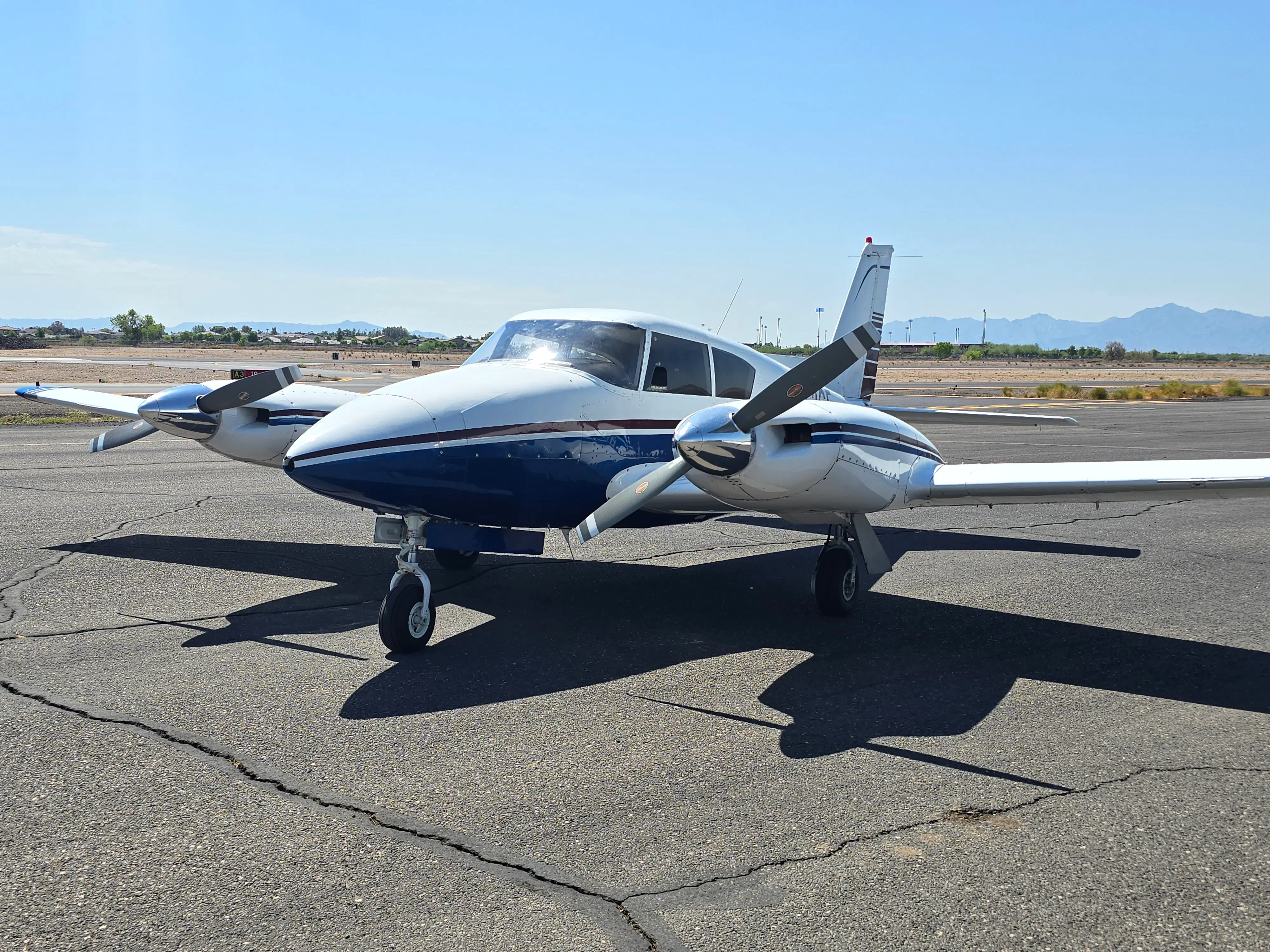
As part of our Multi-Engine Mastery Week, we’ve spent the last few days breaking down everything from V-Speeds to the specifics of our PA-30 Twin Comanche fleet. Today, we’re focusing on the finish line: the checkride.
Here are the seven most common mistakes pilots make during the Multi-Engine Add-On checkride and the professional strategies required to fix them.
1. Hesitation in the "Identify, Verify, Feather" Sequence
The most critical flow in any multi-engine aircraft occurs immediately after an engine failure. Many applicants lose points: or fail the maneuver: by rushing the process or, conversely, being too hesitant.
The Airman Certification Standards (ACS) require you to maintain directional control and airspeed while simultaneously identifying the failed engine. A common error is "foot-tapping": vaguely wondering which leg is working hard instead of decisively identifying "Dead foot, dead engine."
The Fix: Develop a rhythmic, physical flow.
Maintain Control: Pitch for Blue Line (Vyse) and use the rudder to stop the yaw.
Identify: Verbally state, "Dead foot, dead engine" based on which leg is not providing pressure.
Verify: Retard the throttle of the suspected dead engine slightly to ensure there is no change in yaw or engine sound.
Feather: Simulate or execute the feathering command (per DPE instructions).
Practice this as a muscle memory drill on the ground until it is reflexive. You can see more about these procedures in our Multi-Engine Training Series.
2. Misunderstanding the Vmc Demonstration Criteria
The Vmc (Minimum Controllable Airspeed) demonstration is often the "make or break" maneuver of the checkride. A common mistake is focusing purely on the airspeed indicator rather than the physical cues of the aircraft.
Pilots often wait too long to recover, hoping to see a specific number on the dial, or they fail to recognize the loss of directional control. Remember, Vmc is a moving target influenced by density altitude and weight.
The Fix: Understand that the recovery must be initiated at the first sign of either:
An uncontrollable loss of directional control (the nose begins to yaw toward the dead engine despite full rudder).
First indication of a stall (buffeting or stall warning).
Recovery involves simultaneously reducing power on the operative engine and reducing the angle of attack. Do not try to "muscle" the airplane straight once the rudder is floored; the ACS demands a prompt and correct recovery to maintain safety.

3. Inadequate Single-Engine Performance Calculations
Checkrides are won or lost on the ground before the engines even start. A frequent mistake is failing to accurately calculate the single-engine climb gradient or service ceiling for the day’s specific density altitude.
In a light twin like the Piper Twin Comanche, single-engine performance is often marginal. If you can't tell the examiner exactly what the aircraft is capable of doing if an engine fails at 2,000 feet MSL on a 90-degree day, you haven't done your homework.
The Fix: Utilize the POH/AFM to create a "Go/No-Go" performance card for your checkride. Know your Single-Engine Absolute Ceiling and Single-Engine Service Ceiling. If the density altitude is higher than your service ceiling, you need to be prepared to explain how that changes your emergency plan. This technical depth is what differentiates a "license seeker" from a professional aviator.
4. Poor Drag Management and Configuration Discipline
In a single-engine emergency, drag is your greatest enemy. Many applicants fail because they leave the landing gear down or flaps extended while trying to climb on one engine. In most light twins, the aircraft will simply not climb: and may even lose altitude: if the gear is down and the propeller is windmilling.
The Fix: Strictly follow the "Clean Up" flow. Once you have identified and verified the failed engine, ensure the gear and flaps are up before attempting to maneuver for a landing.
Gear: Confirm retracted.
Flaps: Confirm retracted.
Propeller: Feathered.
Maintaining a "zero side-slip" condition (approximately 2-3 degrees of bank into the operative engine and the ball slightly out of center toward the operative engine) is also vital to reducing drag and maximizing performance.
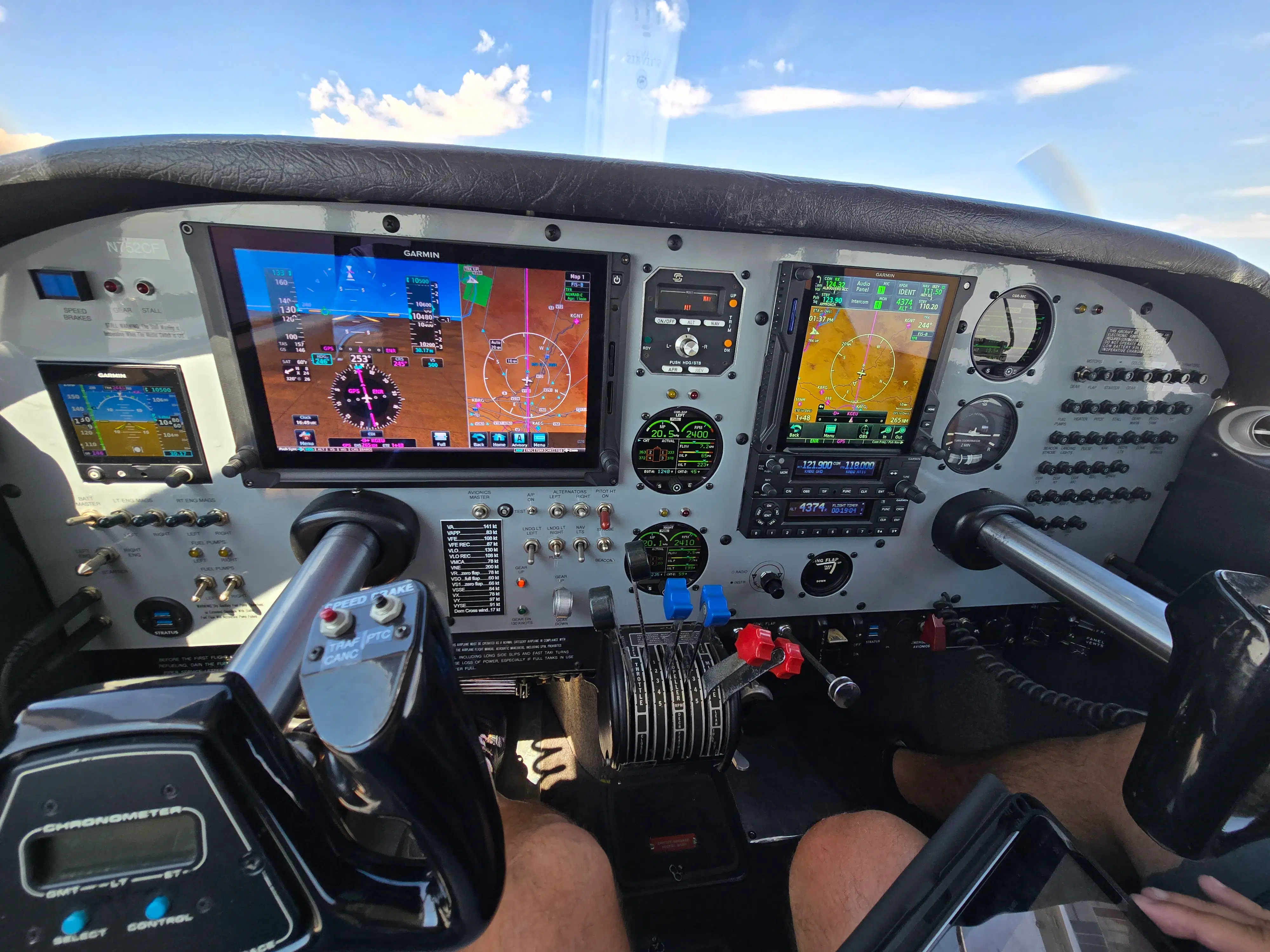
5. Failing to Stabilize the Instrument Approach (One Engine Inoperative)
The single-engine instrument approach is arguably the highest-workload task of the checkride. Pilots often make the mistake of over-controlling the aircraft, leading to "chasing the needles." If you are not stabilized by the Final Approach Fix (FAF), the approach is likely to fall apart as you descend.
The Fix: Apply the "Small Changes" rule. With one engine out, every power change induces a yaw change.
Get the aircraft configured early.
Find the power setting that holds Blue Line on the glidepath and leave it there.
If you must go missed, remember that a single-engine go-around is a high-risk maneuver. If the conditions don't allow for a safe landing, execute the missed approach procedure exactly as briefed, prioritizing climb over navigation until the aircraft is under control.
For more on mastering these standards, refer to our guide on Mastering the ACS Appendices.
6. Improper Engine Restart Discipline
During the checkride, the examiner will likely have you demonstrate a mid-air restart after a simulated feathering. A common mistake is rushing the restart, which can lead to engine flooding or excessive wear on the starter.
The Fix: Follow the checklist precisely. Do not attempt to "quick-start" the engine.
Airspeed: Ensure you are within the restart envelope.
Fuel: Selectors on, pumps on.
Throttle/Mixture: Set correctly for the altitude.
Cooling: Once the engine starts, let it warm up at low power before bringing it back to cruise settings.
Over-priming is a frequent issue in the Twin Comanche; if the engine doesn't fire immediately, take a breath and check your mixture setting.

7. Lack of Clear Communication and "CFA" (Call For Action)
The DPE (Designated Pilot Examiner) is there to evaluate your PIC (Pilot-in-Command) authority. A common mistake is acting like a passenger in your own checkride. If you aren't sure if the examiner wants a full feather or a simulated one, or if you aren't clear on the "touch-and-go" policy for the day, you are setting yourself up for confusion.
The Fix: Conduct a thorough pre-flight briefing with the examiner. Treat them like a qualified co-pilot or a high-ranking passenger.
Brief the Maneuvers: "For the Vmc demo, I will recover at the first sign of loss of control or stall."
Brief the Emergencies: "In the event of an actual engine failure below 1,000 feet, we will land straight ahead."
Callouts: Use verbal callouts for every checklist item. This gives the DPE confidence that you are following a structured process.
Conclusion: Professionalism Over Proficiency
The Multi-Engine Add-On checkride is a test of your ability to manage a complex machine under pressure. It isn't just about moving the levers; it’s about demonstrating the judgment required for a career in aviation. By avoiding these seven common pitfalls, you show the examiner that you aren't just a pilot: you’re a professional.
If you’re ready to sharpen your skills and get checkride-ready in a modern, well-maintained PA-30 Twin Comanche, reach out to us at Ace Pilot Academy. Our accelerated programs are designed for career-focused aviators who want to master the multi-engine environment efficiently and safely.
Stay tuned for the rest of Multi-Engine Mastery Week as we continue to dive into the technical details that keep you ahead of the airplane. If you have questions about your upcoming checkride, don't hesitate to contact us.

Comments