
7 Mistakes You’re Making with Your Multi-Engine Add-On Checkride (And How to Fix Them)
- Jeff Gerencser
- Apr 7
- 6 min read

Getting your Multi-Engine Rating is a pivotal moment in any aviator's career. It’s the gateway to the airlines, corporate flight departments, and high-performance cross-country travel. However, the checkride: specifically the Commercial Multi-Engine Add-On: is a high-intensity evaluation that catches many well-prepared pilots off guard.
The transition from a single-engine mindset to managing a twin requires more than just learning how to handle a second throttle. It requires a fundamental shift in how you prioritize tasks, manage emergencies, and maintain directional control. As part of our Multi-Engine Mastery Week, we are diving deep into the technical errors that lead to "unsats" and how you can avoid them to secure your certificate.
1. Falling Below the Blue Line (Vyse)
The most common and dangerous mistake is allowing airspeed to bleed off during engine-out operations. In a single-engine airplane, losing an engine means you’re a glider. In a multi-engine airplane, losing an engine means you are now flying a high-drag, low-performance machine that wants to turn toward the dead engine.
The Mistake: During the simulated engine failure (either on takeoff or in flight), many candidates become so fixated on the "Identify/Verify" flow that they neglect pitch control. If the airspeed drops below Vyse (Best Single-Engine Rate of Climb), the aircraft's performance atrophies rapidly. Even worse, if speed drops toward Vmc (Minimum Controllable Airspeed), you risk a loss of directional control.
The Fix:
Pitch for the Blue Line: The moment an engine "fails," your primary responsibility is directional control and pitch.
Nose Down: Don't be afraid to push the nose down to maintain Vyse. Altitude is secondary to airspeed when you are close to Vmc.
Consistency: Train yourself to keep the needle glued to the blue line throughout the entire engine-out profile until you are stabilized on an approach or have reached a safe maneuvering altitude.

2. Misidentifying the Inoperative Engine
It sounds simple on paper, but in the heat of a checkride, the "Adrenaline Dump" can cause even seasoned pilots to misidentify which engine has quit.
The Mistake: A pilot feels a yaw, looks at the engine gauges, sees a fluctuating tachometer or oil pressure gauge, and immediately reaches for a lever. In many cases, they end up feathering the "live" engine, turning a manageable emergency into a dual-engine failure.
The Fix:
"Dead Foot, Dead Engine": This is the gold standard for a reason. If you are pushing hard with your right foot to keep the ball centered, the left engine is dead.
The Verification Step: Never feather a prop or shut down an engine without verifying. Once you identify the "dead" side, retard that throttle slightly to ensure there is no change in aircraft performance. Only after this verification should you move to the "Secure" or "Feather" checklist.
Ignore the Gauges Initially: In many twins, like the PA-30 Twin Comanche, engine gauges can be deceptive or slow to react. Trust your feet first.
3. Treating the Cockpit Like a Library
The Airman Certification Standards (ACS) are clear about which tasks can be performed with a checklist and which must be executed from memory.
The Mistake: Attempting to read a step-by-step "How-To" for a Vmc Demonstration or a Stall Recovery while in the middle of the maneuver. This shows a lack of preparation and an inability to maintain situational awareness.
The Fix:
Commit to Memory: Maneuvers such as Steep Turns, Slow Flight, Vmc Demos, and Power-On/Off Stalls must be executed by memory. You should know the power settings, entry speeds, and recovery procedures by heart.
Use Checklists Appropriately: Checklists are for verifying that an aircraft configuration is correct (e.g., "In-Range Checklist" or "Engine Failure in Flight Checklist"). They are not instructional manuals for flight maneuvers.
Flow Patterns: Develop a cockpit "flow" for every phase of flight. Run the flow, then back it up with the printed checklist to ensure nothing was missed.
4. Fighting the Avionics
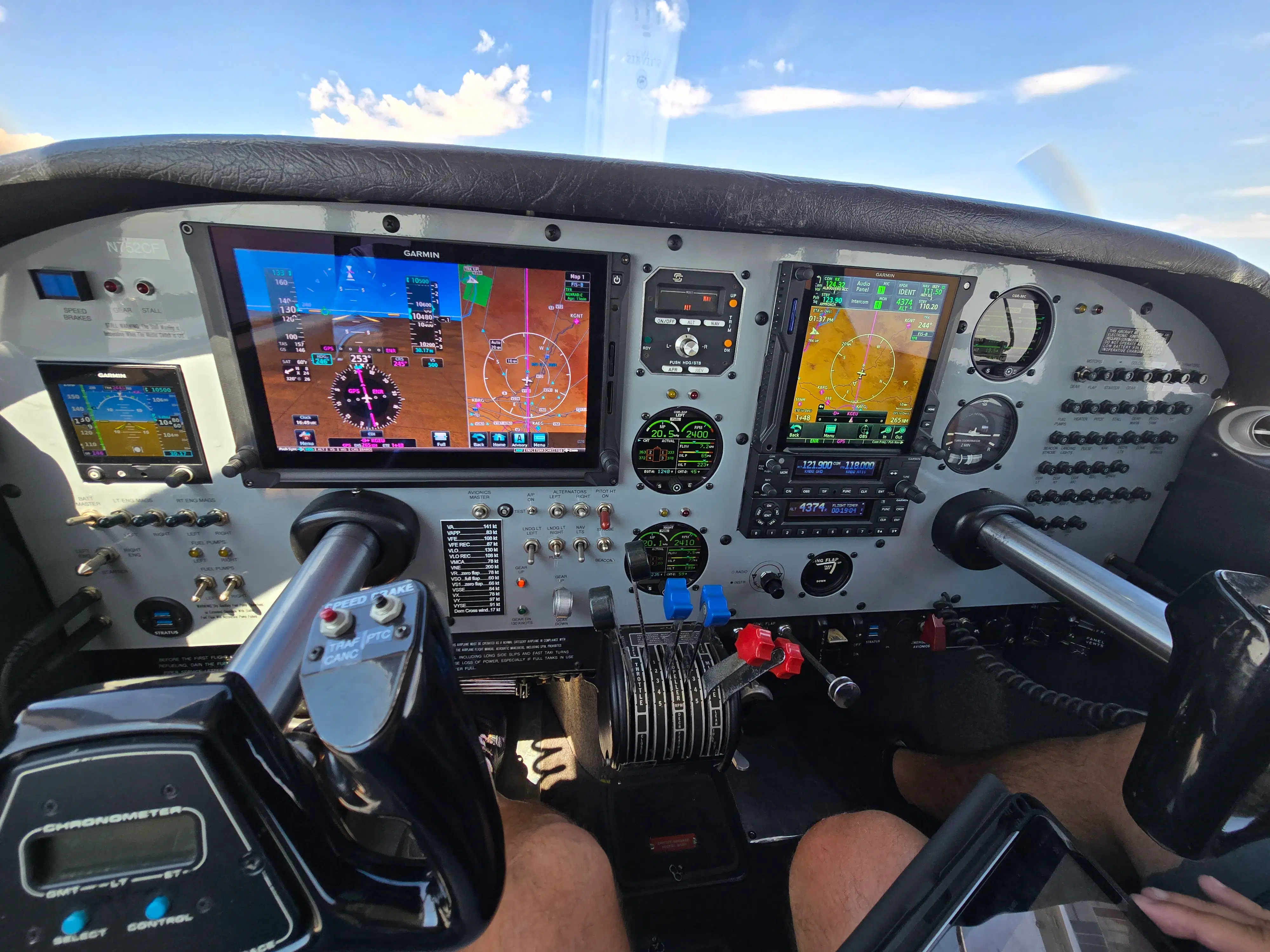
Modern multi-engine trainers are often equipped with advanced glass cockpits, such as the Garmin G1000. While these systems provide incredible situational awareness, they can also be a major distraction if you aren't proficient.
The Mistake: Getting "buried" in the screens. Candidates often spend too much time trying to program a flight plan or find a specific frequency while the aircraft drifts off its assigned heading or altitude.
The Fix:
Pre-Flight Study: Don't show up to the checkride without knowing how to use the specific GPS or MFD installed in the plane.
Simplify: During the checkride, keep the avionics simple. Use the "Nearest" function if you get overwhelmed, and don't be afraid to hand-fly the airplane if the autopilot is causing more stress than help.
Eyes Outside: Remember that the Multi-Engine Add-On is still a VFR checkride (unless you are doing the instrument portion). You must keep your head outside to clear for traffic and maintain orientation.
5. Communication and "Pilot in Command" Mindset
The Designated Pilot Examiner (DPE) is looking for more than just stick-and-rudder skills; they are looking for a Pilot in Command (PIC).
The Mistake: Being passive. This includes failing to obtain ATIS, missing radio calls, or not briefing the examiner on what you are doing during an emergency simulation.
The Fix:
Brief the Maneuver: Before performing an engine failure simulation, tell the examiner exactly what you are going to do. "I am going to maintain directional control, pitch for Vyse, identify, verify, and simulate feathering."
Standard Operating Procedures (SOPs): Follow professional communication standards. If you are operating at a busy airport, treat every radio call as if you are flying for a major carrier.
Stay Ahead: If you find yourself reacting to the airplane rather than proacting, take a breath and reset. The DPE wants to see that you can manage the workload without falling behind the "power curve" of the mission.
6. Botching the OEI (One Engine Inoperative) Instrument Approach
If you are seeking instrument privileges with your multi-engine rating, the OEI approach is usually the "make or break" moment of the ride.
The Mistake: Failing to account for the reduced performance and increased workload. Common errors include forgetting to start the timer on a non-precision approach, losing track of the localizer while managing rudder pressure, or failing to execute a timely missed approach.
The Fix:
Drag Management: Only put the gear down when you are certain you can make the runway. In many light twins, extending the gear with an engine out will create a descent rate that you cannot recover from.
The "Dead Foot" Reminder: During the approach, your leg will get tired. If you let that rudder pressure slip, the airplane will yaw, the drag will increase, and you will fall off the approach path.
Stabilized Approach: If you aren't stabilized by the Final Approach Fix (FAF), or if you lose the needle, go around (if performance permits) or declare a missed approach. The DPE values the decision to go around more than a "saved" unstable approach.
7. Poor Engine Restart Procedures
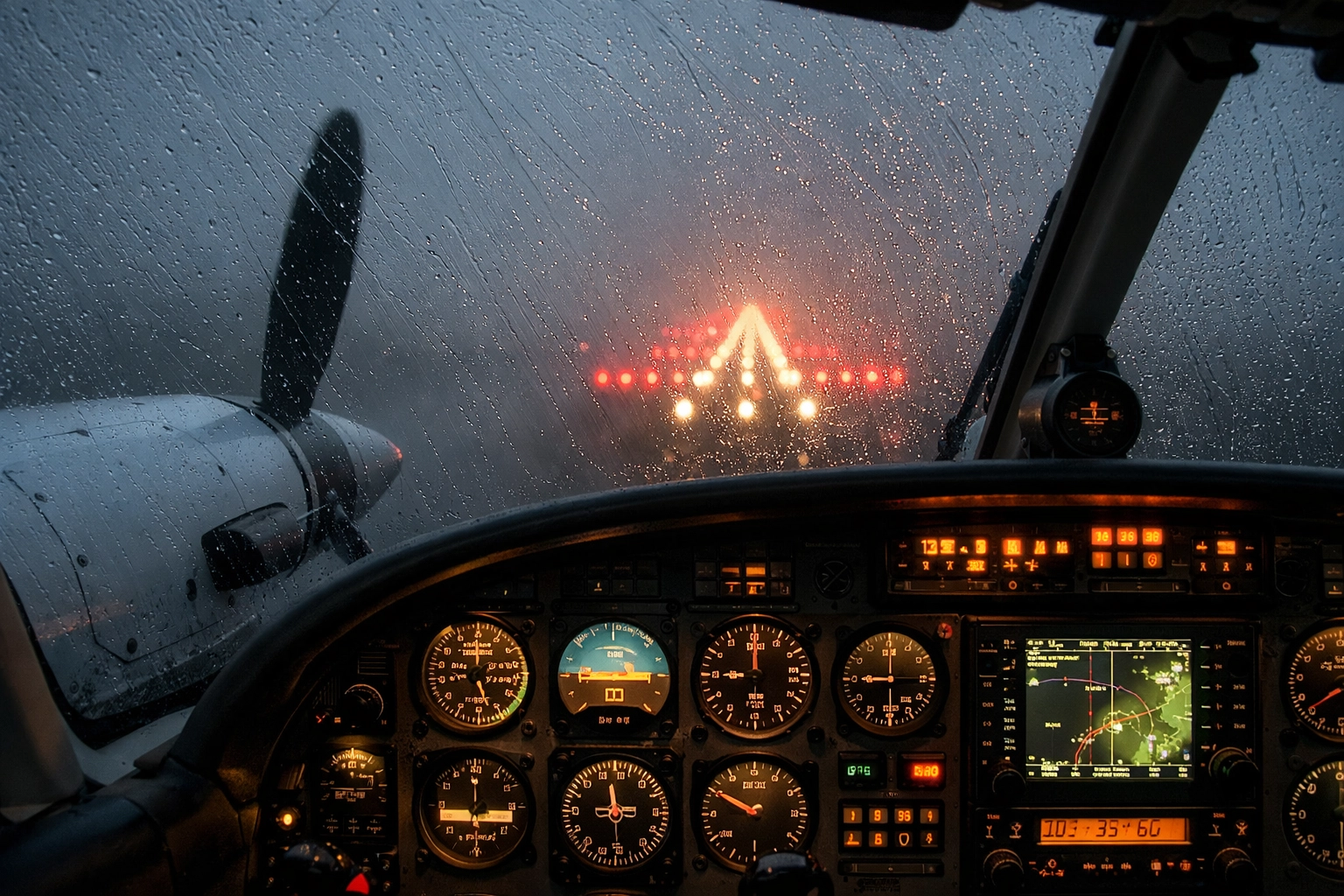
In a checkride, you will eventually have to restart the engine that was "shut down" for the OEI maneuvers.
The Mistake: Rushing the restart. Pilots often forget to prime, or they over-prime a hot engine, leading to a "flooded" situation where the engine won't fire. This creates unnecessary stress and wastes valuable time.
The Fix:
Follow the POH: Know the "Restart in Flight" procedures for your specific aircraft. The Piper PA-30 Twin Comanche has specific quirks regarding fuel pumps and throttle positions for hot starts.
Patience: If the engine doesn't start on the first few blades, don't just keep cranking. Analyze why. Did you forget the magnetos? Is the fuel selector in the right position?
Cooling: Remember that the engine has been sitting in the slipstream getting cold. Give it a moment to warm up at a low power setting before slamming the throttle forward to catch up with the other engine.
Conclusion: Fly the Airplane First
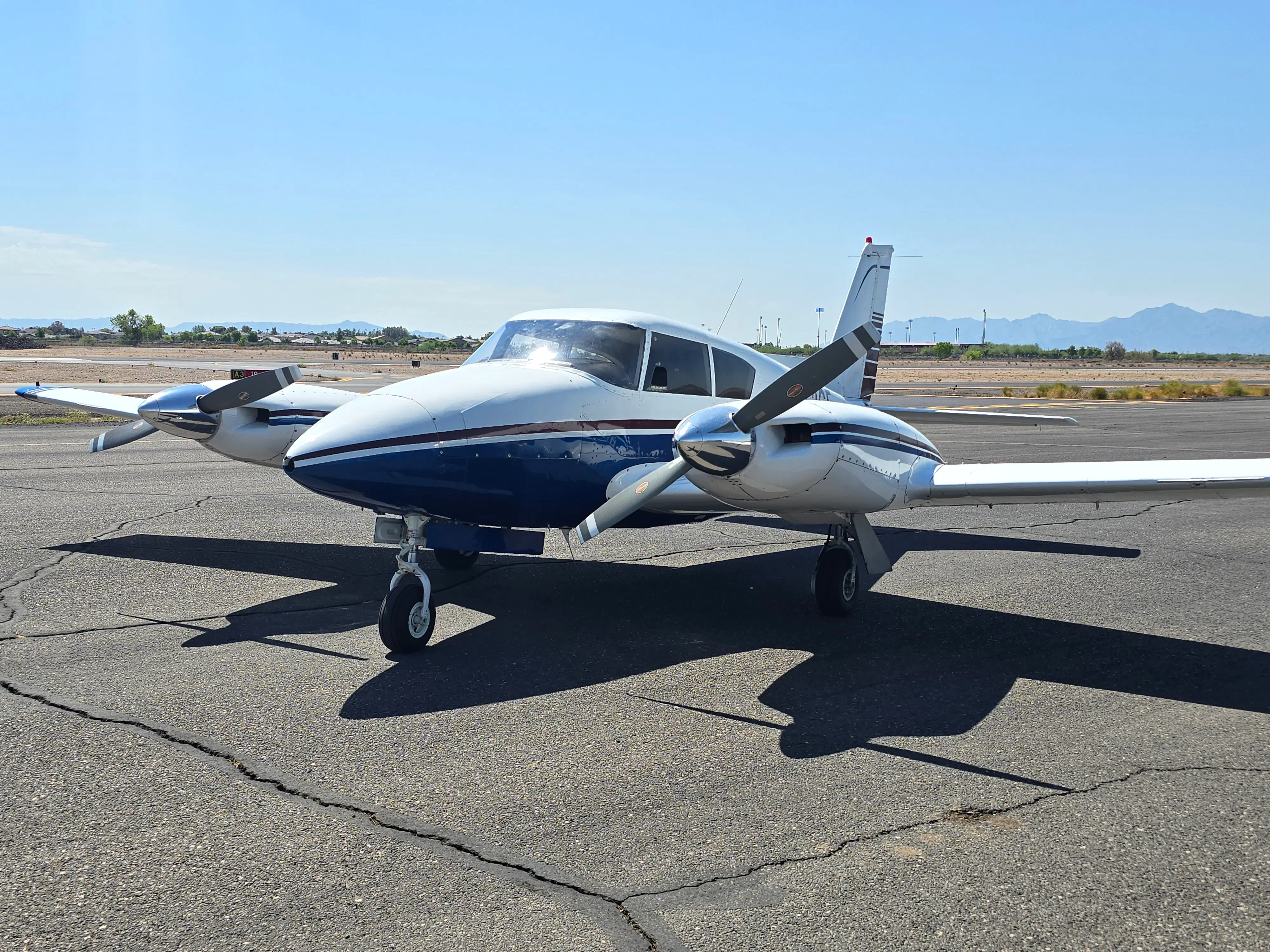
The common thread in all these mistakes is a failure to prioritize Aviate, Navigate, Communicate. In a multi-engine aircraft, "Aviate" specifically means maintaining directional control and airspeed above Vmc.
Your checkride is a demonstration of your ability to manage the complexity of two engines while maintaining the standards of a professional pilot. By focusing on these seven areas, you can turn a stressful evaluation into a smooth demonstration of mastery.
If you're looking for more technical breakdowns, don't miss our guide on Multi-Engine V-Speeds or our deep dive into Accelerated Training.
Success in the multi-engine world isn't about luck; it's about disciplined procedures and a deep understanding of your aircraft's limitations. Study hard, practice your flows, and keep that blue line in sight.

Comments