
5 Steps How to Prep and Ace Your Commercial Multi-Engine Add-On Checkride
- Jeff Gerencser
- Apr 4
- 5 min read

Welcome to the final installment of Multi-Engine Mastery Week. Over the last four days, we’ve broken down V-speeds, mastered the nuances of the Twin Comanche, debated the merits of accelerated training, and looked at the long-term career benefits of multi-engine time building.
Today, we bring it all home. The Commercial Multi-Engine Add-On checkride is a unique beast. Unlike your initial private or commercial certificates, this checkride isn't about proving you can fly a rectangular pattern or navigate a cross-country. The Designated Pilot Examiner (DPE) already knows you can fly. What they need to know is if you can manage an aircraft when things go south: specifically, when half your power disappears at the worst possible moment.
Here are the five essential steps to preparing for and acing your multi-engine add-on.
1. Know the ACS Tasks (And Nothing Else)
The most common mistake candidates make on an add-on checkride is over-studying the wrong material. This is a "Commercial-Airplane Multi-Engine Land" rating added to an existing certificate. Per the FAA Airman Certification Standards (ACS), the DPE is generally limited to testing the tasks specific to multi-engine operations.
You likely won’t be asked to perform eights-on-pylons or a soft-field landing unless it's specifically required by the DPE’s discretion for the "Add-On" table in the ACS. Your focus must be laser-sharp on:
Preflight Procedures: Weight and balance, performance, and limitations.
Multi-Engine Maneuvers: Vmc demonstrations and drag demonstrations.
Emergency Operations: Engine failure during takeoff, approach, and landing.
One-Engine Inoperative (OEI) Practice: This is the core of the checkride.
Read the ACS document front to back. Know the tolerances. For the Commercial Multi-Engine checkride, you are typically looking at +/- 100 feet on altitude and +/- 10 knots on airspeed. Knowing the "grade sheet" before you walk into the room removes the mystery and builds confidence.
2. Master V-Speeds and Memory Items
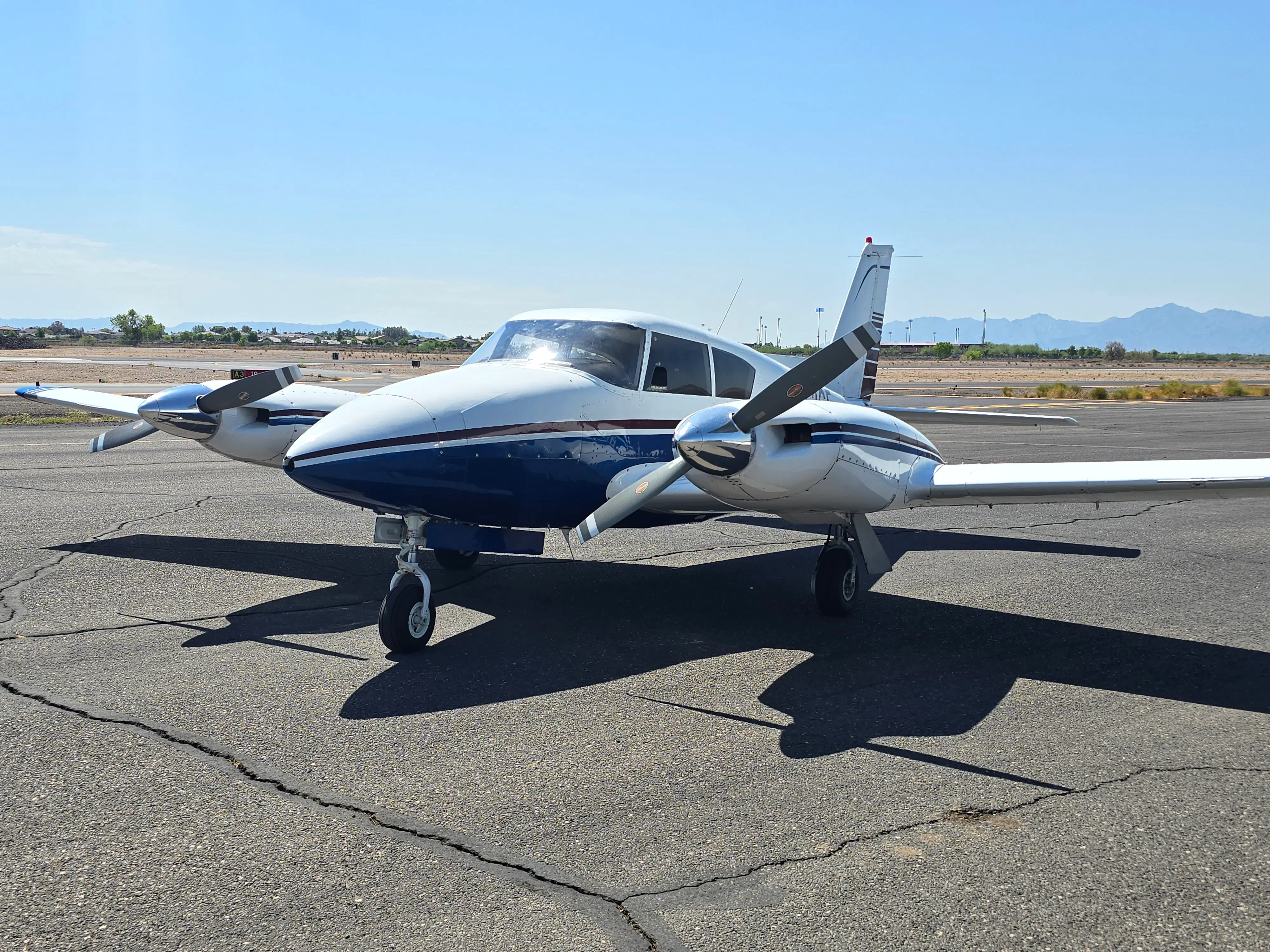
In a light twin like our PA-30 Twin Comanche, time is your enemy during an engine failure. You do not have the luxury of pulling out a checklist when you’re 500 feet Above Ground Level (AGL) with the nose yawing violently toward a dead engine.
You must have your V-speeds and memory items memorized to the point of instinct. If you have to think about what "Blue Line" is, you’ve already fallen behind the airplane.
The Critical Numbers
Vmc (Red Line): Minimum controllable airspeed with the critical engine inoperative.
Vyse (Blue Line): Best rate of climb with one engine inoperative. This is your "target" for almost every emergency scenario.
Vsse: Intentional one-engine inoperative speed. The minimum speed at which you should intentionally shut down an engine for training.
In most light twins, losing an engine results in an 80% to 90% loss of climb performance. You aren't just losing half your power; you're losing almost all of your performance. Precise knowledge of these numbers is the difference between a successful go-around and a controlled (or uncontrolled) descent into the trees. Check out our Multi-Engine Training Series for a deeper dive into these aerodynamics.
3. Understand "Dead Foot, Dead Engine"
Identification is where many pilots fail. In the heat of the moment, the adrenaline spike can cause you to feather the wrong engine: a mistake that is both an immediate checkride failure and a catastrophic real-world error.
The "Dead Foot, Dead Engine" principle is your primary safeguard. If the left engine fails, the aircraft will yaw left. You will have to stomp on the right rudder to maintain directional control. Your left foot will be doing nothing: it is the "dead foot." Therefore, the left engine is the "dead engine."
The Response Sequence
Maintain Control: Stop the yaw with the rudder. Pitch for Vyse (Blue Line).
Max Power: Mix, Props, Throttles forward. Flaps up, Gear up.
Identify: "Dead foot, dead engine."
Verify: Smoothly retard the throttle of the suspected dead engine. If nothing changes, you’ve identified correctly.
Feather/Secure: Follow the FAA Airplane Flying Handbook procedures to feather the prop and secure the engine.

4. Master Vmc Aerodynamics and Performance
The DPE will expect you to discuss Vmc at length during the oral exam. You need to understand that Vmc is not a static number: it is a dynamic speed that changes based on several factors.
Most pilots memorize the acronym COMBATS to remember the factors that determine Vmc during aircraft certification:
Critical engine windmilling.
Operating engine at max takeoff power.
Maximum takeoff weight (actually, Vmc is higher at a lighter weight, which is a common "gotcha").
Bank of no more than 5 degrees.
Aft-most Center of Gravity (CG).
Takeoff configuration (flaps/gear).
Standard day (Sea level).
You must be able to explain why an aft CG makes Vmc higher (shorter rudder arm) or why banking 5 degrees into the operative engine lowers Vmc (utilizing the horizontal component of lift to assist the rudder).
5. Schedule a Mock Checkride
Don't let the first time you feel the "DPE jitters" be the actual checkride. At Ace Pilot Academy, we highly recommend a stage check or mock checkride with a different instructor. A fresh set of eyes will catch the "slop" that your primary instructor might have grown used to.
What the Mock Checkride Should Evaluate:
Stress Management: Can you handle a simulated engine failure while ATC is giving you a frequency change and a heading?
Precision: Are you holding Blue Line within 5 knots, or are you wandering?
Single-Engine Approaches: Can you manage the descent profile and energy to make the runway on the first try? There are no second chances on a single-engine approach.
Decision Making: If an engine fails on the upwind, do you know the exact "go/no-go" point for your specific runway length?
The oral exam for an add-on usually lasts 1.5 to 2 hours, followed by a 1.2 to 1.5-hour flight. It is physically and mentally draining. Preparing with a mock checkride builds the stamina you need to stay sharp until the final engine shutdown.
First Things First: Get Started
The Commercial Multi-Engine Add-On is often cited by pilots as the most fun: and most challenging: rating they earn. It transforms you from a pilot into a "systems manager." You are no longer just flying; you are managing a complex machine and weighing the physics of asymmetrical thrust.
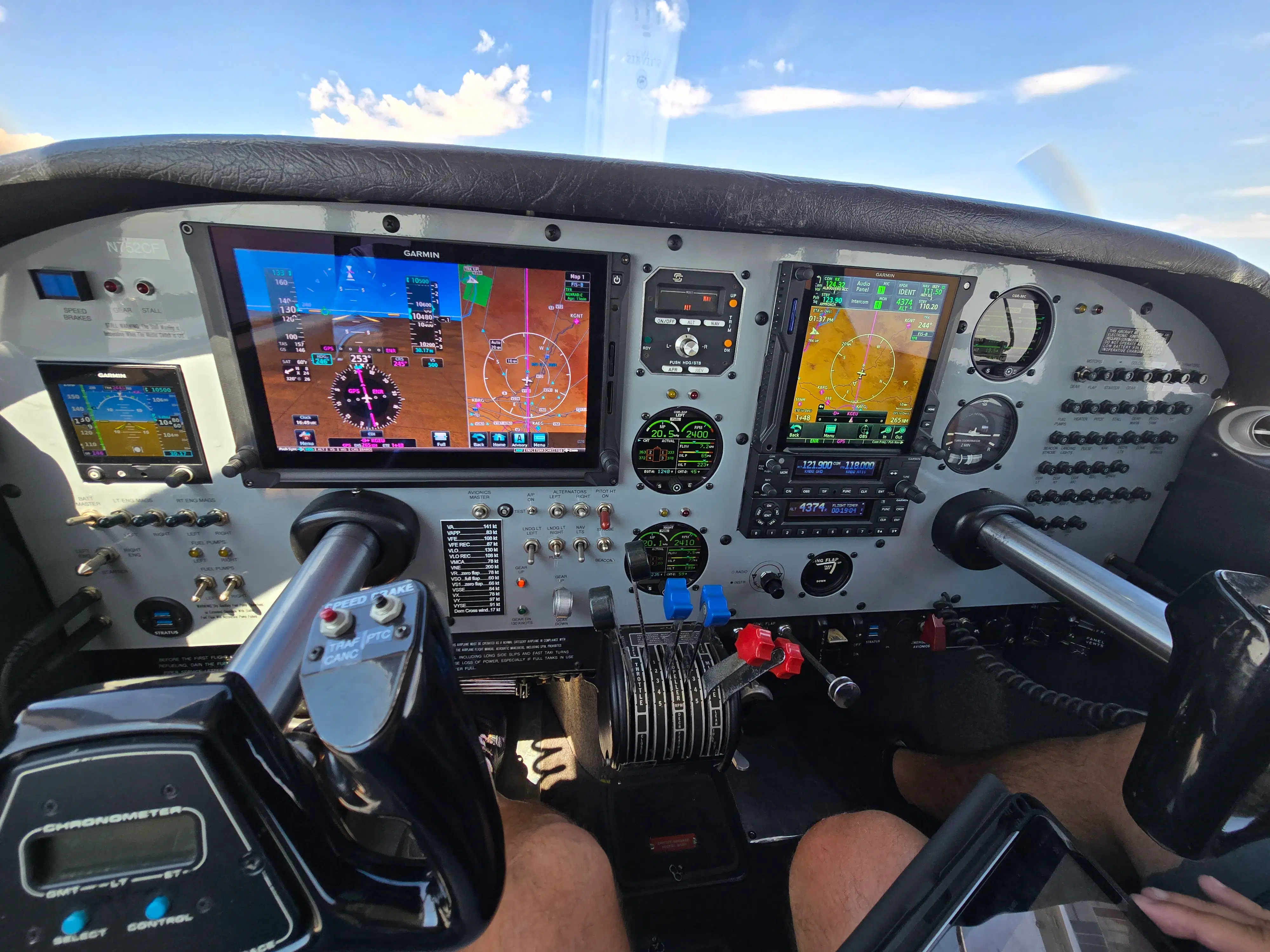
If you are ready to take the next step in your career and move into the world of multi-engine flying, we are here to help. Whether you want to train in our G1000-equipped Twin Comanche or just need some high-quality ground instruction, Ace Pilot Academy has the tools to get you across the finish line.
Ready to fly?Contact us today to schedule your multi-engine transition or browse our available courses.
Multi-Engine Mastery Week Recap:
Friday: Prepping for your Commercial Multi-Engine Add-On Checkride (You are here!)
Blue skies and fly safe.

Comments