
Zero Sideslip: The "Invisible" Skill That Saves Your Engine (And Your Career)
- Jeff Gerencser
- Jun 8
- 4 min read

If you want to separate a pilot who is just trying to survive a checkride from one who is building real professional habits, watch what happens after an engine failure in a light twin. I’ve seen it hundreds of times from the right seat as a retired Designated Pilot Examiner. The candidate gets the airplane under control, steps on the rudder, pitches for blue line, and then starts working hard to center the ball.
That sounds disciplined, but in many cases it is exactly where performance starts slipping away.
Zero sideslip is one of those skills that does not look dramatic from the cockpit, but it makes a real difference when you are trying to extract every bit of single-engine performance out of the airplane. If you are serious about a multi engine rating, advancing through airline pilot training, or simply becoming a more capable aviator, this is not optional knowledge. It is part of flying a twin correctly.
When you lose an engine in a PA-30 or any other light twin, the airplane does not just roll. It yaws aggressively because of asymmetric thrust. Most pilots understand the need for rudder, but the mistake is assuming that rudder alone, with the wings held level and the ball centered, produces the best result. It often does not. In fact, that can leave the airplane in a sideslip toward the inoperative engine, increasing drag when performance is already limited.
That is why the FAA’s guidance matters. The Airplane Flying Handbook explains that the best single-engine performance comes from establishing zero sideslip, not from chasing a perfectly centered ball in the conventional sense. In practical terms, that means using a slight bank into the operating engine and allowing the inclinometer ball to sit slightly off center.
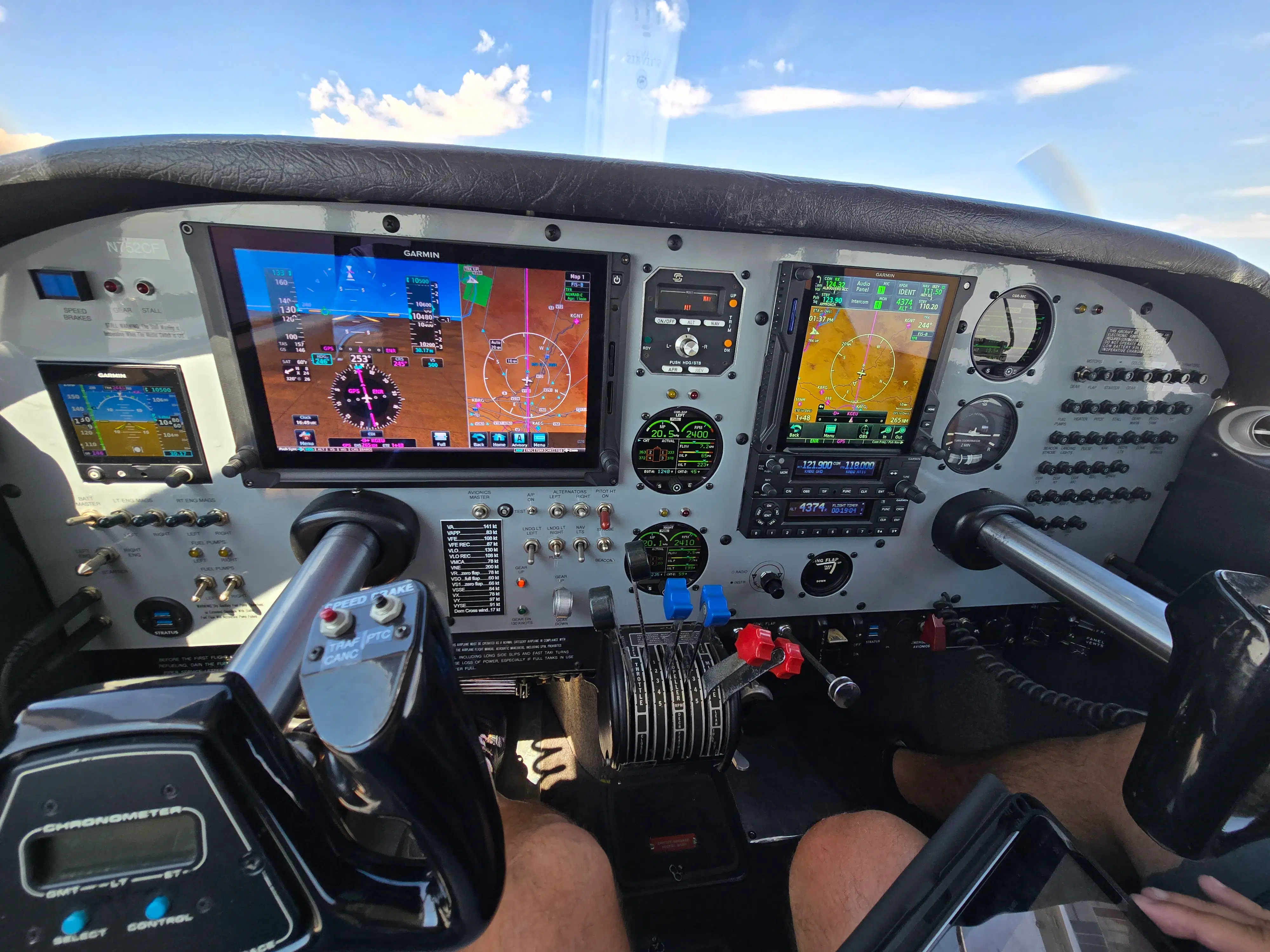
The technique is straightforward, but it has to be understood and practiced correctly. For zero sideslip, you want approximately 2 to 5 degrees of bank into the operating engine and about 1/3 to 1/2 ball toward the operating engine. That small bank creates a horizontal component of lift that helps offset asymmetric thrust, while the ball position confirms that you are not simply forcing the airplane straight with rudder and dragging the fuselage sideways through the relative wind.
I explain it to students like this: if you do not establish zero sideslip, the airplane is effectively presenting its side to the airflow like a barn door. That creates drag you cannot afford. In a single-engine scenario, drag is not a small detail. It is often the difference between maintaining climb performance and watching it disappear.
This is especially important in the PA-30 Twin Comanche, which is why we emphasize it so heavily in our multi engine flight training at Ace Pilot Academy. The Twin Comanche is efficient, responsive, and honest. It rewards precision and exposes sloppiness quickly. If you are flying with the wrong bank and the wrong slip/skid picture, you will see it in the airplane’s performance. In practical terms, failing to establish zero sideslip in a Twin Comanche can cost you roughly 100 to 200 feet per minute of climb. When your available single-engine climb rate may only be a few hundred feet per minute to begin with, that is not a rounding error. That is a major performance loss.
For career pilots, that should get your attention. A professional standard is not just keeping the airplane upright. It is understanding how to optimize what the airplane can still do after something goes wrong.
As a retired DPE, that was always one of the things I watched closely on a checkride. I was not just evaluating whether the applicant could identify the failed engine and maintain directional control. I wanted to see whether they understood the aerodynamic reason behind the correct control inputs. The Airman Certification Standard (ACS) requires applicants to maintain control and manage the airplane properly during engine-out operations. That includes performance awareness. If I saw someone fixated on centering the ball without understanding zero sideslip, it told me they were memorizing motions instead of actually understanding the airplane.
That matters far beyond the checkride. In airline pilot training, nobody is looking for robotic control movements with no explanation behind them. They want pilots who understand energy, drag, thrust, and aircraft control at a deeper level. The habits you build now in a piston twin carry forward into every advanced airplane you fly later. Precision is not a checkride trick. It is a career skill.

This is also one reason accelerated training works so well when it is done correctly. Skills like zero sideslip are not mastered by talking about them once and revisiting them three weeks later. They are built through repetition, coaching, and immediate feedback. In our accelerated programs, we keep students immersed so the sight picture, control pressures, and performance cues become familiar fast. That is how you move from “I know the answer” to “I can do it consistently.”
We also use animated online training courses so students can show up prepared and spend more of their in-aircraft time focused on application instead of trying to decode dry material. The goal is simple: make your training efficient, FAA-compliant, and directly connected to checkride and career success.
If you are working toward a multi engine rating, preparing for a professional program, or looking for serious multi engine flight training in a proven PA-30 Twin Comanche, this is exactly the level of detail you should expect. The little things are what separate average pilots from professional ones, and zero sideslip is one of those little things that carries a big payoff.
If you want to get ahead on the technical side, start with our Multi-Engine Performance and Limitations course. If you are ready to train in the airplane, contact us today. Whether your goal is a checkride, better systems knowledge, or the next step toward airline pilot training, we’ll help you build the habits that make you sharper, safer, and more competitive.
Don’t just train to pass. Train to fly like a pro.

Comments