
The Checkride Paperwork Audit: A CFI’s Survival Guide
- Jeff Gerencser
- Apr 22
- 5 min read

The checkride does not begin when the engine starts. It does not even begin when the oral exam starts. For a flight instructor, the checkride begins the moment you and your student sit down with the Designated Pilot Examiner (DPE) to review the paperwork.
If the paperwork is wrong, the checkride is over before it begins. A paperwork rejection is more than just a scheduling headache; it is a professional failure that reflects poorly on the instructor’s attention to detail and can significantly delay a student's career progression. In a high-stakes environment like multi engine flight training or professional pilot programs, efficiency and accuracy are non-negotiable.
This guide outlines the essential steps for a successful paperwork audit, ensuring your students move from the training phase to certification without avoidable administrative delays.
The IACRA Minefield: Getting the 8710-1 Right
The Integrated Airman Certification and Rating Application (IACRA) is the standard for modern pilot certification. Despite its prevalence, IACRA errors remain one of the leading causes of checkride delays.
Name and Address Consistency
The name on the IACRA application must match the student’s government-issued photo ID and their current pilot certificate exactly. If the ID says "Jonathan Edward Doe" and the IACRA application says "John Doe," the DPE cannot proceed. This seems like a minor detail, but it is a regulatory requirement under the Airman Certification Standard. Verify the middle name, suffixes (Jr., III), and even the spelling of the street address.
Aeronautical Experience Totals
The "Aeronautical Experience" section is where most applications fail. The hours entered into IACRA must match the student’s logbook exactly. Do not round numbers. If the logbook shows 250.2 hours, the application should not say 250.
As the recommending CFI, you must audit every line item:
Cross-Country Time: Ensure the student understands the FAA definition of cross-country for the specific certificate they are seeking (e.g., 50nm for Private/Commercial).
Night Takeoffs and Landings: These must be to a full stop if required by the regulations for that specific rating.
Instrument Time: Verify the distinction between actual, simulated, and flight training device (FTD) time.
The Recommending Instructor’s Role
When you sign the application in IACRA, you are certifying to the FAA that the applicant is prepared for the test. This is a legal attestation. If the student has a history of failed checkrides or specific limitations, ensure those are correctly noted in the "Required Information" section.
The Gospel of AC 61-65: Endorsements Done Right
Advisory Circular (AC) 61-65 is the flight instructor’s bible for endorsements. The FAA provides specific templates for every endorsement a student might need. Deviating from these templates is a recipe for a "Notice of Disapproval" or a rejected application.
Exact Wording Matters
The DPE is looking for specific regulatory citations. For a Private Pilot checkride, you need more than just a "ready for the checkride" note. You need the specific endorsements for:
Aeronautical knowledge test (61.35(a)(1)).
Deficiencies on the knowledge test (61.39(a)(6)(iii)).
Flight proficiency/practical test (61.103(f), 61.107(b), and 61.109).
For flight training programs focusing on advanced ratings, ensure the student has the 61.39(a)(6)(i) and (ii) endorsements, certifying you have given them training within the preceding two calendar months and that they are prepared for the practical test.
The "Deficiency" Endorsement
If a student missed questions on their written exam: which most do: you must provide an endorsement stating you have given them training on the deficient areas. The DPE will check for this immediately. If the written test report shows codes for "Weather" and "Airspace," and you haven't documented training in those areas, the checkride stops there.

The Logbook Audit: Physical Proof of Proficiency
A messy logbook suggests a messy pilot. As a CFI, you should guide your student in organizing their logbook so the DPE can find the required hours in under five minutes.
Tabbing the Logbook
Use adhesive tabs to mark critical milestones. A DPE should be able to flip directly to:
The long cross-country.
The night requirements.
The checkride endorsements.
The 3 hours of prep within the last 2 months.
The graduation certificate (if Part 141).
The Math Check
Before the student ever meets the examiner, sit down and do the math together. Ensure the page totals are carried forward correctly. If a DPE finds a math error on page 4 of a 50-page logbook, they may lose confidence in the validity of the entire flight history. This audit is a core part of professional Pilot Training.
The "Three Days Prior" Rule
Communication is the hallmark of a professional instructor. Sending a student to a checkride without prior coordination with the Designated Pilot Examiner is a risk.
Adopt a "Three Days Prior" policy:
72 Hours Out: Confirm the DPE has the student’s IACRA application ID. Ask if they prefer a digital copy of the logbook or if they want to see the physical book on the day of the test.
Verify the Aircraft: Ensure the aircraft is not scheduled for a 100-hour inspection or a critical maintenance event during the checkride window.
Coordination: Discuss the meeting location, weight and balance data, and any specific preferences the DPE has for the practical portion.
This proactive approach allows you to fix any paperwork "gotchas" while you still have time, rather than scrambling in the FBO lobby while the DPE watches the clock.
Aircraft Documentation and AROW
The student is responsible for the airworthiness of the aircraft, but as the CFI, you must ensure they know how to prove it. The paperwork audit includes the aircraft’s logs.
AROW and Beyond
Every student knows the AROW acronym (Airworthiness, Registration, Operating limitations, Weight and balance). However, many fail when the DPE asks to see the maintenance logs to verify compliance with 91.409, 91.411, and 91.413.
Ensure the student can find:
Annual Inspection: Within the last 12 calendar months.
100-Hour Inspection: If the aircraft is used for hire.
Pitot-Static/Altimeter: Within the last 24 calendar months (for IFR).
Transponder: Within the last 24 calendar months.
ELT Battery and Inspection: Within the last 12 months or per battery expiration.
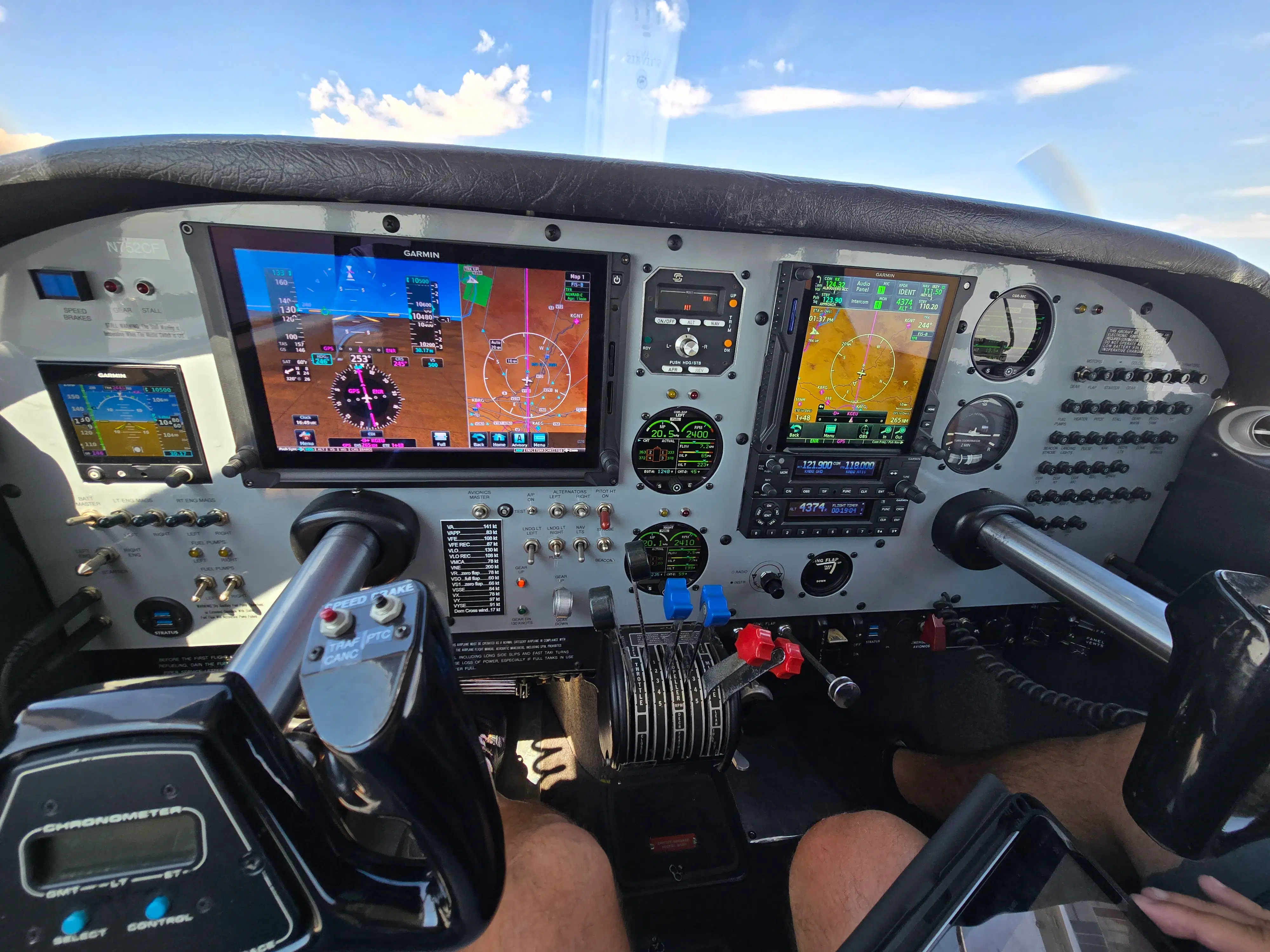
If the aircraft being used is a specialized trainer like our PA-30, ensure the student understands the specific weight and balance nuances and equipment lists for that airframe.
Professionalism as a Career Catalyst
In the aviation industry, your reputation is your currency. When you send a student to a checkride with perfect paperwork, a tabbed logbook, and a clean IACRA application, you are sending a clear message to the DPE: "I am a professional, and my student is prepared."
Designated Pilot Examiners often communicate with one another and with chief pilots at airlines and corporate flight departments. An instructor who consistently delivers well-prepared candidates is respected. Conversely, an instructor known for sloppy paperwork creates a hurdle for their students.
A delay in a checkride due to a paperwork error is not just a lost day; it can mean a missed class date at a regional airline or a delay in entering a multi engine flight training program. At Ace Pilot Academy, we believe that the administrative side of flying is just as critical as the stick-and-rudder skills.
Final Checklist for the Recommending CFI
Before you release your student for their practical test, run through this final "Survival Guide" checklist:
IACRA: Name matches ID, hours match logbook, application signed by both student and CFI.
AC 61-65H: All endorsements present and verbatim from the AC.
Knowledge Test: Original report present, "deficiency" training documented and endorsed.
Logbook: All aeronautical experience requirements met per the FAA regulations; pages totaled and tabbed.
Identification: Student has a current, non-expired government photo ID and their current pilot certificate.
Medical: Student has a valid medical certificate or BasicMed documentation.
Aircraft: All AROW documents present and maintenance logs verified for airworthiness.
By treating the paperwork audit with the same intensity as a short-field landing or an engine-out procedure, you ensure that your student has the best possible chance of success. Excellence in instruction is found in the details. Finish the job right, and let your students fly with the confidence that their foundation is solid.

Comments