
Does Your Trainer Really Matter? The Truth About Multi-Engine Time Building
- Jeff Gerencser
- May 1
- 4 min read

There is a common misconception in flight schools today that "multi-engine time is multi-engine time." The logic seems sound on the surface: if the logbook says you have 50 hours of multi-engine time, an airline recruiter will check the box and move on.
But there is a massive difference between a pilot who spent 50 hours babysitting an autopilot in a modern, ultra-stable trainer and a pilot who spent 25 hours wrestling with the nuances of a high-performance twin. When you sit in a simulator during a legacy airline interview, they aren't looking at your logbook anymore: they are looking at your hands. They want to see if you can actually fly a complex machine when things go south.
The truth is that the aircraft you choose for your multi-engine time building dictates the quality of pilot you become. Not all multi-engine hours are created equal, and if you aren’t careful, you might be paying for hours that leave you unprepared for the professional flight deck.
The Problem with "Easy" Trainers
Many modern flight schools prioritize trainers like the Piper Seminole because they are "benign." From an operator's perspective, this makes sense. The Seminole is stable, the Vmc (minimum controllable airspeed) is often equal to the flaps-up stall speed, and the airplane is notoriously difficult to get into trouble.
While that sounds great for passing a checkride, it can be a disservice to your long-term career. If your trainer doesn't demand precision, you won't develop precision. If the airplane flies itself, you aren't building the muscle memory required to handle a real engine-out scenario in a high-performance aircraft.
Airline pilot training is demanding. When you transition to a jet, you are expected to manage high speeds, complex systems, and immediate procedural responses. If your multi-engine foundation is built on an airplane that hides your mistakes, you are going to struggle when the training environment gets real.
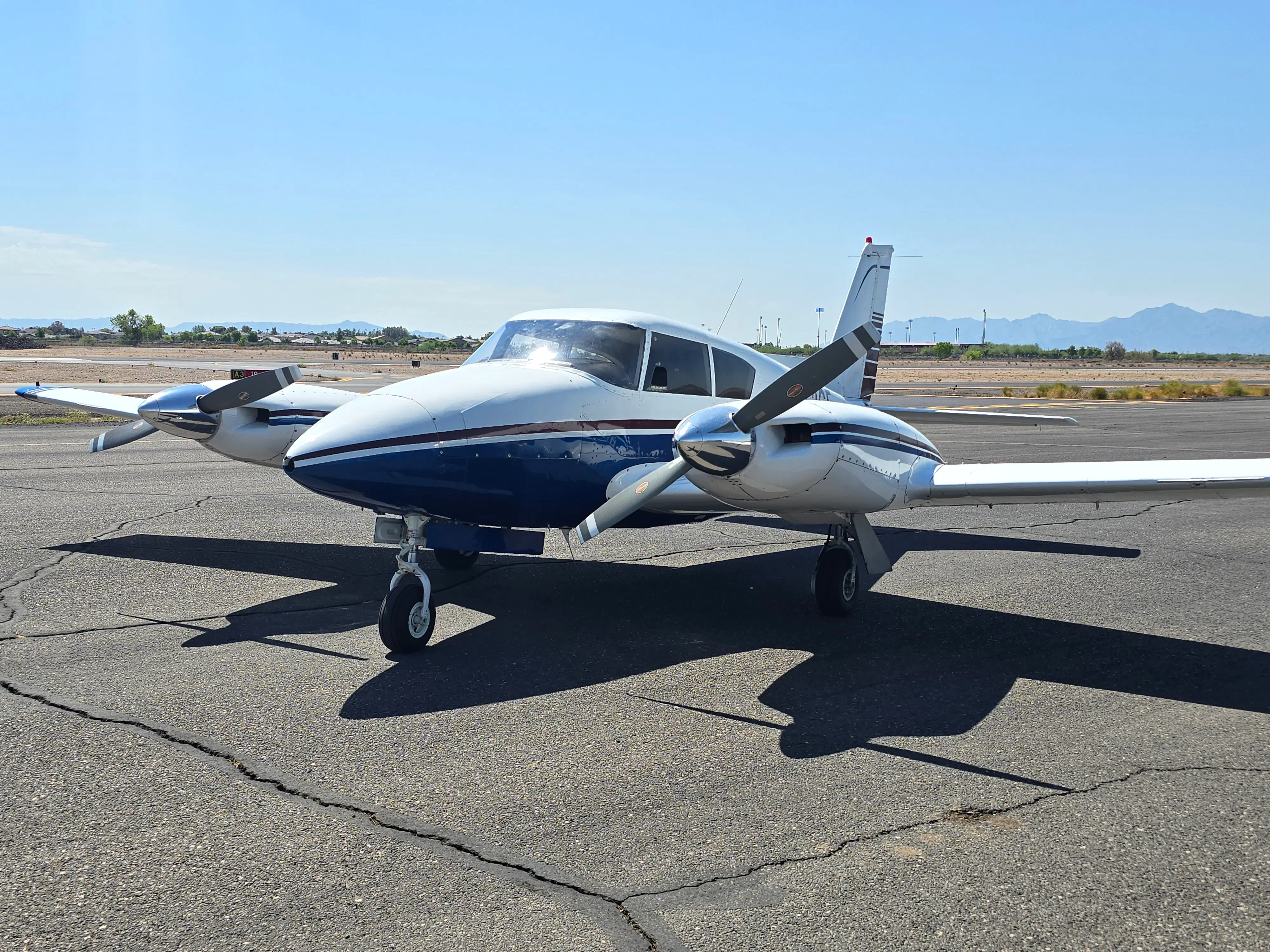
Why the Twin Comanche (PA-30) is the Gold Standard
If you want to build high-quality multi-engine time, the PA-30 Twin Comanche is widely considered the "pilot’s airplane." There is a reason professional pilots seek out the Twin Comanche for their ratings and time building.
First, the PA-30 is fast. It doesn't just mosey along at Cessna 172 speeds. It requires you to stay ahead of the airplane, managing power, cowl flaps, and trim with constant attention. It handles like a "real" airplane: responsive, slippery, and demanding of proper energy management.
Second, the PA-30 rewards technical proficiency. It isn't as "forgiving" as a Seminole in a way that allows for sloppiness. If you are lazy with your rudder coordination during a Vmc demo, the airplane will tell you immediately. This feedback loop is essential for building the instincts required for airline pilot training.
Manual Proficiency vs. Over-Automation
We are living in the era of the Glass Cockpit. Don’t get it wrong: the G1000 is an incredible tool. It provides unparalleled situational awareness and makes cross-country flying significantly safer. However, there is a "trap" in modern multi-engine training where students rely so heavily on the automation that their basic airmanship atrophies.
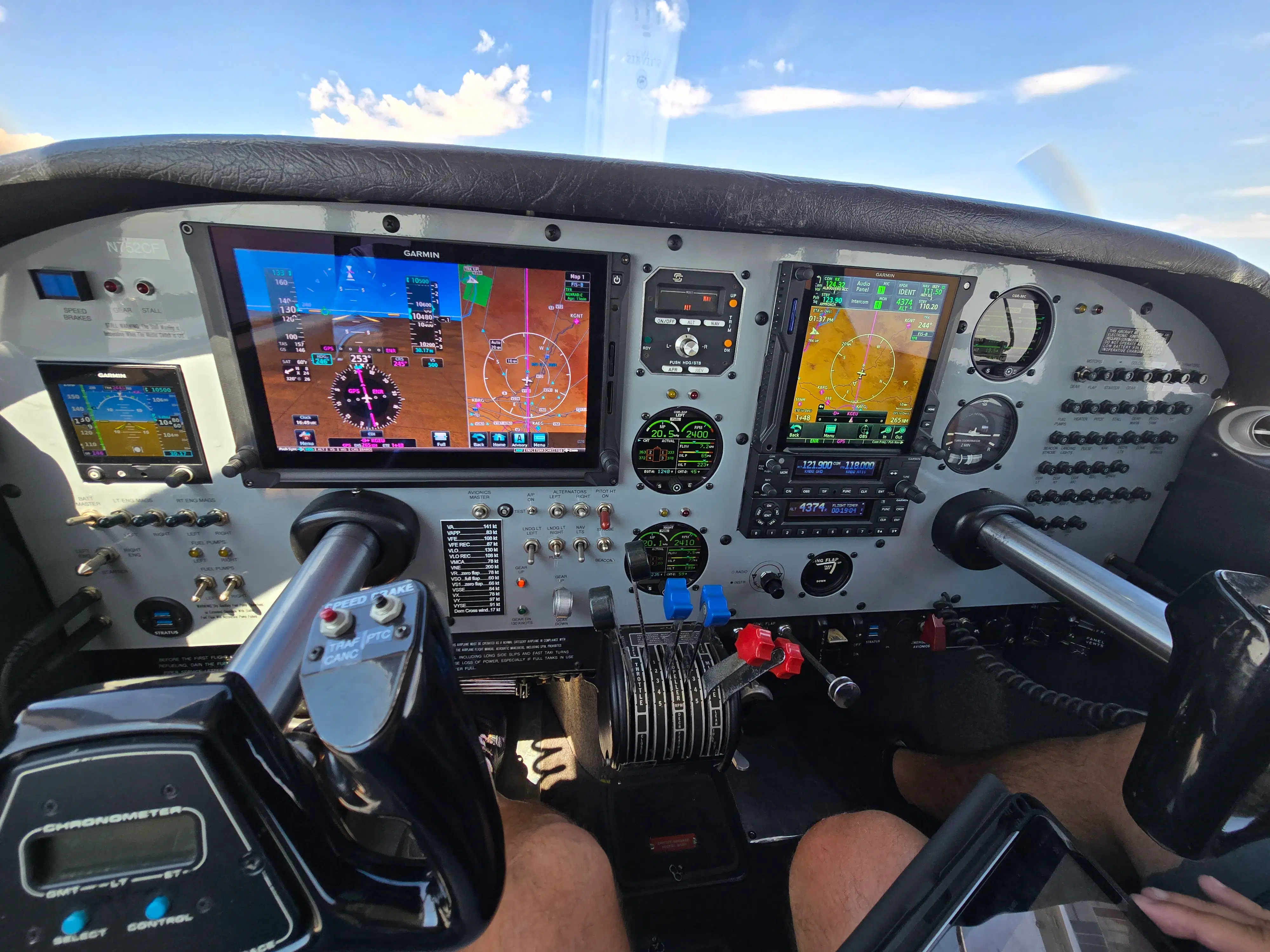
When you are building multi-engine time, you should be hand-flying the majority of your maneuvers. The airlines don't care if you can program a Flight Management System (FMS); they know they can teach you that in ground school. They care if you can maintain altitude and heading while dealing with a critical engine failure and a simulated fire.
The Twin Comanche provides a perfect balance. It can be equipped with modern avionics like the G1000 for IFR proficiency, but its underlying flight characteristics require you to be a pilot first and a computer programmer second.
The Efficiency of the PA-30
From a utilitarian standpoint, the PA-30 is one of the most efficient multi-engine aircraft ever built. When you are paying for multi engine time building, fuel burn matters. The Twin Comanche offers incredible performance (160+ knots) on a fraction of the fuel burned by larger twins.
This efficiency allows you to cover more ground, see more diverse weather, and fly into more challenging airports for the same budget. Instead of droning around the practice area for 50 hours, you can actually go somewhere. Real-world cross-country experience in a high-performance twin is infinitely more valuable than local pattern work.

Training to the Standards: ACS and Beyond
The FAA Airman Certification Standards (ACS) are the floor, not the ceiling. To be a professional pilot, you need to exceed these standards consistently. This starts with understanding the physics of what you are flying.
Whether it’s mastering propeller systems or understanding the impact of weight and balance on single-engine climb performance, the trainer you choose should facilitate this learning. The PA-30’s systems are complex enough to require study but logical enough to master, making it an ideal platform for those transitioning from single-engine aircraft.
What Recruiters Really See
When a recruiter looks at your logbook and sees "Twin Comanche," they see a pilot who chose a challenging, high-performance aircraft. They see someone who didn't take the "easy way" through a flight school's standardized, watered-down curriculum.
In a competitive hiring environment, these nuances matter. Having multi-engine time in an aircraft known for its performance and handling characteristics suggests a level of stick-and-rudder skill that "easy" trainers simply don't produce.
Moving Toward the Goal
If your goal is a career in the airlines, stop looking for the easiest way to get your ratings. Look for the way that makes you the most competent pilot. The PA-30 Twin Comanche offers a blend of speed, efficiency, and demanding handling that prepares you for the realities of professional aviation.
Don't just build hours. Build skills. The airplane you choose today will determine how you perform in the simulator tomorrow. If you are serious about your career, choose a trainer that challenges you to be better.
For those ready to move beyond the basics, focusing on advanced systems and aerodynamic forces is the next step in mastering multi-engine flight. Your career depends on the foundation you build right now. Make it a strong one.

Comments