
Are You Making These Common Multi-Engine Study Mistakes? (The New FAA Standards Explained)
- Jeff Gerencser
- Apr 9
- 5 min read

Moving from a single-engine aircraft to a twin is one of the most exciting milestones in a pilot's career. It represents more than just a power upgrade; it’s an entry into the world of professional aviation, complex systems, and a whole new philosophy of safety. However, the transition is where many pilots stumble.
With the FAA’s recent transition from the Practical Test Standards (PTS) to the Airman Certification Standards (ACS) for multi-engine ratings, the bar has been raised. It’s no longer enough to simply "muscle" the airplane through a maneuver. You have to demonstrate a deep understanding of risk management and the "why" behind every action.
If you’re preparing for your multi-engine checkride, you might be falling into some common traps. Let’s break down the mistakes we see most often and how you can align your training with the new FAA standards to ensure success.
The Shift to ACS: It’s Not Just a Name Change
For years, pilots studied the PTS, which focused heavily on the "how", the tolerances for altitude, heading, and airspeed. The new ACS incorporates those same standards but adds two critical layers: Knowledge and Risk Management.
In the old days, an examiner might ask you to perform a Vmc demo, and as long as you stayed within the numbers, you passed. Under the ACS, the examiner is looking to see if you recognize the signs of approaching a loss of directional control and if you understand the environmental factors that could make that Vmc speed higher than what’s published in the manual.
At Ace Pilot Academy, we’ve leaned into this shift. Our training isn't just about passing a test; it’s about making sure you’re a safe pilot when the "real world" happens at 2,000 feet on a dark night.
Mistake 1: Relying on the Wrong Gauges During Engine Failure
One of the most dangerous mistakes a multi-engine student can make is "gauge chasing" when an engine quits. When that sudden yaw hits you, your brain desperately wants to look at the instrument panel for a quick answer.
Many students reflexively look at:
Fuel Pressure: This can lead you astray if the pump is still running.
Manifold Pressure: If an engine fails, the manifold pressure might actually rise to ambient pressure, looking "normal" compared to the throttled engine.
Tachometer: A windmilling propeller will still show RPM, making it hard to distinguish from the good engine at a glance.
The Fix: Use the "Dead Foot, Dead Engine" rule. This is the gold standard for a reason. If you are pushing the right rudder to keep the nose straight, your left foot is doing nothing. Therefore, the left engine is the one that has failed. The ACS requires you to verify this by retarding the throttle of the suspected dead engine before you feather anything. Don't rush. Identify, verify, and then act.
Mistake 2: The "Memorization" Trap of Vmc
Vmc (Minimum Controllable Airspeed) is perhaps the most misunderstood concept in multi-engine flying. Students often memorize the definition and the "factors that affect Vmc" for the oral exam but fail to understand how they interact in the cockpit.
The mistake here is treating the "Red Line" on the airspeed indicator as a static number. In reality, Vmc is dynamic. Factors like weight, center of gravity, and bank angle can move that actual Vmc speed up or down. If you aren't training to recognize the physical cues of losing directional control, and instead only watching the needle, you’re setting yourself up for trouble.

Mistake 3: Poor Energy Management on Single-Engine Approaches
Flying an approach with an engine out is a high-workload environment. A common error is carrying way too much airspeed "just to be safe." While speed is life, too much speed on a single-engine approach leads to a long touchdown and a potential runway excursion. Conversely, getting too slow can put you below Vmc at a low altitude, a recipe for disaster.
The ACS emphasizes "Stabilized Approach" criteria. If you aren't on speed, on glide path, and configured by the missed approach point (or earlier), the safest move is a go-around. But wait, a single-engine go-around is one of the most dangerous maneuvers in a light twin.
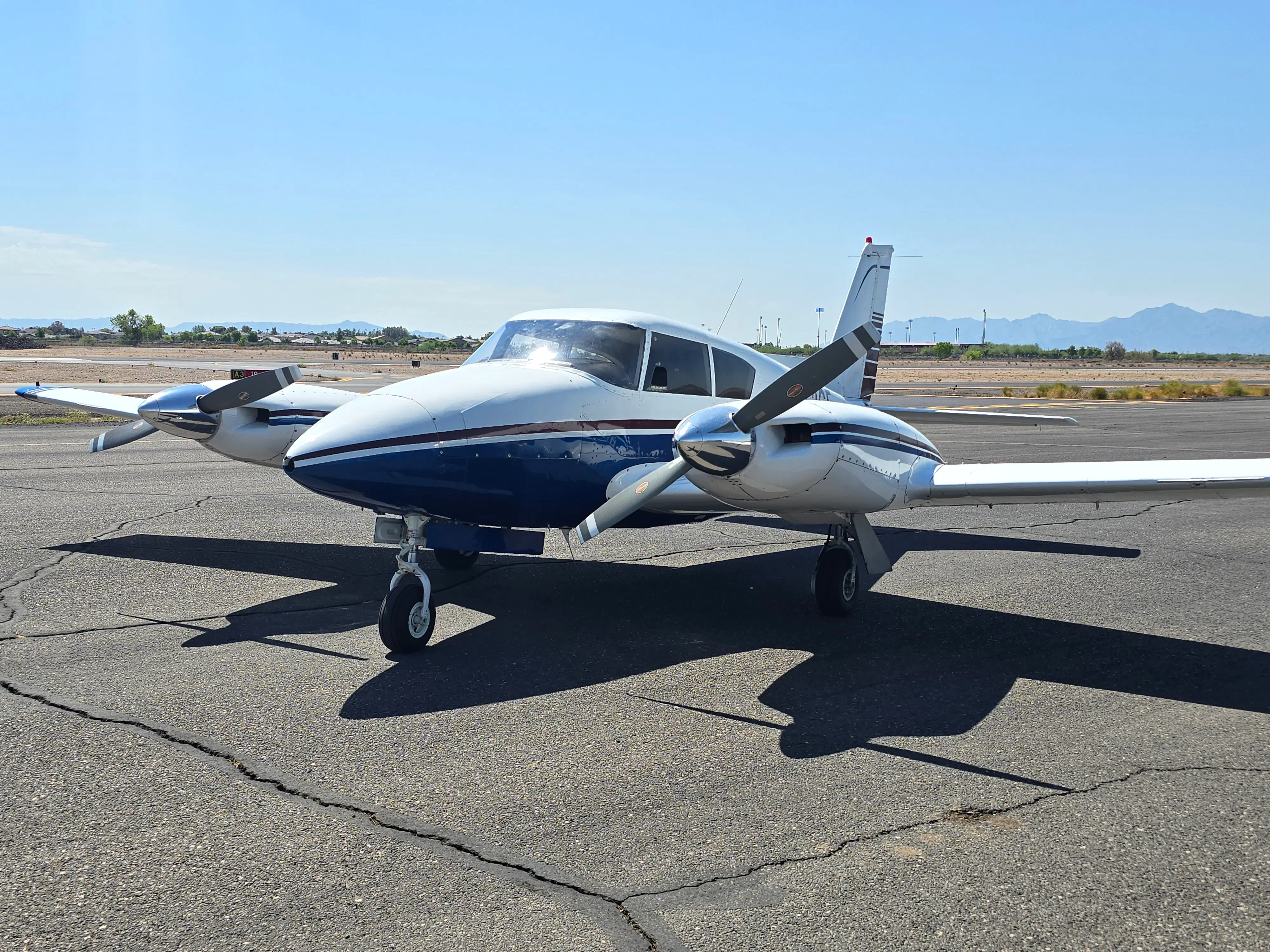
The Fix: At Ace Pilot Academy, we teach the "Commitment Point." There is a point on every single-engine approach where you are committed to the landing because the aircraft simply may not have the performance to climb away on one engine, especially in high-density altitude conditions. Understanding the performance of our PA-30 Twin Comanche is key to making these life-saving decisions.
Mistake 4: Neglecting Risk Management (The "Third Column")
The ACS includes a "Risk Management" section for every task. Many students ignore this during their study, focusing only on the "Skill" section. During your checkride, the examiner will present scenarios to test your judgment.
For example, if you have an engine failure shortly after takeoff, the "Skill" is feathered and climbing. The "Risk Management" is deciding whether to continue the flight to a distant airport with better maintenance or land immediately at the closest suitable field.
If you haven't practiced these "what if" scenarios, you'll likely freeze during the oral or the flight. We use animated courses to visualize these scenarios, showing you exactly how these risks play out in 3D space, which is much more effective than reading a flat diagram in a book.
The Ace Pilot Academy Difference: Training in the PA-30
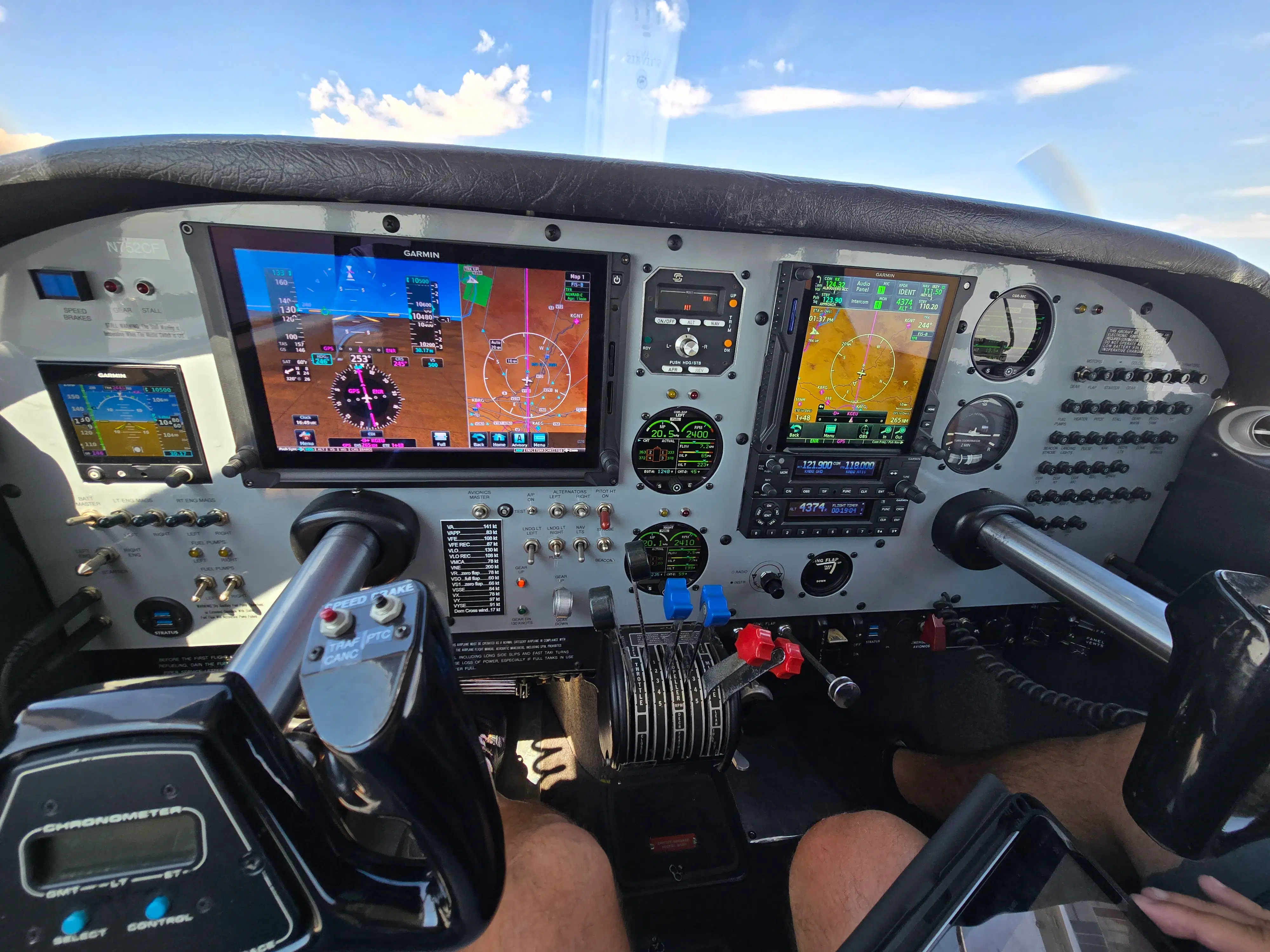
Why do we use the Piper PA-30 Twin Comanche? Aside from being a classic, it’s an incredible teacher. Unlike some modern "trainers" that are so automated they fly themselves, the PA-30 requires you to actually fly the airplane. It provides excellent feedback, especially during engine-out maneuvers.
When you combine the PA-30 with our G1000 glass cockpit, you get the best of both worlds:
Fundamental Stick-and-Rudder Skills: You learn the physics of multi-engine flight.
Modern Systems Management: You learn to manage the same technology you’ll see at the airlines.
Our training doesn't just stop at the cockpit. We know that multi-engine aerodynamics can be "invisible" and hard to grasp. That’s why we developed our Multi-Engine Training Series. We use high-quality animations to show you exactly how the air flows over the tail during asymmetric thrust or why the "critical engine" is, well, critical.

How to Ace Your Multi-Engine Checkride
To wrap this up, if you want to avoid these common mistakes and fly like a pro, follow this game plan:
Read the ACS, Not Just the Handbook: Understand the Knowledge, Risk Management, and Skill requirements for every maneuver.
Visualize the Procedures: Use our animated courses to "see" the aerodynamics before you ever step into the cockpit. It saves you time and money.
Practice the Flow: Don't just memorize checklists. Understand the system flow. When you move a lever, know what is happening behind the firewall.
Train for the Worst-Case Scenario: Don't just practice engine failures at 3,000 feet. Discuss the "what-ifs" of a failure at 200 feet AGL.
Multi-engine flying is a rewarding challenge. It opens doors to corporate flying, the airlines, and faster cross-country travel. By avoiding these common study mistakes and embracing the new FAA standards, you aren't just passing a checkride: you’re becoming a master of the skies.
Ready to start your multi-engine journey? Check out our Multi-Engine Training Series and see how our animated courses can simplify the complex.
You’ve got the drive; we’ve got the tools. Let’s get you into the cockpit of the Twin Comanche and get that rating.
Blue skies and tailwinds!

Comments