
7 Mistakes You’re Making with Your Multi-Engine Add-On (and How to Fix Them)

Transitioning from a single-engine aircraft to a twin like the Piper PA-30 Twin Comanche is more than just adding a second throttle lever. It is a fundamental shift in how you manage energy, aerodynamics, and emergency procedures. For many career-focused aviators, the Multi-Engine Add-On is a high-speed sprint, but moving too fast often leads to critical errors that can stall your progress or, worse, compromise safety.
As part of our Multi-Engine Mastery Week, we are diving into the most common pitfalls pilots face during their multi-engine training. If you missed our earlier sessions on Multi-Engine V-Speeds or our guide to Accelerated Flight Training, now is the time to catch up.
Here are the seven mistakes you’re likely making with your multi-engine add-on and the professional fixes to keep your training on track.
1. Misidentifying the Failed Engine (The "Verify" Trap)
The most dangerous moment in a multi-engine aircraft occurs immediately after an engine failure. The adrenaline surge often leads pilots to act before they think. The most common error is misidentifying which engine has quit and, consequently, feathering the wrong propeller.
The Fix: Stick to the FAA-approved mantra: Identify, Verify, Rectify.
Identify: Use the "Dead Foot, Dead Engine" rule. If your left foot is idle because the aircraft is yawing left, the left engine is likely the culprit.
Verify: This is where most students fail. You must cautiously retard the throttle of the suspected dead engine to idle. If there is no change in the aircraft's performance or sound, you have confirmed the correct engine.
Rectify: Only after verification should you move toward the Multi-Engine Propeller Systems controls to feather the engine.
2. Neglecting Zero Side Slip
Many pilots believe that keeping the "ball in the center" is the goal during single-engine flight. In a multi-engine aircraft, centering the ball creates a massive amount of unnecessary drag. If you are flying with the ball centered during an engine-out scenario, you are in a side slip, which significantly degrades your climb performance.
The Fix: Master the Zero Side Slip technique. This requires a small amount of bank (usually 2 to 5 degrees) toward the operative engine and a slight displacement of the ball toward the operative engine. This aligns the fuselage with the relative wind, minimizing drag and maximizing your single-engine service ceiling.
3. Rushing the "Clean Up" Flow
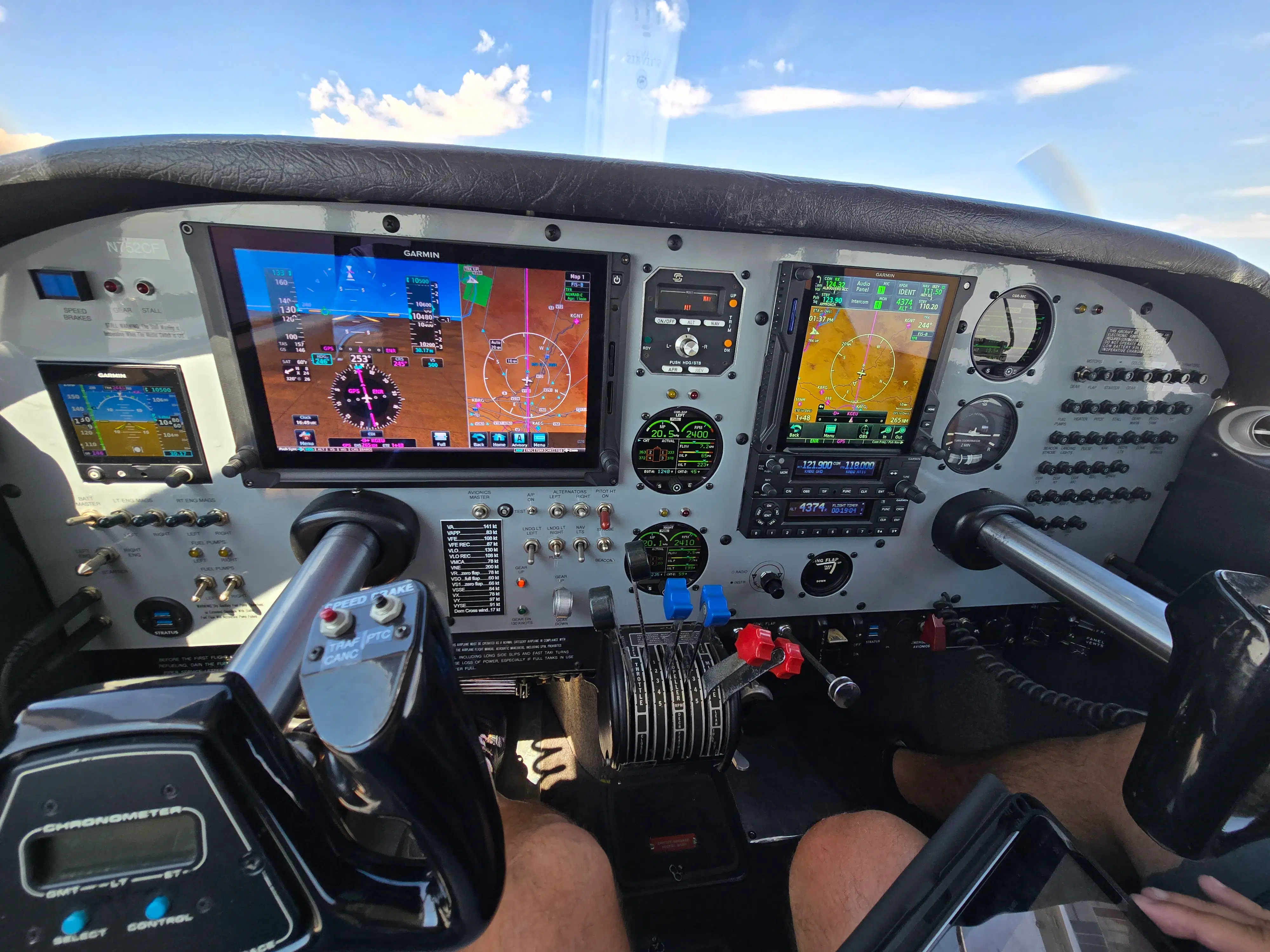
In an emergency, speed is essential, but rushing the flow leads to skipped items. Pilots often forget to retract the landing gear or flaps, which can be the difference between a positive rate of climb and a descent into the trees. In a PA-30, the drag penalty for extended gear is immense.
The Fix: Train your muscle memory using a standardized flow, then back it up with the checklist. Ensure your flow includes:
Flaps: Up.
Gear: Up (after confirming positive rate).
Identify/Verify: (as discussed above).
Feather: Propeller to the feather position.
For a deeper look at how gear affects your performance, review our course on Forces Acting on an Aircraft.
4. Misunderstanding the Critical Engine
Every multi-engine student learns the acronym "P.A.S.T." (P-Factor, Accelerated Slipstream, Spiraling Slipstream, and Torque). However, many fail to apply these concepts to real-world control inputs. They treat the loss of a right engine the same as the loss of a left engine, which can lead to a loss of control if the aircraft is near Vmc (Minimum Controllable Airspeed).
The Fix: In conventional twins like the Twin Comanche, the left engine is the Critical Engine. Losing it results in more severe yaw and roll tendencies. You must be mentally prepared for the increased rudder pressure required when the left engine fails compared to the right.

5. Poor V-Speed Discipline
V-speeds in a multi-engine aircraft aren't just suggestions; they are survival numbers.
Vyse (Blue Line): Best rate of climb single-engine.
Vmc (Red Line): Minimum controllable airspeed.
A common mistake is allowing the airspeed to decay below Vyse while trying to climb on one engine. If you drop below Vyse toward Vmc, you are entering a "dead man's zone" where you have neither performance nor control.
The Fix: Pitch for the Blue Line and stay there. If the aircraft cannot maintain altitude at Vyse, your only option is to pitch down to maintain control and look for a place to land. Never sacrifice airspeed for altitude in a single-engine scenario. For more on this, check out the Multi-Engine Training Series.
6. Fuel System and Heater Mismanagement
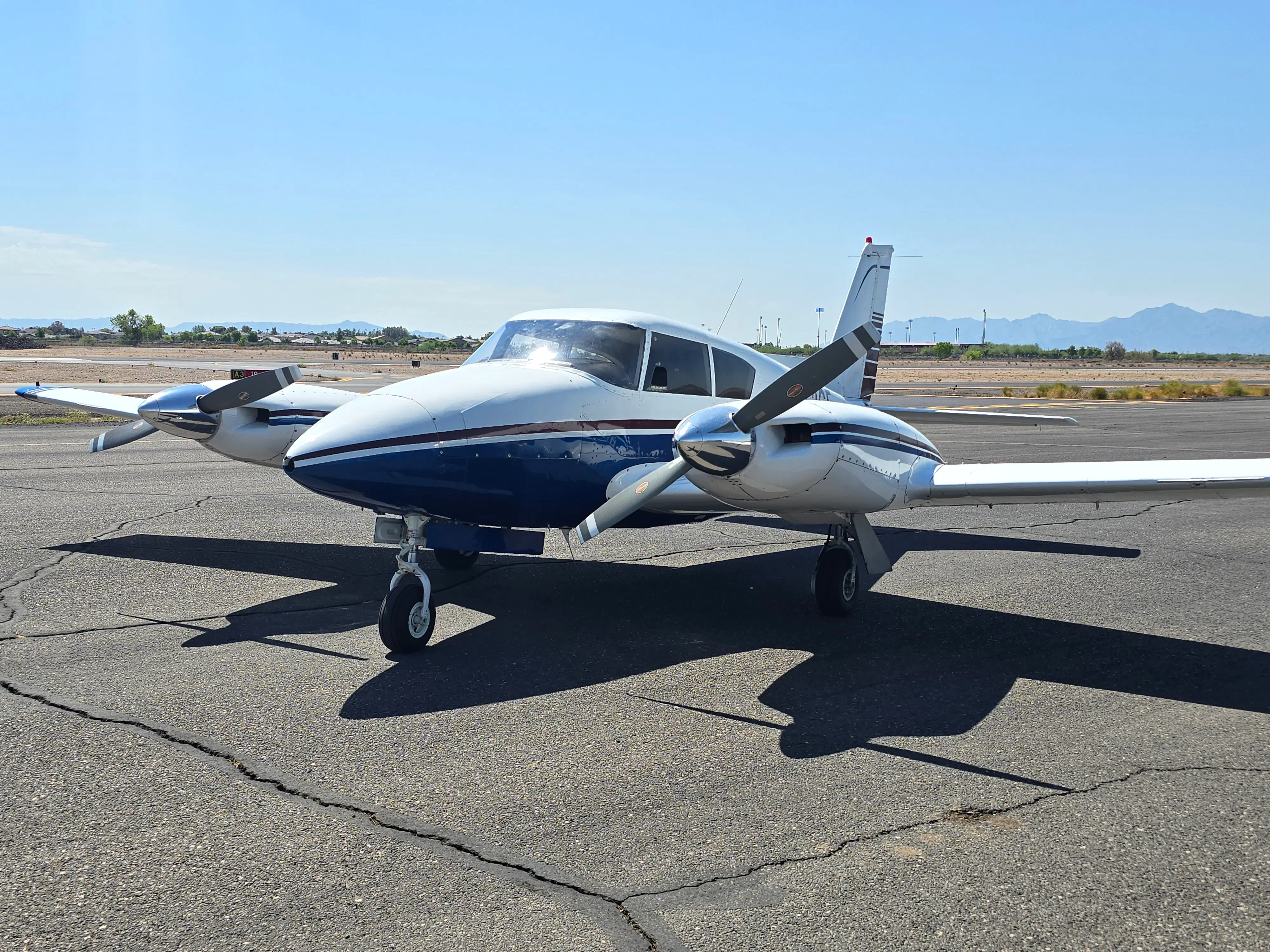
The Piper PA-30 fuel system is robust but requires specific knowledge of crossfeed procedures. During long time-building flights, pilots often mismanage fuel crossfeed, leading to lateral imbalances or fuel starvation. Additionally, the Multi-Engine Combustion Heater in many twins is often neglected in training but can be a source of electrical load and fuel drain issues.
The Fix: Study the Multi-Engine Fuel X-Feed Systems guide. Ensure you understand when and how to crossfeed. Remember the golden rule: Crossfeed is used to use fuel from the opposite tank to feed the operating engine, not to transfer fuel between tanks.
7. Over-Reliance on Automation
With modern avionics like the G1000, it is easy to become a "magenta line hunter." Many pilots let the autopilot handle the heavy lifting during their add-on training, only to find themselves overwhelmed when the instructor pulls an engine and disables the flight director.
The Fix: Hand-fly your maneuvers. The Multi-Engine Add-On checkride is a test of your stick-and-rudder skills under pressure. You need to feel the yaw in your legs and the roll in your fingertips. Use the G1000 for situational awareness, but do not let it replace your primary flight skills.

First Things First: The Checkride Mindset
As you prepare for your Commercial Multi-Engine Add-On Checkride, remember that the DPE (Designated Pilot Examiner) isn't looking for a perfect pilot; they are looking for a safe, competent PIC (Pilot in Command).
Mistakes happen, especially during the high-workload environment of an engine failure. The difference between a "pass" and a "re-check" is how you catch and correct those mistakes. If you realize you’ve identified the wrong engine, stop, reset, and verbalize the correction before you pull the feathering mottle.
Accelerate Your Career
The Multi-Engine rating is often the final "learning" rating before you head into the world of professional aviation. Whether you are aiming for the airlines or Part 135 operations, the habits you build in the PA-30 today will stay with you in the cockpit of a King Air or a Boeing 737.
Are you ready to master the twin? Explore our full range of Aviation Training Courses or book your accelerated multi-engine block at one of our Ace Pilot Academy locations.
Keep the blue side up and the ball (slightly) off-center.
This post is part of Multi-Engine Mastery Week at Ace Pilot Academy. Join us tomorrow as we wrap up the series with a deep dive into Prepping for your Commercial Multi-Engine Add-On Checkride.

Comments