
7 Mistakes You’re Making with Your Commercial Multi-Engine Add-On Checkride (and How to Fix Them)

The Commercial Multi-Engine Add-On is often called "the most fun checkride you’ll ever take." It’s short, it’s fast-paced, and for many pilots, it’s the gateway to the airlines. But don’t let the "add-on" label fool you. Because the syllabus is condensed: often completed in just a few days of accelerated flight training: it is incredibly easy to overlook the technical nuances that Examiners (DPEs) look for.
If you’re wrapping up our Multi-Engine Mastery Week, you’ve already covered V-speeds and PA-30 systems. Today, we’re looking at the finish line.
Here are the seven most common mistakes pilots make during their Multi-Engine Add-On checkride and the professional fixes to ensure you walk away with a temporary certificate.
1. Rushing the Vmc Demonstration
The Vmc demonstration is the "stalling" equivalent of multi-engine flying, but with much higher stakes. The most common mistake is rushing the entry. Pilots often yank the throttle back on the simulated failed engine and immediately start pitching up. This leads to a rapid loss of airspeed and a "snap" loss of control that is difficult to manage smoothly.
The Fix: Professionalism is found in the setup. Establish your heading and altitude, then slowly reduce power on the simulated failed engine. Once the aircraft is stabilized in a zero-thrust configuration, gradually increase power on the operating engine while increasing pitch to bleed off airspeed at approximately one knot per second. Slow, deliberate movements allow you to feel the rudder reaching its limit before the aircraft actually yaws uncontrollably.
2. "Lazy Foot" Syndrome
In a single-engine plane, the rudder is for coordination. In a twin with an engine out, the rudder is for survival. DPEs frequently see "lazy foot" syndrome, where the pilot applies just enough rudder to keep the nose somewhat straight but fails to provide the aggressive input needed to counter the asymmetrical thrust.
The Fix: You need to be proactive, not reactive. When an engine "fails," your first movement should be a decisive press of the rudder to stop the yaw. If you find yourself constantly correcting, you haven't applied enough initial pressure. Remember: Dead foot, dead engine. If you aren't feeling the workout in your leg, you aren't flying the plane: the plane is flying you. Understanding the forces acting on an aircraft during asymmetrical thrust is key to mastering this.

- A pilot's feet on the rudder pedals of a Twin Comanche, showing aggressive input during a simulated engine failure.]
3. Misunderstanding the 5-Degree Bank Myth
Many students hear "5 degrees of bank" and treat it as a hard rule for every phase of flight. During an engine failure, banking toward the operating engine is critical for performance, but banking exactly 5 degrees isn't always the answer. Excess bank can actually increase drag or lead to a descending turn if not balanced with rudder.
The Fix: Aim for Zero Side Slip. This is the aerodynamic "sweet spot" where the fuselage is aligned with the relative wind. This usually involves a 2 to 3-degree bank toward the operative engine and the ball "half-out" of the race toward the good engine. Use your flight instruments and the horizon to find the attitude that yields the best climb (or slowest descent) rate. Don't just chase a number on the attitude indicator; fly the wing.
4. Altitude Fixation During Vmc Recovery
When the aircraft begins to yaw and roll at Vmc, the instinct for many commercial candidates is to try to "hold altitude." They keep the nose up, which further decays airspeed and deepens the loss of control. In a Vmc demo, altitude is secondary to directional control.
The Fix: The moment you recognize the loss of directional control (the "pop" of the nose), you must simultaneously reduce power on the operating engine and pitch down. Reducing power stops the asymmetrical yawing force, and pitching down regains the airflow over the rudder. You will lose altitude: that is expected and required by the ACS. Only once you have regained directional control and airspeed should you smoothly bring the power back up and transition to a Vyse (Blue Line) climb.
5. Improper Gear and Checklist Management
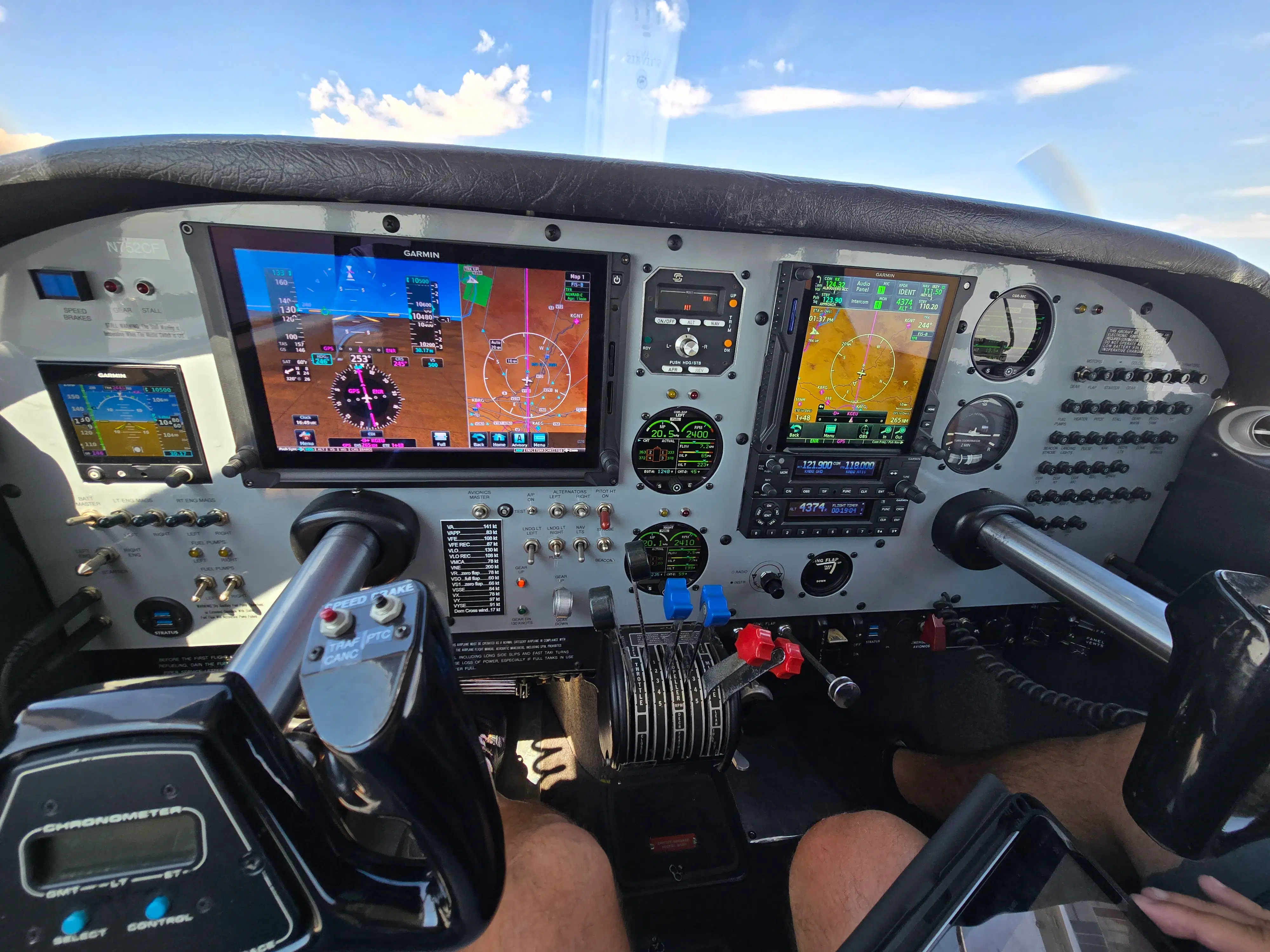
In the Twin Comanche or any complex twin, the landing gear is a major drag producer. A common checkride failure occurs when a pilot handles the engine failure perfectly but forgets to retract the gear, or worse, forgets to verify the gear is down during the single-engine approach.
The Fix: Use a standardized flow followed by a checklist. In a twin, your "Initial Actions" should be a mantra: Mix, Prop, Throttle, Flaps Up, Gear Up, Identify, Verify, Feather. After the flow is complete and the airplane is stable, pull the printed checklist to "Clean Up" the cockpit. Never rely on memory for the fuel cross-feed systems or securing the failed engine.
6. Ignoring Single-Engine Performance & Limitations
Pilots often treat the "Blue Line" (Vyse) as a magical speed that guarantees a climb. On a hot day or at high density altitudes, a light twin might not climb at all on one engine. A major mistake is trying to force the airplane to climb when it’s at its service ceiling.
The Fix: Know your numbers before you take off. Check the performance and limitations charts for the current density altitude. If the plane won't climb, your goal shifts to a "drift down" or maintaining a level altitude while looking for a place to land. Attempting to "pull" the plane into a climb will only result in a stall or Vmc roll.
7. Improper Propeller Handling and Feathering Logic
The propeller system on a multi-engine aircraft is significantly different from a constant-speed single. Many students forget about the anti-feathering pins (start locks) or fail to understand how the governor uses nitrogen pressure or springs to move the blades.
The Fix: Study the multi-engine propeller systems until you can draw the oil flow on a napkin. On the checkride, remember that most trainers will not feather if the RPM drops below a certain point (usually around 800-950 RPM) due to those start locks. If you’re simulating a feather, do it while you still have enough RPM to allow the pins to stay retracted.
Bonus: The "Mental Gear" Shift
The Commercial Multi-Engine Add-On is as much a mental test as it is a physical one. You are moving from a single-engine mindset to a "systems management" mindset. You have to manage cowl flaps, combustion heaters, and potentially anti-ice systems.
How to Prepare for Success
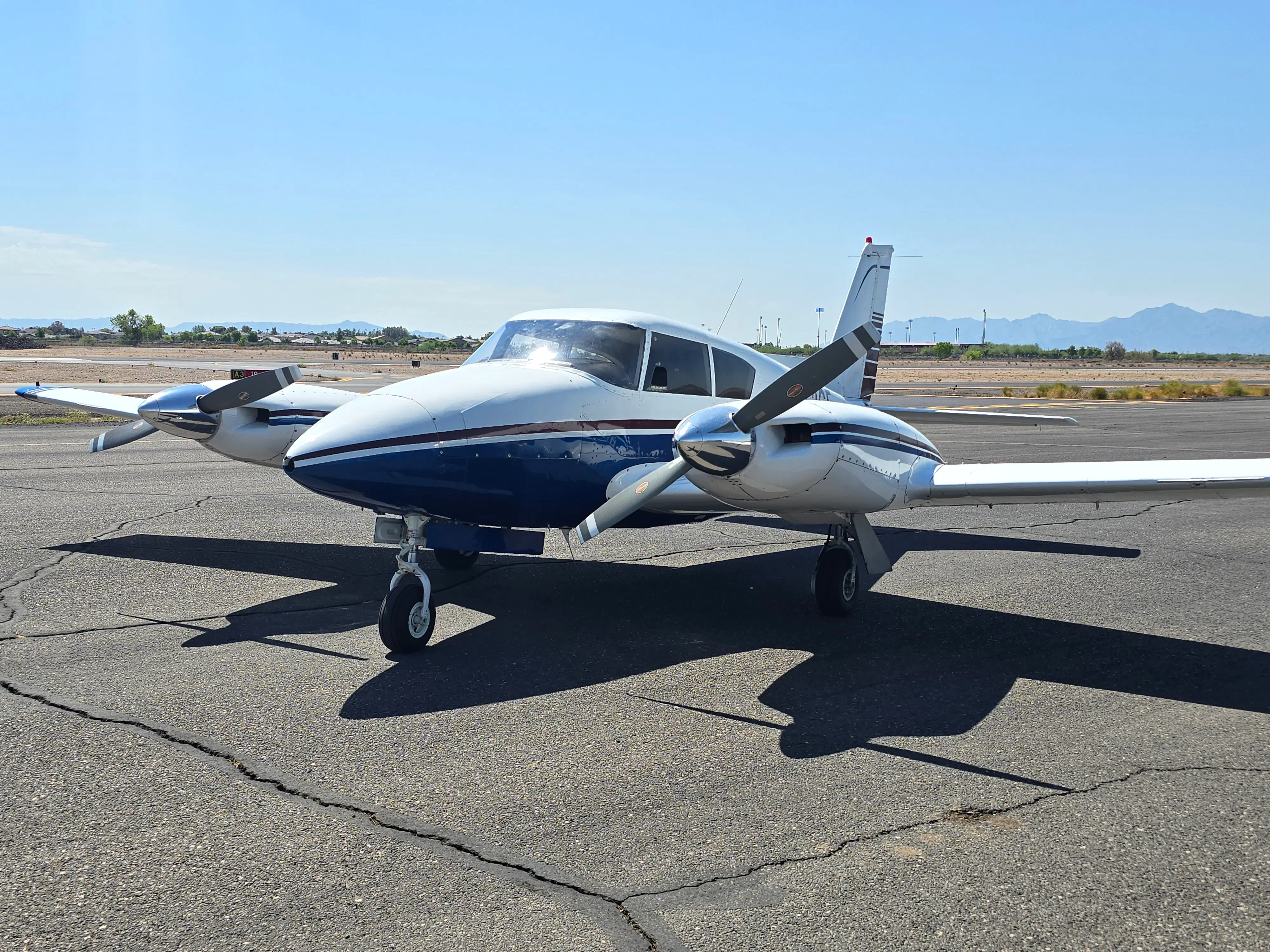
The best way to fix these mistakes is through repetition and professional guidance. At Ace Pilot Academy, we specialize in high-intensity, career-focused training. Whether you are looking to master the PA-30 Twin Comanche or simply need to build the multi-engine time required for your ATP, our instructors focus on the "why" behind the maneuvers.
Don't go into your checkride hoping the DPE doesn't notice a "lazy foot." Go in with the confidence that comes from knowing exactly how your aircraft will behave in any configuration.
Ready to get that multi-engine rating? Check out our full Multi-Engine Training Series and let’s get to work.

Comments