
7 Mistakes You’re Making with Multi-Engine Time Building (and How to Fix Them)

For many aviators, multi-engine time building is the final bridge between being a "student" and becoming a professional. It is the phase where you accumulate the hours required for the ATP certificate or a competitive regional airline application. However, there is a massive difference between logging 100 hours of multi-engine time and gaining 100 hours of multi-engine experience.
At Ace Pilot Academy, we see pilots fall into the "time-building trap" every day: focusing purely on the quantity of hours while letting their stick-and-rudder skills and systems knowledge atrophy. If you want to be ready for an airline sim evaluation, you need to treat every hour like a checkride.
Here are the seven most common mistakes pilots make during multi-engine time building and how to fix them.
1. Logging vs. Learning: The "Auto-Pilot" Mentality
The biggest mistake is treating time building as a passive activity. Many pilots fly from Point A to Point B on a clear day, engage the autopilot, and scroll through their phones. While the logbook entry looks the same, the skill level does not.
The Fix: The Deliberate Practice Method Don’t just fly. Every leg should have a training objective. If you are flying a 2-hour cross-country, dedicate 20 minutes to hand-flying at a specific altitude (+/- 20 feet) or practicing steep turns at your cruise altitude.
Review your Multi-Engine V-Speeds during the climb.
Practice identifying landmarks using only pilotage to keep your situational awareness sharp.
2. Inconsistent Scheduling and "Cramming"
According to industry data and flight training standards, taking lessons too infrequently leads to rapid regression. If you fly five hours one week and then nothing for a month, you spend the first two hours of your next flight just trying to get back to where you were. On the flip side, "cramming" 40 hours into four days often leads to burnout and poor long-term retention.
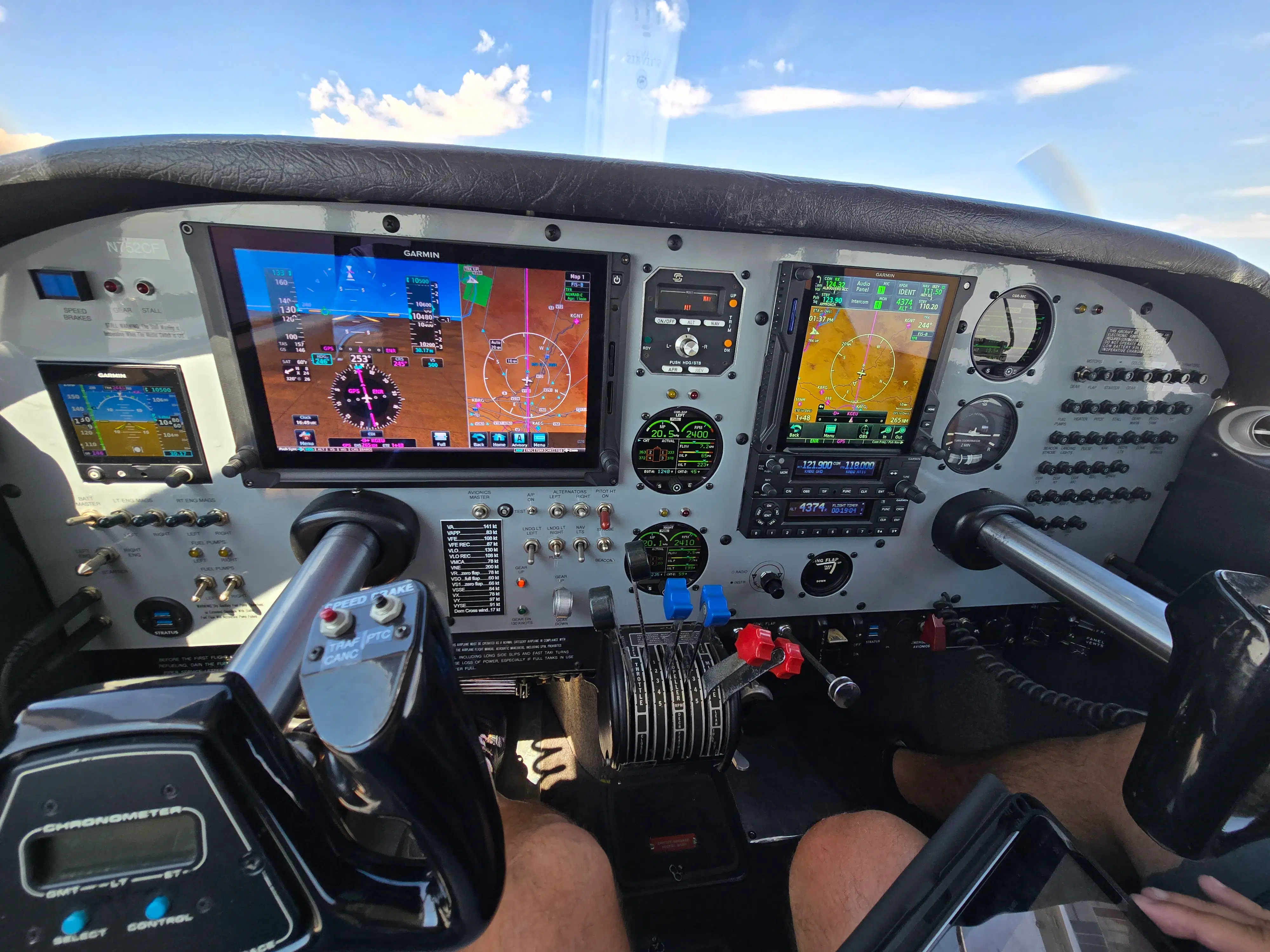
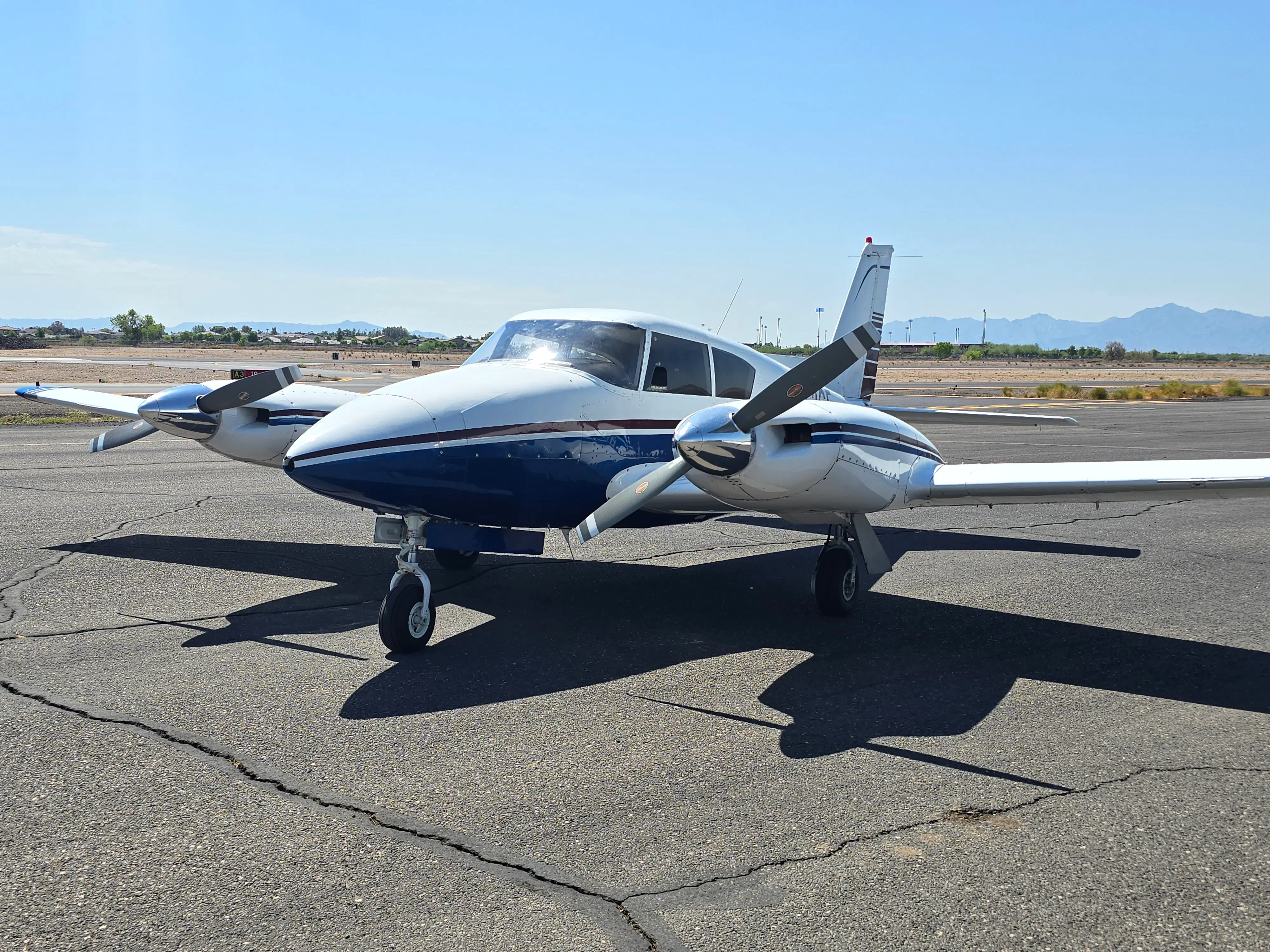
The Fix: The Consistency Sweet Spot Aim for a schedule of 2 to 3 sessions per week. This provides enough "soak time" for the information to settle while maintaining the muscle memory required for complex aircraft like our Piper PA-30 Twin Comanche. Consistent exposure is what builds the "feel" for the aircraft.
3. Ignoring the Airman Certification Standards (ACS)
Just because you already have your Multi-Engine Rating doesn’t mean you should stop flying to commercial standards. Many pilots allow their tolerances to widen during time building. They start accepting +/- 100 feet on altitude or +/- 10 knots on airspeed.
The Fix: Hold Yourself to Professional Standards Every time you fly, grade yourself against the Commercial Pilot ACS. If you are practicing an approach, check if you stayed within the required glideslope and localizer tolerances. If you’re practicing Zero Side Slip, ensure you are perfectly coordinated. If you don't hold yourself accountable now, the airline examiner certainly will later.
4. Surface-Level Systems Knowledge
You might know how to fly the plane, but do you know how the plane works? Time building is the perfect opportunity to master the technical nuances of multi-engine aircraft. Many pilots couldn't explain the intricacies of their Multi-Engine Propeller Systems or how the Fuel X-Feed Systems actually route fuel between tanks.
The Fix: Systems Deep-Dives Use your time on the ground (and during stable cruise) to mentally walk through aircraft systems.
Could you handle a heater overheat? Review the Multi-Engine Combustion Heater procedures.
Do you know the limitations of your engines? Study Critical Density Altitude and how it affects your performance.
Understand the Turbo Charger Systems if your aircraft is equipped with them.

5. Avoiding "The Scary Stuff" (Simulated OEI)
It is human nature to avoid what makes us uncomfortable. Many pilots building time avoid practicing One Engine Inoperative (OEI) maneuvers because they are demanding. However, the most critical time in a multi-engine aircraft is when an engine fails.
The Fix: Safe, Supervised OEI Practice While you should never shut down an engine in flight without an instructor, you can certainly practice the drills.
Practice the "Identify, Verify, Feather" flow until it is second nature.
Understand the relationship between ME Vmc and your control authority.
Always be aware of your Multi-Engine Service Ceiling on a single engine. If you are flying over mountainous terrain, knowing if you can maintain altitude on one engine isn't just academic: it's a survival skill.
6. Poor Cockpit Resource Management (CRM)
When flying with a safety pilot to split costs, many aviators treat the flight like a social outing. They lose focus on the "Pilot Flying" (PF) and "Pilot Monitoring" (PM) roles. This leads to missed radio calls, deviations in altitude, and poor checklist discipline.
The Fix: Treat the Safety Pilot like a First Officer Even if you are just building time in a light twin, use professional CRM.
Define roles before engine start: Who handles the radios? Who handles the checklists?
Use standard callouts for airspeeds and altitudes.
Brief every takeoff and approach as if you were in a Part 121 environment.
Ensure you understand the Forces Acting on an Aircraft during asymmetric thrust and brief your partner on the recovery plan.
7. Neglecting Performance and Limitations
A common mistake is failing to calculate performance for every flight. Pilots get "comfortable" with a specific runway or density altitude and stop checking the charts. This is how accidents happen, especially in multi-engine aircraft where weight and balance significantly impact OEI climb gradients.
The Fix: Calculate Every Flight Before every takeoff, know your numbers.
Check your Weight and Balance to ensure the CG is within limits for the current fuel load.
Understand how Ground Effect might give you a false sense of security on a short-field takeoff.

Summary Table: Time Building Mistakes & Solutions
Mistake | Correction | Professional Benefit |
Passive Flying | Deliberate Objective-Based Legs | Sharper Stick-and-Rudder Skills |
Irregular Schedule | 2-3 Flights Per Week | Better Muscle Memory Retention |
Ignoring ACS | Strict Adherence to Standards | Ready for Airline Evaluations |
Weak System Knowledge | Study Systems During Cruise | Ability to Troubleshoot Emergencies |
Avoiding OEI Drills | Regular Flow and Vmc Practice | Increased Safety Margin |
Social CRM | Defined PF/PM Roles | Transition-Ready for Crew Ops |
Performance Neglect | Mandatory Chart Calculations | Safe Operation in All Conditions |
Final Thoughts for the Career-Focused Pilot
Building multi-engine time is an investment in your future. Every hour spent in the cockpit is an opportunity to refine your craft. Whether you are mastering the PA-30 Twin Comanche or preparing for your Commercial Multi-Engine Add-On, remember that the quality of your logbook matters just as much as the quantity.
Stop "building time" and start "building mastery." Your future self: and your future employer: will thank you for it.
Looking for a structured way to build your multi-engine hours? Check out our Multi-Engine Training Series and get the most out of every flight hour.

Comments